

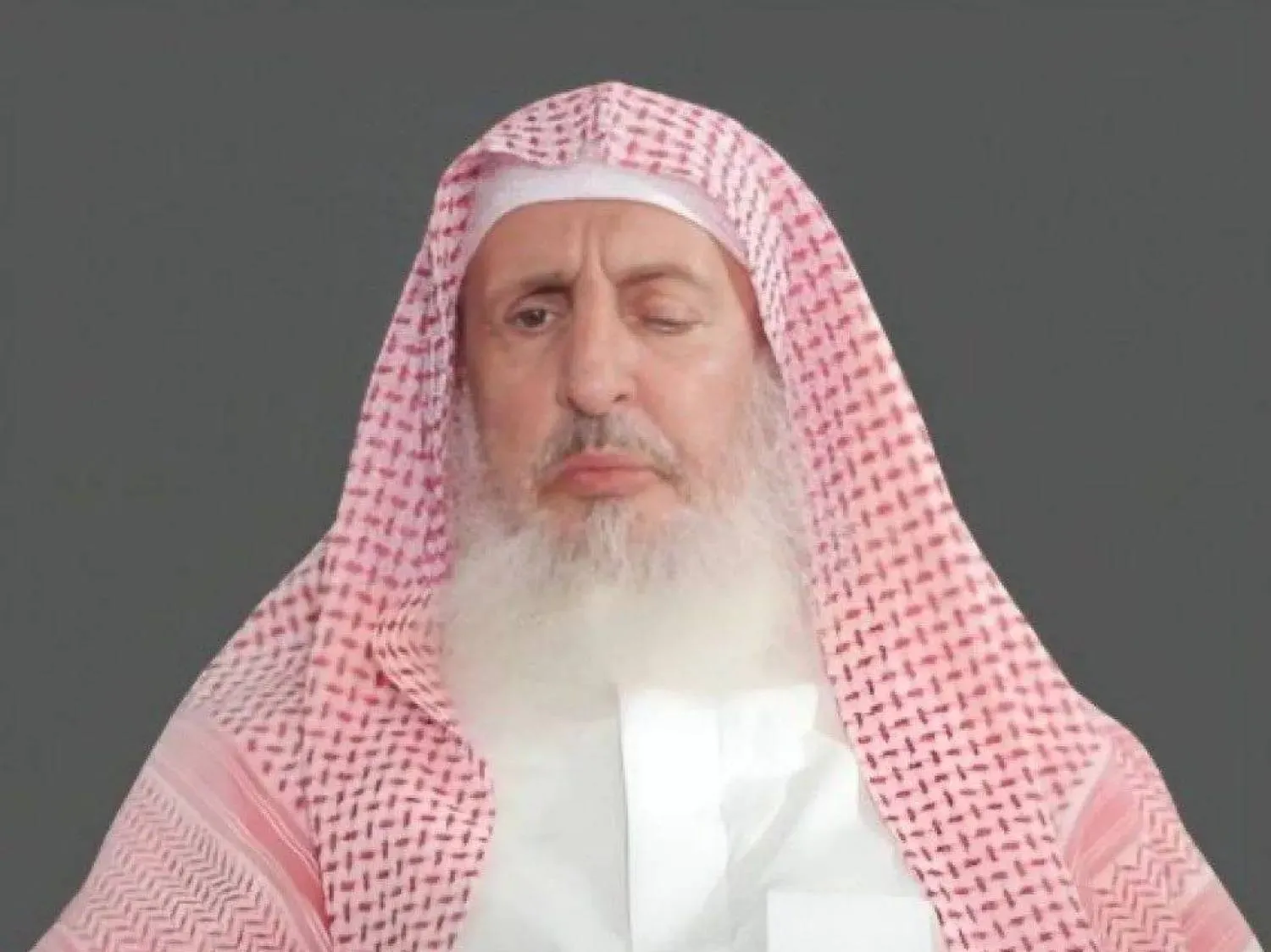

Saudi Grand Mufti Abdulaziz Al Al-Sheikh, Third in Kingdom’s History, Passes Away

Grand Mufti of Saudi Arabia Sheikh Abdulaziz bin Abdullah bin Mohammed Al Al-Sheikh. (Asharq Al-Awsat)
TT

Saudi Grand Mufti Abdulaziz Al Al-Sheikh, Third in Kingdom’s History, Passes Away

Grand Mufti of Saudi Arabia Sheikh Abdulaziz bin Abdullah bin Mohammed Al Al-Sheikh. (Asharq Al-Awsat)

Grand Mufti of Saudi Arabia Sheikh Abdulaziz bin Abdullah bin Mohammed Al Al-Sheikh passed away at 82, announced the Royal Court on Tuesday.

Born in Makkah in November 1943, Sheikh Abdulaziz grew up in a family of scholars.

He lost his father at the age of eight but memorized the Quran as a boy and pursued religious studies under leading clerics, including former grand muftis Sheikh Mohammed bin Ibrahim Al Al-Sheikh and Sheikh Abdulaziz bin Baz.

Despite losing his eyesight in his twenties, he went on to complete his education, graduating from Imam al-Dawa Scholarly Institute in Riyadh in 1964 with a degree in Arabic and Islamic law.

Sheikh Abdulaziz began teaching at the Institute in 1964 and later became professor at the College of Sharia in Riyadh.

Alongside his academic work, he served as imam and preacher at several mosques in Riyadh, before being appointed in 1982 as preacher at the Nimra Mosque in Arafat, where he delivered the annual Hajj sermon for 35 years, a role watched by millions of Muslims worldwide.

His career in religious leadership advanced steadily. He joined the Council of Senior Scholars in 1986, became a member of the General Presidency of Scholarly Research and Ifta in 1991, and was appointed deputy grand mufti in 1995.

In 1999, following the death of Sheikh Abdulaziz bin Baz, he became the Kingdom’s third grand mufti, a position he held until his death. He also chaired the Council of Senior Scholars, led the General Presidency of Scholarly Research and Ifta, and presided over the Supreme Council of the Muslim World League.

Known for his moderate approach and emphasis on balance in religious guidance, Sheikh Abdulaziz was described by fellow scholars as a figure who combined firm knowledge with compassion, raising generations of students and leaving behind a deep scholarly legacy.

“He spent his life in the pursuit of knowledge and fatwa, planting wisdom and spreading reassurance,” Mohammed al-Omari, a researcher in Islamic sciences, told Asharq Al-Awsat.

“He was a voice of moderation and tolerance, a scholar who combined firm knowledge with compassion and understanding, raising generations of students and leaving behind a profound legacy,” he added.


Saudi Arabia Affirms Peace Requires Ceasefire, Establishing Palestinian State on 1967 Borders

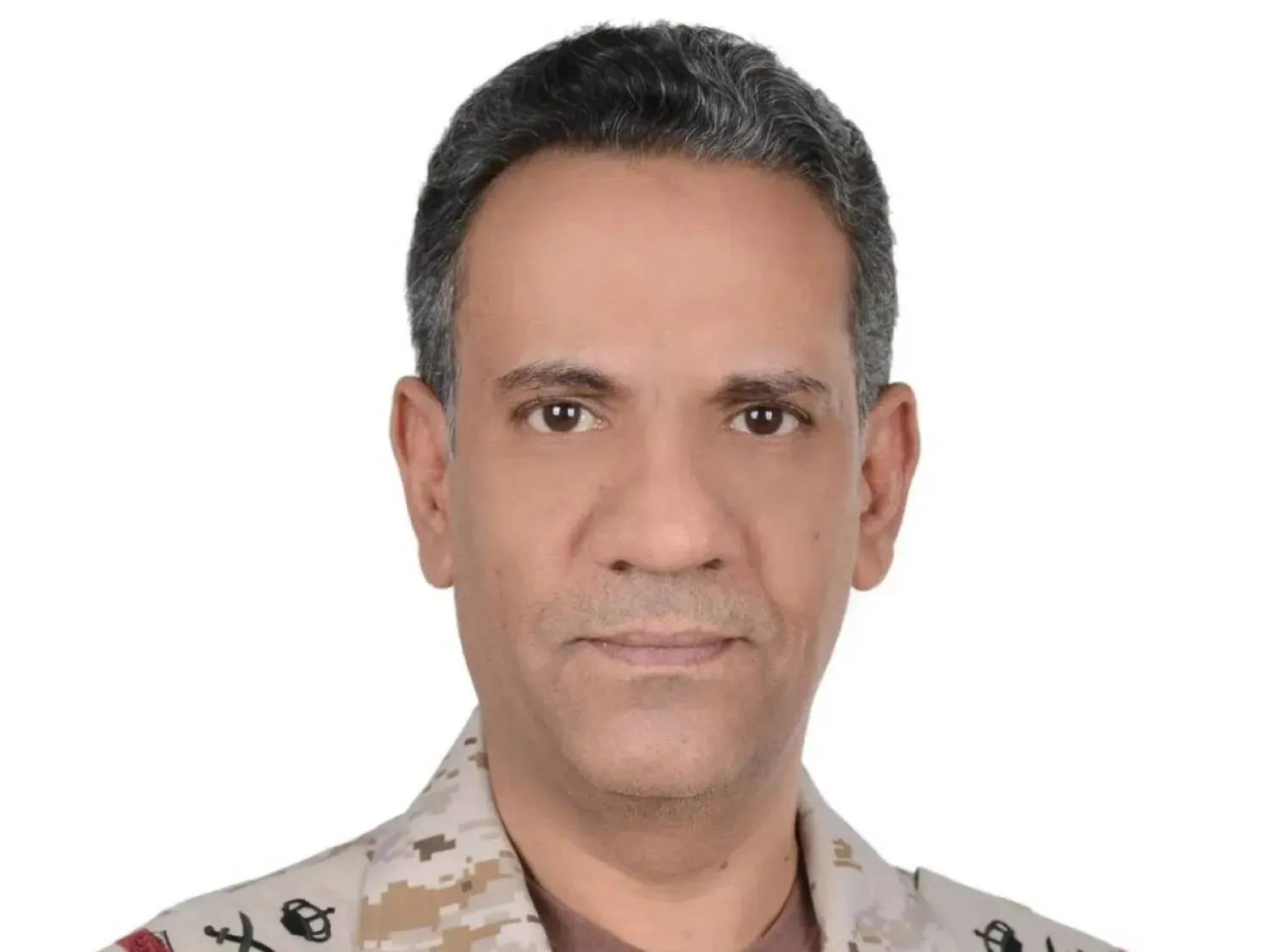
Saudi Arabia's Permanent Representative to the UN Ambassador Dr. Abdulaziz Al-Wasil. File Photo/Saudi Foreign Ministry
TT

Saudi Arabia Affirms Peace Requires Ceasefire, Establishing Palestinian State on 1967 Borders

Saudi Arabia's Permanent Representative to the UN Ambassador Dr. Abdulaziz Al-Wasil. File Photo/Saudi Foreign Ministry

The Kingdom of Saudi Arabia stressed the seriousness of the situation in the region, renewing its condemnation of Israeli attacks on Palestine and Lebanon.

This came in a speech by Permanent Representative of the Kingdom to the United Nations Dr. Abdulaziz Alwasil, in which he reiterated the Kingdom’s condemnation of Iranian attacks on civilian facilities and the resulting human and material damage, SPA reported.

The Kingdom affirmed its rejection of altering the historical and legal status quo of Jerusalem and its Islamic holy sites, and its condemnation of illegal settlement activities for violating international law and undermining the prospects for peace.

The Kingdom stressed that achieving peace requires a ceasefire, preventing displacement, withdrawal from Gaza, and the establishment of a Palestinian state on the 1967 borders.


Saudi Arabia Reaffirms Commitment to NPT at Eleventh Review Conference

The Saudi flag. Asharq Al-Awsat
TT

Saudi Arabia Reaffirms Commitment to NPT at Eleventh Review Conference

The Saudi flag. Asharq Al-Awsat

Saudi Arabia has reaffirmed the importance of the Treaty on the Non-Proliferation of Nuclear Weapons (NPT) as a fundamental pillar of the global non-proliferation regime, stressing full implementation of its provisions and balance among its three pillars.

The stance was made by the Kingdom’s Permanent Representative to the United Nations, Dr. Abdulaziz Alwasil, at the general debate of the Eleventh NPT Review Conference in New York.

The Kingdom called on nuclear-weapon states to honor their disarmament pledges, affirming that the only guarantee against nuclear weapons use is their complete elimination.

It also affirmed the inherent right of States Parties to peaceful uses of nuclear energy in accordance with the treaty. It underscored the importance of transparency and cooperation with the International Atomic Energy Agency (IAEA).

The speech addressed Iranian attacks against the Kingdom, targeting civilians and civilian infrastructure, which were condemned by the international community. It stressed the importance of regional security, good neighborliness, non-interference in internal affairs, and Iran's full cooperation with the IAEA.

The Kingdom affirmed that establishing a Middle East zone free of nuclear weapons and other weapons of mass destruction is a collective international responsibility, noting that Israel's refusal to join the treaty remains a major obstacle to this goal.


Jeddah Summit Stresses Importance of Restoring Navigation Security in Hormuz

Saudi Crown Prince Mohammed bin Salman receives Bahrain's King Sheikh Hamad bin Isa al-Khalifa ahead of the Gulf Cooperation Council (GCC) meeting in Jeddah, Saudi Arabia, April 28, 2026. Bandar Algaloud/Courtesy of Saudi Royal Court/Handout via REUTERS
TT

Jeddah Summit Stresses Importance of Restoring Navigation Security in Hormuz

Saudi Crown Prince Mohammed bin Salman receives Bahrain's King Sheikh Hamad bin Isa al-Khalifa ahead of the Gulf Cooperation Council (GCC) meeting in Jeddah, Saudi Arabia, April 28, 2026. Bandar Algaloud/Courtesy of Saudi Royal Court/Handout via REUTERS

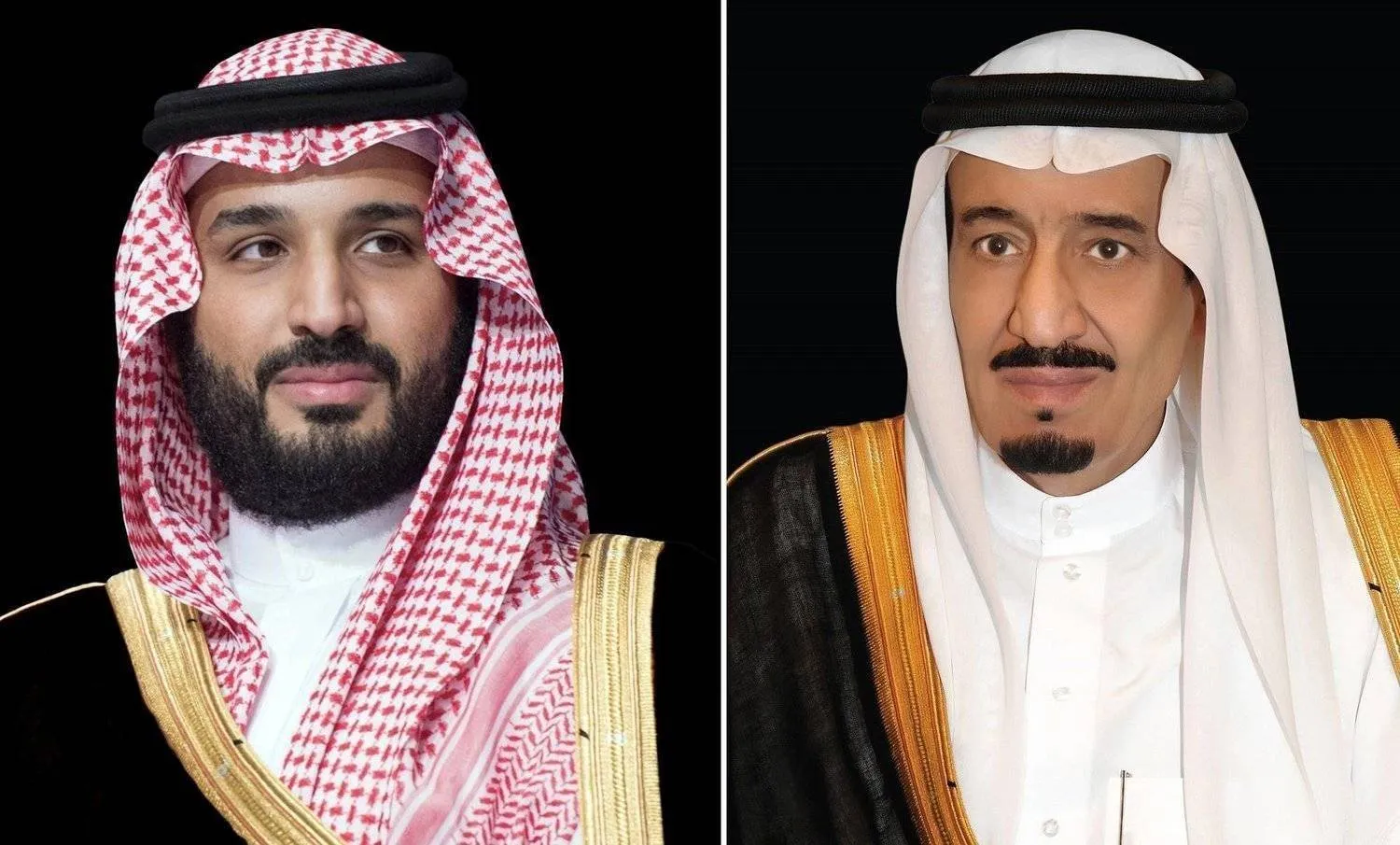
The Gulf summit, which was chaired on Tuesday by Saudi Crown Prince Mohammed bin Salman, discussed the regional situation.

It affirmed the necessity of restoring navigation security in the Strait of Hormuz and strongly condemned the flagrant Iranian aggressions against the Gulf Cooperation Council (GCC) states and Jordan.

GCC Secretary-General Jasem Albudaiwi affirmed in a statement that the summit was held at the invitation of the Saudi leadership and discussed ways to find a diplomatic path to end the crisis and pave the way for agreements and understandings that address the concerns of the Gulf states and enhance long-term security and stability.

He clarified that the leaders expressed strong condemnation and denunciation of the flagrant Iranian aggressions against the Gulf states and Jordan, emphasizing that these treacherous attacks have led to a sharp loss of confidence by the Gulf states in Iran.

Albudaiwi noted that the leaders praised the ability demonstrated by the Gulf states to deal with the challenges they faced due to this crisis, pointing out that the leaders expressed their categorical rejection of illegal Iranian measures to close the Strait of Hormuz and obstruct navigation in it, affirming the necessity of restoring navigation security and freedom and returning the situation in the Strait to what it was before February 28.

Albudaiwi also highlighted that the leaders of the Gulf states directed the urgency of completing the requirements for achieving access to all joint Gulf projects, including transport and logistics services, along with accelerating the implementation of the GCC railway project.

The Secretary-General of the Council further noted the leaders' affirmation of the importance of promptly taking steps towards establishing an oil and gas pipeline project, a water linkage project between the Gulf states, and moving forward with studying the creation of strategic Gulf reserve areas, in addition to the importance of intensifying military integration among the Council's states and accelerating the completion of the ballistic missile early warning system project.