



French Biographer Explores Life of Audrey Hepburn in New Book

Audrey Hepburn poses with her Oscar for best actress for the film "Roman Holiday" on March 25, 1954 | AFP Photo
TT

French Biographer Explores Life of Audrey Hepburn in New Book

Audrey Hepburn poses with her Oscar for best actress for the film "Roman Holiday" on March 25, 1954 | AFP Photo

Audrey Hepburn has been the star of many books before and after she left this world. French biographer Guillaume Evin has recently released a new book revolving around the journey of the British star whose movies still charm cinema lovers 50 years after she ended her career, and around 30 years after her death from cancer. Evin wrote many popular books about several stars including Steve McQueen, Brigitte Bardot, and Alain Delon, in addition to many others about the Scottish actor Sean Connery and his character in the James Bond movies.

Hepburn, who was born in Belgium, amazed Hollywood with her exceptional talent in the 1950s, although she wasn't blonde and chubby actress like the stars of that time. She was so skinny, with black hair, two wide eyes, and the uncanny fitness of a ballerina. These characteristics caught the attention of many famous fashion designers, mostly the French Hubert de Givenchy who built a strong decades-long friendship with her.

Thanks to her unique personality, she managed to break into the exclusive club of actresses who won the four top cinema awards: Emmy, Grammy, Tony, and Oscar. She was awarded the 1954 Academy Award for Best Actress for her role in "Roman Holiday" directed by William Wyler and co-starred by Gregory Peck. She also won a BAFTA and a Golden Globe for her performance in the same movie. In 1955, she was awarded a Henrietta Award for World Film Favorite. She was also a prominent humanitarian activist who focused on helping children as a UNICEF ambassador. After her death, Hepburn won a Jean Hersholt Humanitarian Award and the Presidential Medal of Freedom for her humanitarian work.

The book highlights many phases of the British star's journey, starting from a miserable childhood in a boarding school, the Second World War, and her struggle with her father, who was a Nazi supporter and abandoned his family and divorced her mother. However, the skinny girl who never thought she could survive the war found her way to the big screen, fame, and stardom. Yet, the 38-year-old Audrey decided to give up on acting at the peak of her success to dedicate her life to her two sons, and used her fame to serve the children care associations in poor countries.

Released by Casa editions, the 200-page book was issued with a box including a brochure and a CD of the "Love in the Afternoon," one of Hepburn's iconic movies. It was directed by Billy Wilder and screened in 1957. She co-starred it with the great Gary Cooper, playing a young woman who falls in love with a manipulative older man. The CD features a new edition of the movie restored by Carlotta Films.

Hepburn also inspired a series produced by the Wildside Company. Her son Luca Dotti co-wrote the script of the series which depicts the amazing life of an unforgettable actress and her subtle roles in movies like Funny Face and My Fair Lady. Luca, Hepburn's son from her Italian husband took his ideas for the series from a 2015 book entitled Audrey at Home. The series followed a movie about Hepburn starred by Jennifer Love Hewitt in 2000.

In a recent interview with The Sun, Sean Hepburn Ferrer, 60, her other son from her American husband, actor Mel Ferrer, said his mother lived many emotional failures despite her outstanding career. The interview discussed a documentary entitled "Audrey: More Than an Icon" that explores the "deep pains she hid behind her beautiful smile." Ferrer added that his mother always opened up to him about what she was facing with teary eyes, and asked for his advice, but he was a little boy and he didn't know how to help her.


Saudi Arabia: King Abdulaziz Library to Launch 26th Free Reading Festival

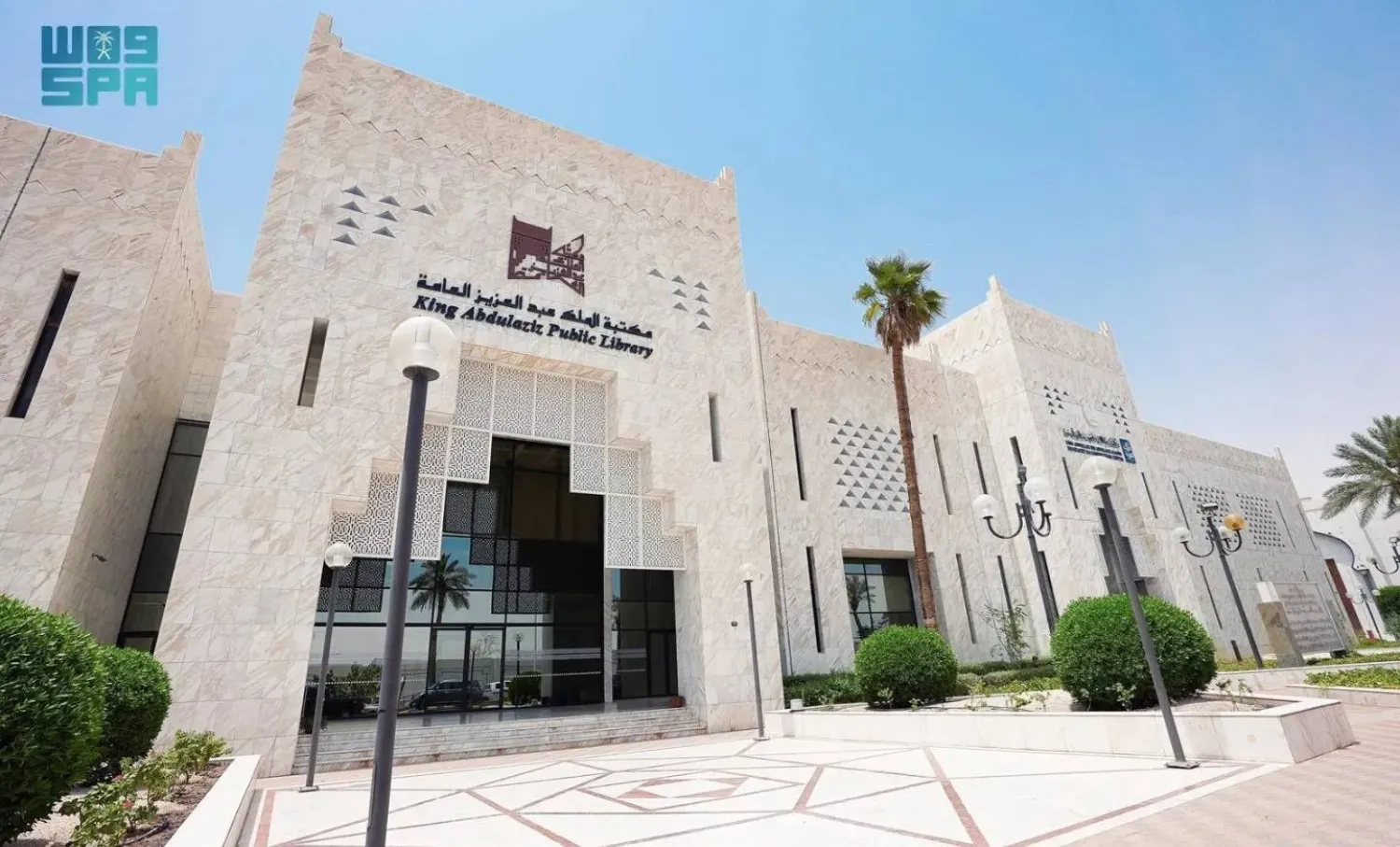
The King Abdulaziz Public Library. SPA
TT

Saudi Arabia: King Abdulaziz Library to Launch 26th Free Reading Festival

The King Abdulaziz Public Library. SPA

The King Abdulaziz Public Library, in cooperation with the Riyadh Education Department, will launch its 26th annual Free Reading Festival for public school students on Sunday.

Running from May 10 to 14 in Riyadh, the festival will bring together more than 100 schools, over 1,550 students, and a number of educators and teachers.

It aims to foster a love of reading and learning, expand students’ literary, scientific, and cultural horizons, and encourage teachers to promote independent reading. It will also provide a platform to showcase student talents and strengthen Arabic language skills.

Through initiatives like this festival, the King Abdulaziz Public Library promotes reading through diverse programs and a wide range of books that foster pride in the Kingdom’s heritage.


Qassim's Monday Market Retains Heritage Role as Economic and Cultural Hub

The Monday market in the governorate of Uyun Al-Jiwa. (SPA)
TT

Qassim's Monday Market Retains Heritage Role as Economic and Cultural Hub

The Monday market in the governorate of Uyun Al-Jiwa. (SPA)

The Monday market in the governorate of Uyun Al-Jiwa, north of Qassim Region, stands as one of the oldest traditional weekly markets, enduring through changing times while maintaining its role as a vibrant economic and cultural hub.

The market draws a growing number of visitors from across Qassim and beyond, supported by the governorate’s strategic location.

During a field tour, the Saudi Press Agency observed lively activity throughout the market, with stalls displaying a diverse range of products. These include agricultural goods such as almonds and dried figs; animal products like ghee and milk, for which the region is renowned; as well as handicrafts and natural items such as henna and sidr.

Visitors noted that the market has retained its authentic character, continuing to serve as a vital source of income for small vendors and families working in the cottage industry, reinforcing its role as a key platform for preserving traditional culture while supporting the local rural economy.


Heritage Commission Revives Al-Nasb Heritage District as Abha Cultural Tourism Destination

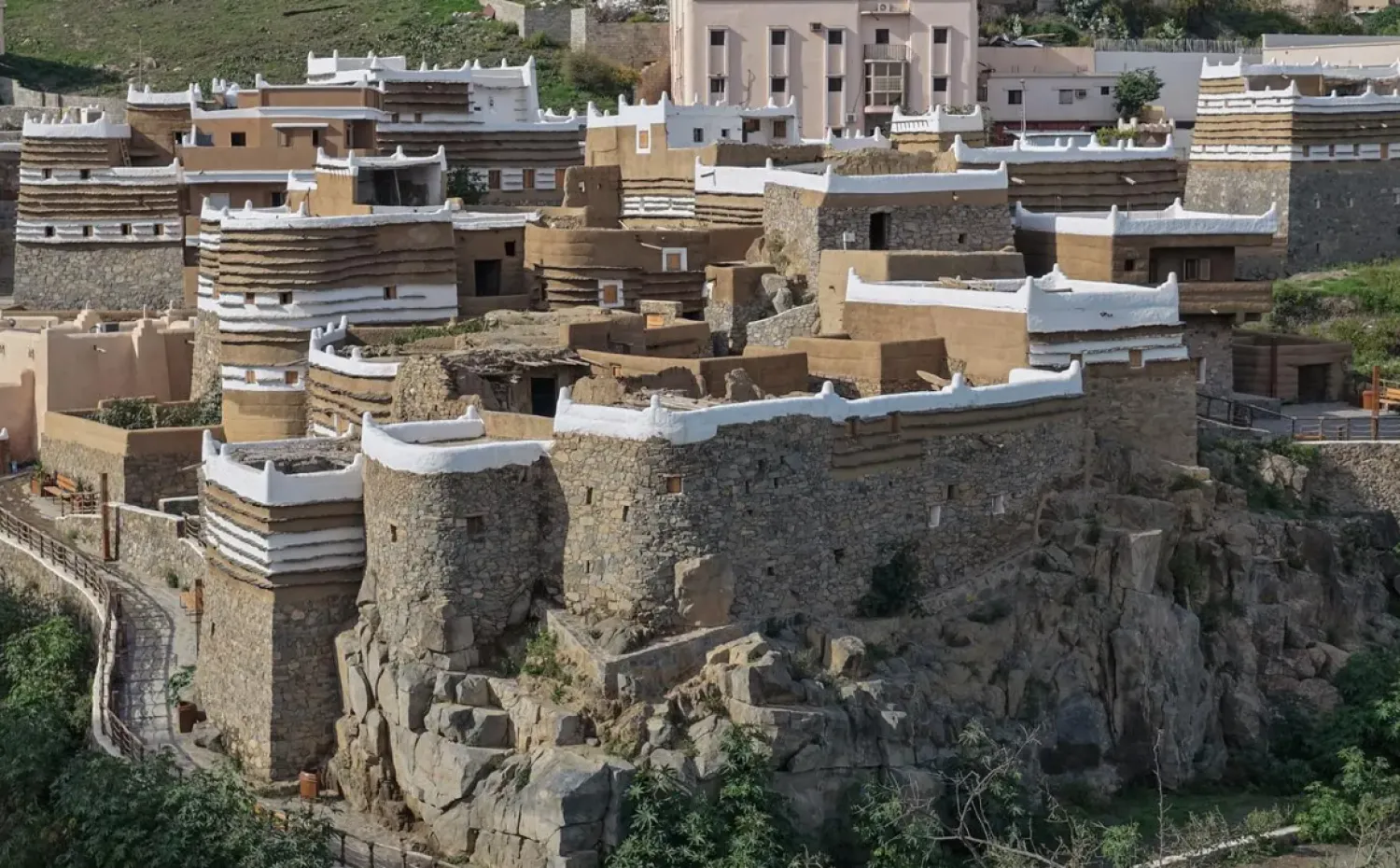
The district’s significance lies in its unique architectural composition - SPA
TT

Heritage Commission Revives Al-Nasb Heritage District as Abha Cultural Tourism Destination

The district’s significance lies in its unique architectural composition - SPA

Al-Nasb Heritage District in Abha is one of the most prominent living examples of traditional architecture in Aseer Region, preserving its long history and architectural details that embody people’s connection to their local environment and document the social and cultural patterns that have shaped the identity of the place across generations.

The district’s significance lies in its unique architectural composition, where mud and stone buildings stand side by side in visual harmony. They were built using local materials such as stone, clay, and juniper trunks, while the narrow alleyways and closely set buildings give the district a cohesive social character that reflects the spirit of past communities in the region and the close relationship between people and place.

The Heritage Commission has revived the district through an integrated restoration and rehabilitation project aimed at preserving its original elements and enhancing its sustainability, as part of national efforts to protect urban heritage and highlight it as a cultural and tourism asset, SPA reported.

The site is also distinguished by its natural setting, as the district overlooks the banks of Abha Valley and surrounding farms, giving it a distinctive visual and aesthetic dimension. Its narrow passageways and closely set buildings illustrate a traditional urban pattern that strengthens ties among residents and captures the nature of social life in that era.

The district is now a growing destination for culture and tourism in Abha, attracting visitors and heritage enthusiasts who come to explore the details of authentic architecture and learn about the traditional ways of life that have shaped Aseer Region’s identity across generations. The project helps raise awareness of the importance of preserving archaeological sites as a key pillar in forming national memory.

The project is part of the Kingdom’s efforts to protect and effectively manage cultural heritage, in line with the targets of Saudi Vision 2030, which gives special attention to the cultural sector. It seeks to turn heritage sites into vibrant spaces that support cultural tourism and sustainable development while reconnecting society with its historical roots.