UAE and Indonesia seal agreements to enhance cooperation in the field of creative economy and increase mutual support in the fields of architecture, fashion, design, and fine arts between the two countries - WAM
UAE and Indonesia seal agreements to enhance cooperation in the field of creative economy and increase mutual support in the fields of architecture, fashion, design, and fine arts between the two countries - WAM
The United Arab Emirates signed on Wednesday a Memorandum of Understanding (MoU) and technical agreement with the Republic of Indonesia to support cooperation in the areas of creative economy, tourism, environmental conservation and logistics at the UAE-Indonesia Business Forum entitled "Amazing Week 2021".
The deal aims to enhance cooperation in the field of creative economy and increase mutual support in the fields of architecture, fashion, design, and fine arts between the two countries.
This comes in addition to exchanging experiences on developing methods of financing the creative economy, state news agency WAM reported.
The UAE delegation included Suhail Al Mazrouei, Minister of Energy and Infrastructure, Noura bint Mohammed Al Kaabi, Minister of Culture and Youth, Sultan Ahmed bin Sulayem, Chief Executive Officer of DP World, Mubarak Al Nakhi, Undersecretary of the Ministry of Culture and Youth, and representatives from a number of high-level entities in the UAE.
Noura Al Kaabi and Sandiaga Salahuddin Uno, Minister of Tourism and Creative Economy of the Republic of Indonesia, signed the MoU on cooperation in the field of creative economy.
Mubarak Al Nakhi and Wisnu Bawa Tarunajaya, Deputy Minister for Resources and Institutionality, signed the technical agreement on hosting the World Creative Economy Conference 2021 in Dubai as part of Expo 2020 Dubai, scheduled in October 2021.
The conference will include a meeting of officials, academics, business owners, and representatives of governments, international bodies, and the media to shape future creative economic policies.
Following the signature of the MoU, Al Kaabi said: "The UAE and Indonesia are exemplars of religious and cultural diversity, tolerance and moderation. These are the values that bind us together and enable us to cooperate for our common interests, especially in the sphere of creative economy, which is a pillar of sustainable economic growth."
"As the world is going through a challenging time due to the COVID-19 pandemic, we need to turn challenges into opportunities for innovation,'' Al Kaaber added.
''The MoU signed between our two countries will provide us a new opportunity to strengthen our bilateral ties and mutual cooperation in various spheres, including in the cultural and creative sectors,"
For his part, Hussein Baqis, Indonesian Ambassador to the UAE, said: "I believe the MoU on cooperation in the field of creative economy will open many opportunities between both countries to share ideas as well as experiences for the advancement of creative economy industries in both countries. I am optimistic that Indonesia and the UAE can play a bigger role in economic recovery through creative economy industries."
Other agreements signed between the two sides included industrial and commercial cooperation agreements, a logistics passport agreement with businesses in the UAE, and a joint venture development agreement with DP World.
Egypt Seeks Faster Progress on Libya Gas, Refining and Power Projectshttps://english.aawsat.com/business/5338878-egypt-seeks-faster-progress-libya-gas-refining-and-power-projects
Egyptian Foreign Minister Badr Abdelatty speaks during a press conference with Minister of Information Diaa Rashwan (not pictured) in Cairo, Egypt, March 25, 2026. (Reuters)
TT
TT
Egypt Seeks Faster Progress on Libya Gas, Refining and Power Projects
Egyptian Foreign Minister Badr Abdelatty speaks during a press conference with Minister of Information Diaa Rashwan (not pictured) in Cairo, Egypt, March 25, 2026. (Reuters)
Egypt aims to accelerate energy projects with Libya, including gas pipeline links, refining of Libyan crude in Egypt and an electricity interconnection, Egyptian Foreign Minister Badr Abdelatty said late on Saturday.
Abdelatty's comments were in a ministry statement after a meeting with Libya’s acting oil and gas minister Khalifa Abdulsadek in Tripoli.
Abdelatty also called for cooperation on petroleum products and the completion of projects to refine Libyan oil in Egypt and re-export it, the statement said, adding that Abdulsadek had said that Libya would continue implementing existing projects and would visit Cairo soon to continue technical talks with Egypt’s petroleum and electricity ministers.
The statement did not provide details on costs or the status of the projects.
GCC: Railway Agreement Sets Joint Framework for Project Implementation and Operationhttps://english.aawsat.com/business/5338872-gcc-railway-agreement-sets-joint-framework-project-implementation-and-operation
GCC: Railway Agreement Sets Joint Framework for Project Implementation and Operation
GCC transport ministers pose for a group photo following the 27th committee meeting in Kuwait. (GCC Railway Authority)
Jasem Albudaiwi, secretary-general of the Gulf Cooperation Council (GCC), said on Sunday that the signing of the General Agreement on the GCC Railway Project marked an important step toward establishing an integrated regional transport network.
He said the network would facilitate the movement of citizens and residents, ease freight transport, boost intra-GCC trade efficiency and strengthen member states’ economic competitiveness and the region’s position in regional and international trade.
Albudaiwi's remarks came at the signing ceremony in the Bahraini capital, Manama, on Sunday, held under the patronage and in the presence of Bahrain’s Crown Prince and Prime Minister Salman bin Hamad Al Khalifa.
He said the project reflected the GCC’s shared ambition to connect member states and improve mobility and trade by linking their economic and industrial hubs, ports and logistics centers.
He added that the project would create opportunities for safe, reliable, affordable and environmentally friendly transport services that meet development needs, serve the aspirations of future generations and strengthen economic integration among GCC states.
Albudaiwi said the agreement sets a common framework for member states to implement and operate the project in coordination with their national railway networks, while establishing mechanisms and a timetable to accelerate its completion.
Albudaiwi praised GCC leaders and transport ministers for their support of strategic regional projects, thanking Bahrain’s crown prince and prime minister for hosting the signing ceremony and officials for advancing the railway project.
Mega Projects Drive Growth for Saudi Small and Medium Factorieshttps://english.aawsat.com/business/5338869-mega-projects-drive-growth-saudi-small-and-medium-factories
Mega Projects Drive Growth for Saudi Small and Medium Factories
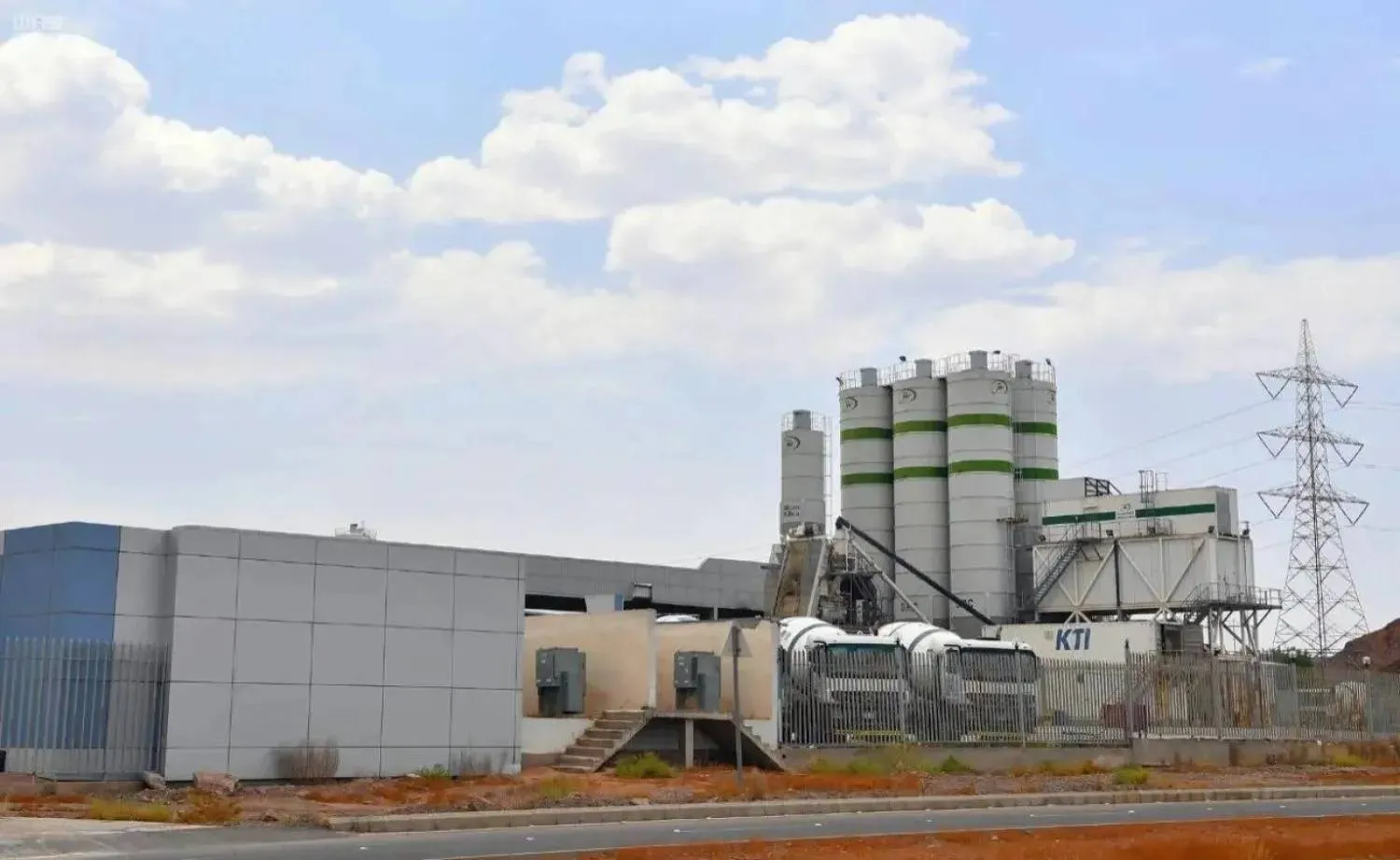
A factory in Madinah’s industrial city. (SPA)
Mega projects in Saudi Arabia are offering increasing opportunities for small and medium-sized factories to expand their businesses and integrate into local supply chains. This shift is accompanied by growing demand for industrial products and auxiliary services, including transport, warehousing, maintenance, and engineering services.
This demand has the potential to broaden the domestic manufacturing base, enabling factories to scale up capacity and upgrade their products rather than limiting their operations to meeting existing market needs. However, capitalizing on these opportunities remains contingent on the factories' ability to overcome financing and liquidity challenges, secure qualification from major corporations, and meet strict requirements for volume, specifications, and delivery schedules.
Experts speaking to Asharq Al-Awsat noted that integrating small and medium-sized industrial enterprises into supply chains requires tailoring opportunities to match their actual capacities. They also stressed the need to develop financing solutions that assist these companies in executing contracts, alongside creating avenues for them to build a track record that qualifies them to compete for larger orders.
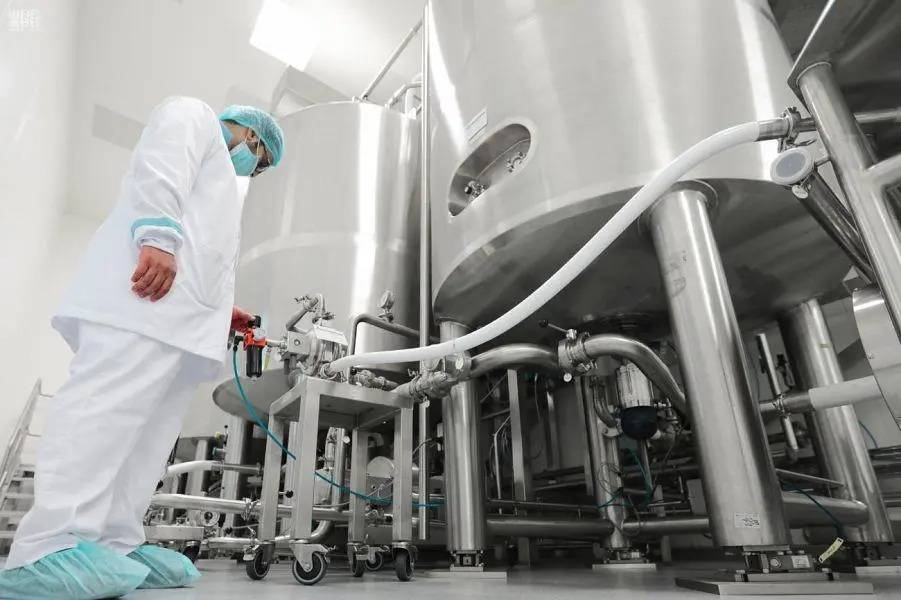
A worker at a factory in Saudi Arabia. (SPA)
Mega projects expand domestic demand base
Dr. Abdullah Al-Salloum, a finance professor at Imam Mohammad Ibn Saud Islamic University, stated that small and medium-sized enterprises represent roughly 90 percent of global businesses, provide 60 to 70 percent of employment, and account for about 50 percent of the world's GDP.
Strengthening their role in industrial activity remains a primary developmental objective, he added.
He explained that Saudi Arabia is working to expand the contribution of these enterprises by developing the regulatory environment and national industrial strategies, improving logistics services, and reducing investment risks, as well as stimulating demand for local products through mega projects, value chains, procurement, and local content programs.
Al-Salloum added that the industrial ecosystem provides financing solutions and demand guarantees for national products, alongside qualification and operational support programs. He cited the industrial business accelerator affiliated with the Public Investment Fund, which he said received 350 applications over the past year.
These initiatives offer domestic manufacturing an opportunity to strengthen its presence in the local market and leverage that footing to expand into regional and international markets, he remarked.
The participation of small and medium-sized enterprises in the supply chains of mega projects is not limited to factories producing goods, but extends to supporting activities and services, such as transport, warehousing, maintenance, and engineering services, thereby expanding the base of beneficiaries from investment spending, he said.
The higher the capacity of local industry to meet the needs of these projects, the greater the share of spending that remains within the national economy, he explained.
He cited as an example the spending of the PIF and its subsidiaries on local content, which reached 207 billion riyals ($55.2 billion) during 2024, according to an announcement by the fund's governor, Yasir Al-Rumayyan. He explained that while this figure is not exclusive to small and medium enterprises or industrial factories, it reflects the volume of demand that local factories can leverage to expand their businesses and develop their products.
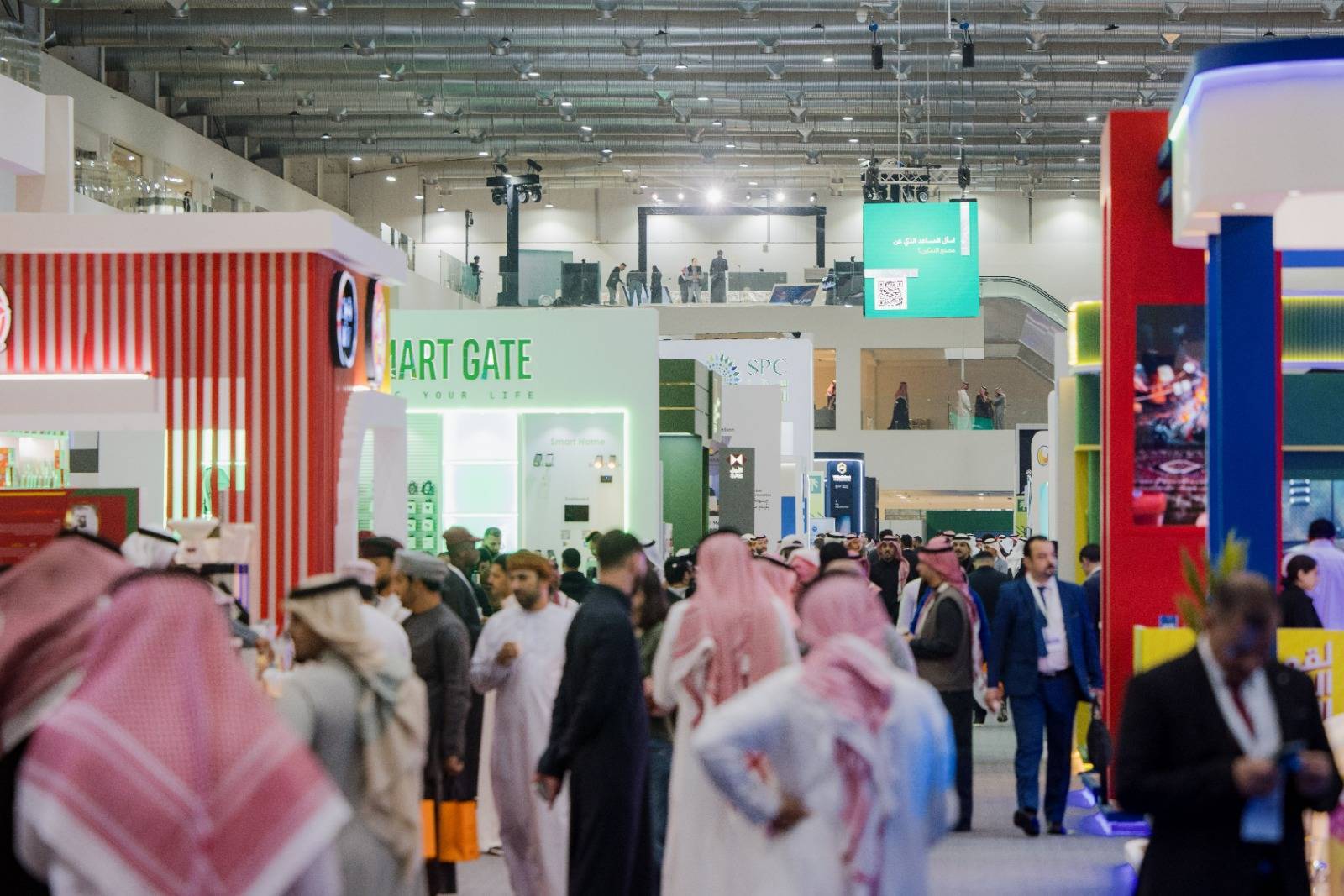
Visitors at the 2025 Saudi Industrial Expo. (Saudi Made)
Al-Salloum explained that recurring orders help factories raise their capacity utilization rates and distribute fixed costs across a larger number of units, thereby improving efficiency and enabling them to invest in equipment, technologies, and workforce training. It also provides them with a supply track record and practical experience that can be leveraged to attract new clients both within Saudi Arabia and abroad.
He said that reducing reliance on imports is linked to the capacity of local industry to produce a wider range of goods, components, and services that were previously imported, increasing domestic value-added, while acknowledging the continued need for certain imports during the initial stages of industrial development.
Al-Salloum added that the expansion of domestic production creates jobs across multiple fields, including technicians, engineers, and workers in quality control, operations, and maintenance.
The sustainability of these jobs depends on the factories' capacity to diversify their client base and avoid relying on a single project or entity, he remarked.
Liquidity and demand continuity present challenges for factories
Consulting engineer Abdulaziz Aba Arrous, CEO of A&BC for Safety Tools and Materials Manufacturing, stated that while the Saudi industrial sector has received government support and incentives that helped boost confidence in investment and expansion, factories still face daily challenges related to liquidity and demand continuity.
He explained that executing a large order requires the factory to purchase raw materials and pay wages and production costs before collecting its dues, creating a financing gap between the start of implementation and receiving the supply value. Furthermore, scaling up production capacity demands investment in equipment and recruiting qualified technical labor, as well as bearing continuous operational obligations.
Clarity regarding future demand, the availability of long-term contracts, and the regular settlement of dues are factors that help enterprises plan, expand, and utilize available support and incentives, rather than operating under intermittent orders that make it difficult to determine production and investment needs, he continued.
Aba Arrous said that opportunities for small and medium-sized factories to enter the supply chains of mega projects exist, but they vary depending on the nature of the product, the volume of demand, and the factory's ability to commit to specifications, quantities, and delivery schedules.
He added that the "Etimad" platform allows enterprises to view government tenders, while the preference for national products, in accordance with applicable regulations, contributes to boosting the competitiveness of local factories. However, the challenge with major corporations often begins at the stage of registration and qualification as an approved supplier, prior to accessing an actual supply opportunity.
Aba Arrous explained that while a factory may possess a quality product and adequate production capacity, it often faces lengthy qualification procedures, or orders with volumes and payment terms that exceed its financial capabilities. Therefore, he highlighted the importance of awarding small and medium-sized enterprises initial orders tailored to their capacities, with the volume of business scaling up based on execution quality and adherence to delivery schedules.
This approach allows the factory to prove its capability while enabling the buyer to assess its actual performance, he noted.
Qualification and financing requirements determine expansion opportunities
Regarding the obstacles preventing factories from securing supply contracts, Al-Salloum stated that financing challenges, production capacity, qualification requirements, and contract accessibility are interconnected.
A factory may possess a quality product but lack the experience necessary to qualify as a supplier, or it may secure a contract without having sufficient liquidity to execute it, he explained.
He pointed to the PIF's announcement in September 2026 of the launch of the "Tawreed" company, aimed at providing supply chain financing products, including early payment against approved invoices. He said that while these solutions can improve cash flows for factories, they do not replace the need for pre-invoice financing, which is essential for the enterprise to purchase raw materials and commence production.
Quality, safety, and compliance requirements are essential, but experience, financial solvency, and guarantee demands should align with the contract size and the nature of its risks, preventing qualification criteria from becoming a barrier to smaller factories, he added.
He also called for providing these enterprises with opportunities to prove their capabilities through smaller orders before moving to larger contracts.
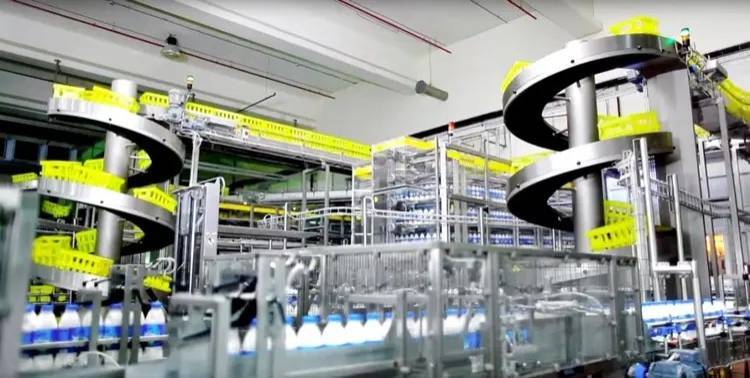
A view inside of a Saudi factory. (Vision 2030)
For his part, Aba Arrous explained that small and medium-sized factories are capable of supplying various products to mega projects, including metal products, electrical components, packaging materials, and safety equipment, alongside maintenance services and custom manufacturing.
He noted that his company operates in the field of industrial safety equipment, and its products include personal protective equipment for industrial sector workers, such as flame- and heat-resistant clothing and cut-resistant gloves, whose specifications are determined according to the nature of the hazards and usage requirements.
He added that the proximity of local factories to clients gives them an advantage in monitoring their needs, managing variations in quantities and sizes, and responding to required modifications, compared to direct imports which may take longer in some cases. This proximity helps in developing products and building ongoing supply relationships with clients.
Client diversification ensures sustainable growth
Al-Salloum stressed that overreliance on mega projects or government initiatives could expose enterprises to single-customer concentration risks, making productivity improvements, cost controls, and customer base diversification essential for business sustainability, rather than tying the factory's future to specific contracts or a single entity.
The most significant developmental impact of small and medium factories participating in these projects extends to building more productive enterprises, developing worker skills, and forming a baseline of competitive national products, enabling local industry to sustain itself and grow after the projects conclude, he said.
لم تشترك بعد
انشئ حساباً خاصاً بك لتحصل على أخبار مخصصة لك ولتتمتع بخاصية حفظ المقالات وتتلقى نشراتنا البريدية المتنوعة