

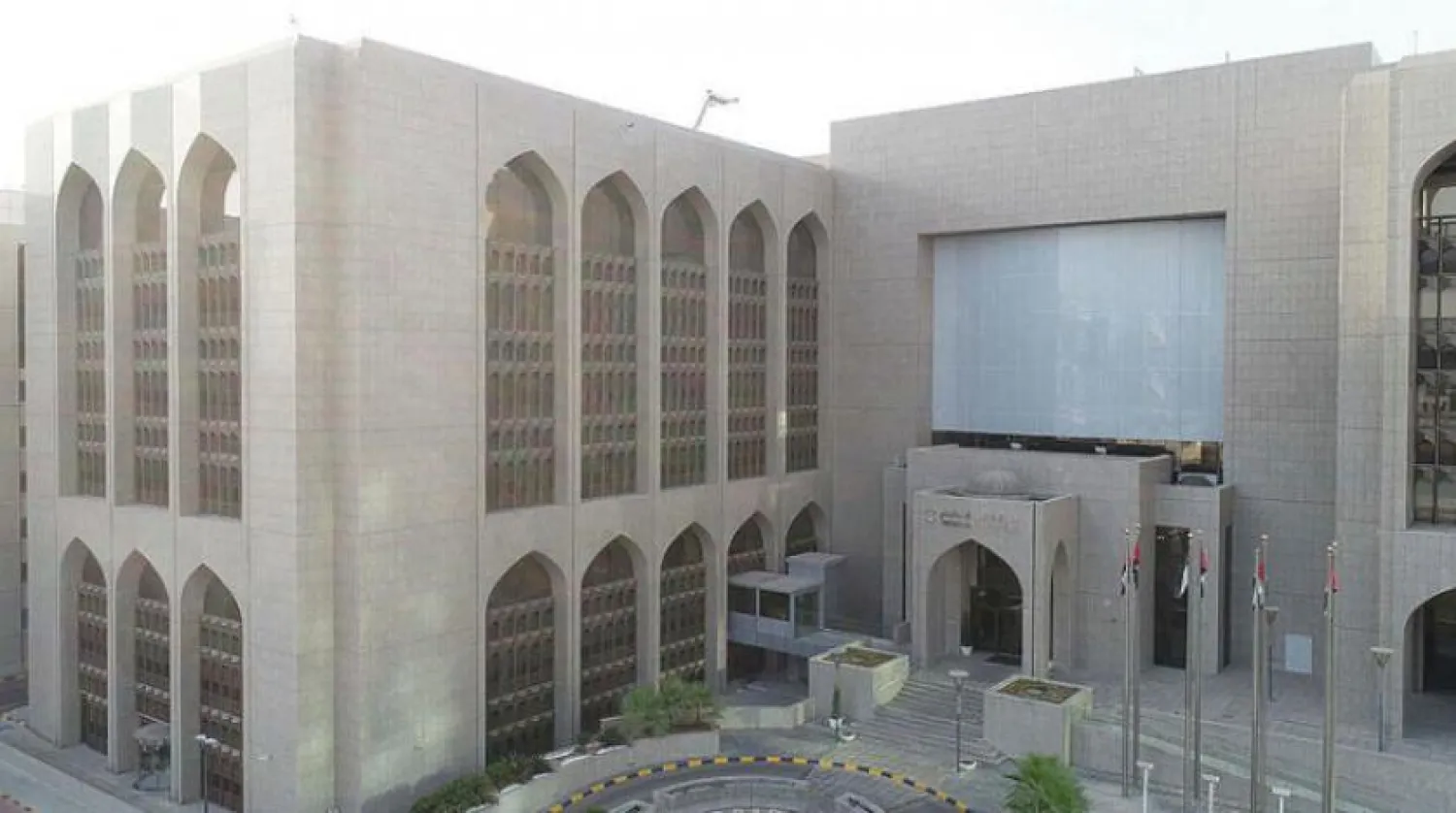

UAE Central Bank Issues New Guidelines to Combat Money Laundering

The Central Bank of the UAE issued new guidance on anti-money laundering and combating the financing of terrorism - WAM
TT

UAE Central Bank Issues New Guidelines to Combat Money Laundering

The Central Bank of the UAE issued new guidance on anti-money laundering and combating the financing of terrorism - WAM

The Central Bank of the UAE has issued a new guidance on anti-money laundering and combating the financing of terrorism for its licensed financial institutions (LFIs), which provide services to cash-intensive businesses (CIBs).

The guidance, which came into effect on 28 September and requires LFIs to demonstrate compliance with its requirements within one month from said date, will assist the understanding and effective implementation by LFIs of their statutory AML/CFT obligations.

Governor of the CBUAE Khaled Balama, said: "The new guidance affirm our commitment to implement high regulatory control over LFIs and their transactions with cash-intensive business activities and to complement with the UAE’s path to actively participate in international efforts to AML/CFT. We will continue our efforts to issue similar regulatory guidelines, to ensure enhancing the efficiency and robustness of our banking and financial system, in line with the Financial Action Task Force (FATF) standards."

CIBs are businesses that experience a high volume of cash flows spanning across various industry sectors such as retail, wholesale and trading, travel, and transport.

Some aspects of these businesses, such as the involvement of cash couriers, cash deposits, currency exchanges, and cross-border movement of cash, may be vulnerable to money laundering or the financing of terrorism and illegal organizations.

As stipulated in the guidance, LFIs providing services to CIBs must take a risk-based approach in their AML programs by assessing all CIB customers to determine their degree of risk. LFIs must perform appropriate customer due diligence that comprises customer and beneficial owners' identification, understanding of the customer business, and ongoing monitoring of the business relationship, state news agency WAM reported.

LFIs should also obtain appropriate information regarding the source of cash deposited in a customer’s account as well as mandate the use of Emirates ID for cash deposits in automated teller machines (ATMs).

In addition, LFIs should maintain transaction monitoring systems equipped to identify patterns of activity that appear unusual and potentially suspicious.



China Widens Foreign Investment Incentive List to Stem Falling Inflows

People visit a shopping center in Beijing on December 20, 2025. (AFP)
TT

China Widens Foreign Investment Incentive List to Stem Falling Inflows

People visit a shopping center in Beijing on December 20, 2025. (AFP)

China on Wednesday listed more sectors eligible for foreign investment incentives, from tax breaks to preferential ​land use, in its latest effort to stem a prolonged decline in overseas capital inflows.

Under the 2025 edition of the catalogue of industries for encouraging foreign investment, China added more than 200 and revised about 300, with a ‌focus on ‌advanced manufacturing, modern services and ‌green ⁠and ​high-tech ‌sectors, the list jointly issued by the National Development and Reform Commission and the commerce ministry showed.

The new catalogue, which takes effect on February 1, 2026, replaces the 2022 version and continues a policy framework ⁠that offers foreign-invested enterprises tariff exemptions on imported equipment, preferential ‌land pricing, reduced corporate income ‍tax rates in ‍designated regions and tax credits for reinvestment ‍of profits.

The catalogue also extends incentives to central and western regions, as well as the northeast and Hainan, as Beijing seeks to attract ​more foreign investment into less developed areas.

China has in recent months ⁠taken a raft of measures to boost foreign investment, including pilot programs in Beijing, Shanghai and other regions to expand market access in services such as telecoms, healthcare and education, amid trade tensions with the United States.

Foreign direct investment in China totaled 693.2 billion yuan ($98.84 billion) from January to November this year, down 7.5% from the ‌same period last year, data from the commerce ministry showed.


Environment Ministry Launches Saudi Citrus Season with Production Exceeding 158,000 Tons

The citrus production season in the Kingdom begins in July and continues through March each year. (SPA)
TT

Environment Ministry Launches Saudi Citrus Season with Production Exceeding 158,000 Tons

The citrus production season in the Kingdom begins in July and continues through March each year. (SPA)

The Saudi Ministry of Environment, Water and Agriculture launched on Wednesday the Kingdom’s citrus season in local markets as part of its efforts to support and develop the agricultural sector and enhance food security in the country, in line with the Saudi Vision 2030.

The is part of the ministry’s ongoing efforts to support national agricultural products, raise awareness of citrus varieties and their nutritional benefits and production areas, and highlight their year-round diversity across production seasons.

These efforts help in improving marketing efficiency, boost competitiveness, and achieve rewarding economic returns.

Citrus fruits are among the most widely cultivated crops in the Kingdom. They are grown in several regions that produce a variety of citrus types, most notably lemons, oranges, mandarins, grapefruit, citron, and kumquats.

The ministry said lemon production leads Saudi citrus output, with total production exceeding 123,000 tons and more than 1.5 million fruit-bearing trees. Orange production follows, with total output reaching 35,700 tons and more than 397,000 fruit-bearing trees.

The citrus production season in the Kingdom begins in July and continues through March each year, it added.

The ministry said the Saudi citrus season has been launched with a number of major retail markets across the Kingdom showcasing local products through innovative packaging and display methods. This boosts the quality and reliability of local products and increases consumer demand during production seasons.


SLB Awarded 5-Year Contract to Stimulate Unconventional Gas in Saudi Arabia

SLB has been awarded a five-year contract by Saudi Aramco to provide stimulation services for its unconventional gas fields. (Asharq Al-Awsat)
TT

SLB Awarded 5-Year Contract to Stimulate Unconventional Gas in Saudi Arabia

SLB has been awarded a five-year contract by Saudi Aramco to provide stimulation services for its unconventional gas fields. (Asharq Al-Awsat)

Global technology company, SLB, has been awarded a five-year contract by Saudi Aramco to provide stimulation services for its unconventional gas fields, the company said in a statement on Tuesday.

The move is part of a broader multi-billion contract, supporting one of the largest unconventional gas development programs globally, it said.

The contract encompasses advanced stimulation, well intervention, frac automation, and digital solutions, which are important to unlocking the potential of Saudi Arabia’s unconventional gas resources - a cornerstone of the Kingdom’s strategy to diversify its energy portfolio and support the global energy transition.

“This agreement is an important step forward in Aramco’s efforts to diversify its energy portfolio in line with Vision 2030 and energy transition goals,” said Steve Gassen, SLB executive vice president.

“With world-class technology, deep local expertise, and a proven track record in safety and service quality, SLB is well positioned to deliver tailored solutions that could help redefine operational performance in the development of Saudi Arabia’s unconventional resources,” he added.

These solutions provide the tools to work toward new performance benchmarks in unconventional gas development.

SLB is a global technology company that drives energy innovation for a balanced planet.

With a global footprint in more than 100 countries and employees representing almost twice as many nationalities, it works on innovating oil and gas, delivering digital at scale, decarbonizing industries, and developing and scaling new energy systems that accelerate the energy transition.