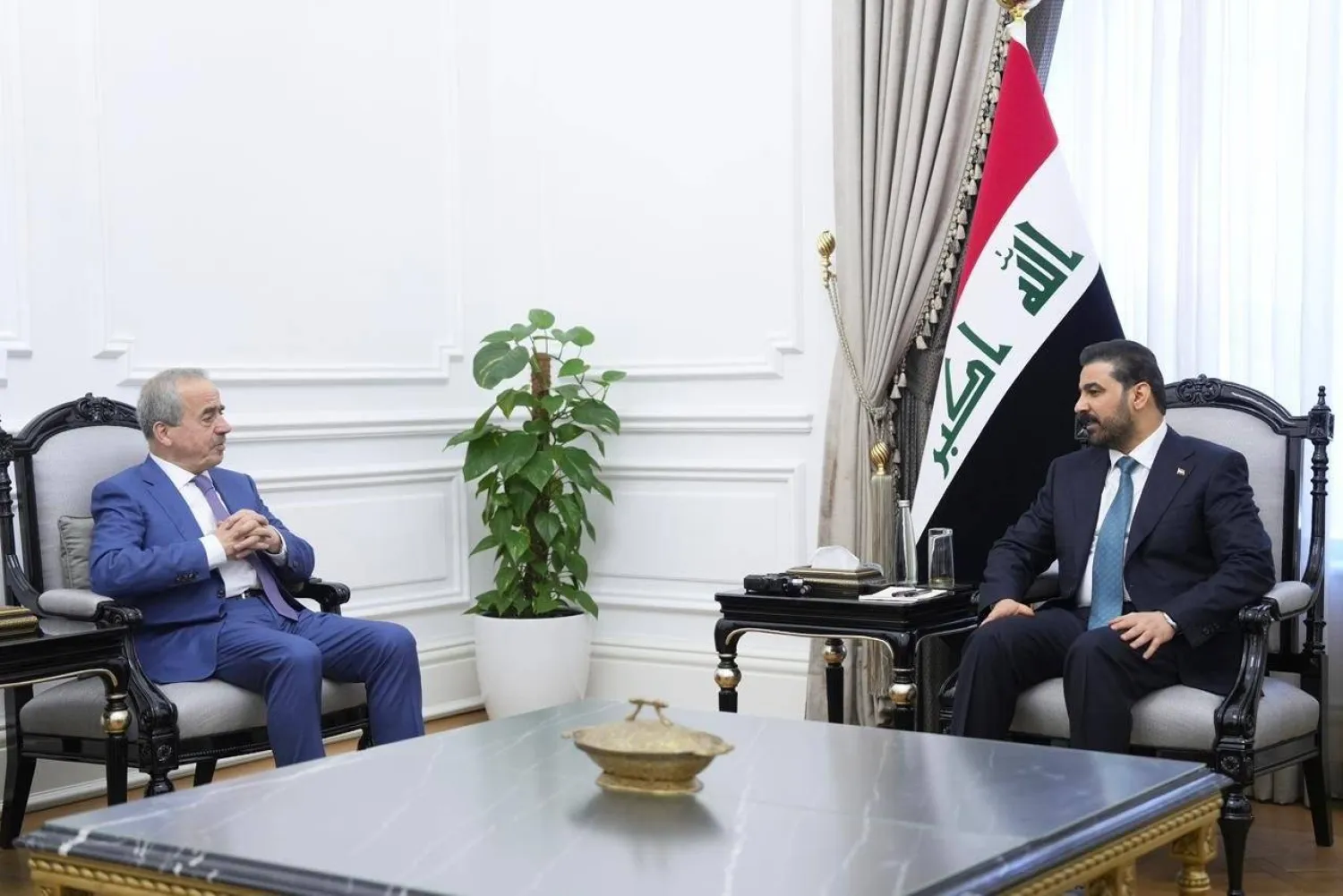

Journalists live for the unexpected, especially in Iraq, where events can overtake a carefully planned interview before it even begins.
I had requested a meeting with Iraq’s new prime minister, Ali al-Zaidi, who emerged after a prolonged political contest involving two of his predecessors, Nouri al-Maliki and Mohammed Shia al-Sudani. The interview was scheduled for June 28th, so I arrived in Baghdad the day before. As it turned out, the timing could not have been better.
When al-Zaidi took office, I wondered whether he had made the biggest mistake of his life. He had built a successful career in finance and business and amassed considerable personal wealth. Why abandon that world for the unforgiving arena of Iraqi politics, and for a job in which success has often proved elusive?
From his first day in office, he appeared to be confronting two of Iraq’s most dangerous challenges: entrenched corruption, which has drained the country’s wealth, and armed groups operating beyond state control, which have exacted a heavy price on Iraq’s economy, reputation and regional and international relations.
I woke early in the Green Zone to messages saying that armored vehicles had sealed off the area overnight and restricted access. At first, I assumed it was a routine security incident. It soon became clear that something far more significant was under way.
Acting on judicial warrants, security forces raided the homes of figures who had long believed themselves beyond reach. Within hours, influential politicians, lawmakers and provincial officials had been detained for questioning over allegedly stolen public funds. The operation extended beyond Baghdad to other provinces and remained ongoing.
Al-Zaidi launched his tenure by giving up his salary and official allowances, declaring that he would accept no gifts, “not even a necktie.” In Baghdad, there was widespread talk that a man accused of offering him $200 million to draw him into a corruption network was now himself under investigation.
Al-Zaidi speaks in firm, unambiguous terms. He says there will be no protection for the corrupt and “no retreat from the decision to fight corruption or from the decision to bring all weapons under state control. Both will be enforced through the law.”
He also rejects foreign dictates and tutelage, insisting that Iraq will not submit to pressure from any side. When I joked that those with money seek power and those with power seek money, he replied that he was already financially secure. He said he would neither contest the next parliamentary elections nor seek a second term as prime minister.
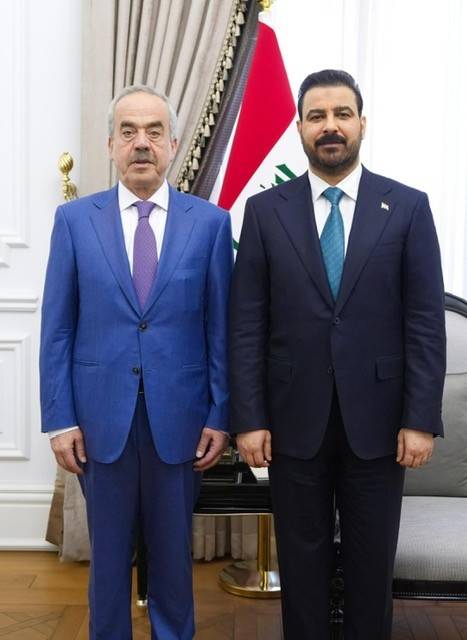
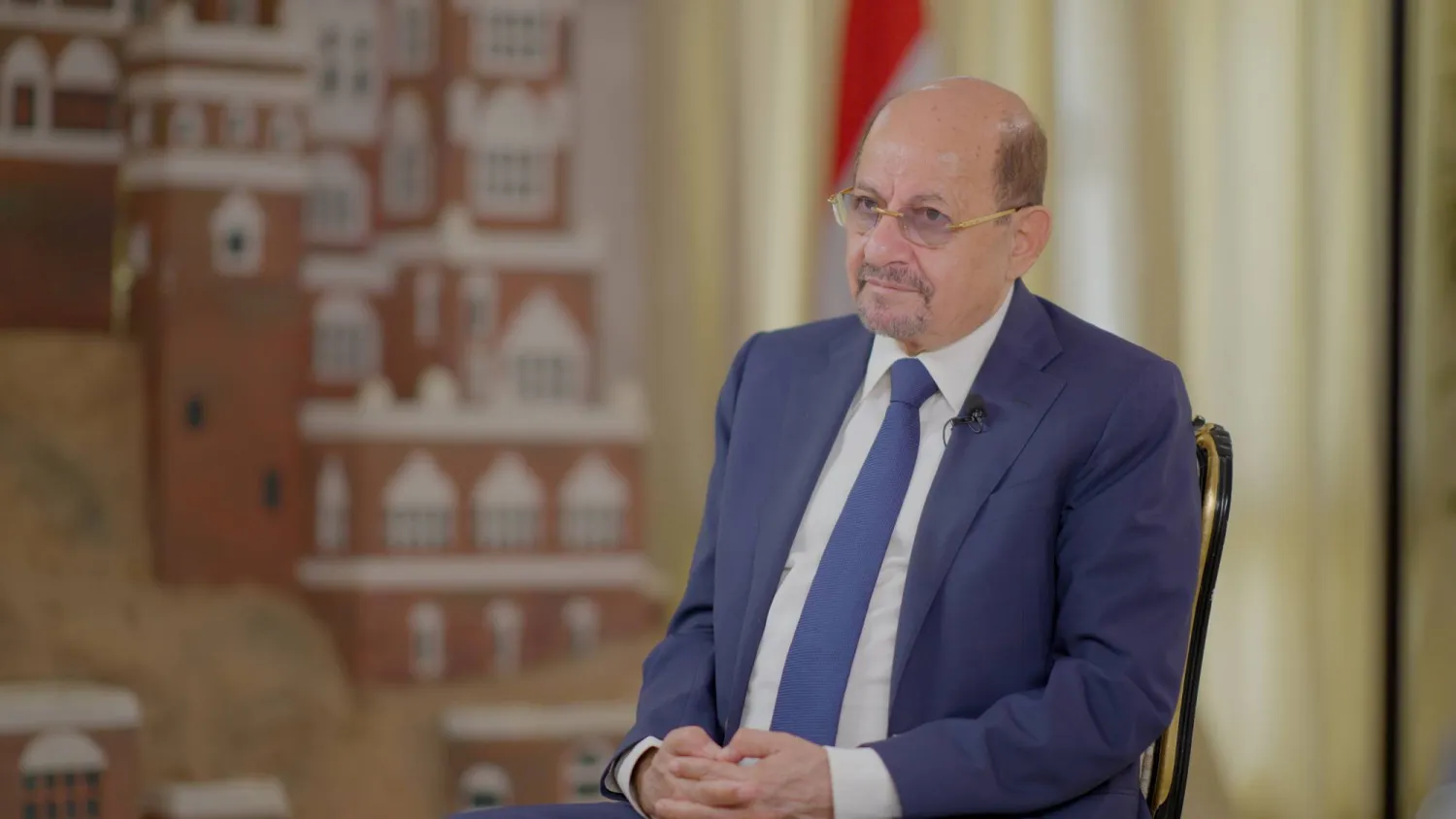
The fatigue was visible in his eyes when we met. He said he had not slept for 24 hours, having followed what Baghdad residents were calling “the night the big fish were caught.”
A visit by Iranian Foreign Minister Abbas Araghchi shortened the time available for al-Zaidi’s first interview with an Arab media outlet, leaving some questions unasked.
The following is the full interview:
Is the fight against corruption an irreversible decision?
Yes. It is an irreversible decision, and it is not optional. Corruption now threatens the very existence of the Iraqi state.
Certain elements adopted the notion of entering the body of the Iraqi state for the purpose of theft rather than public service. There is no longer any place for such people.
Between 1980 and 2003, Iraq’s wealth was devoted to sustaining wars, followed by the years of sanctions. Iraqis were therefore unable to enjoy their country’s wealth for 23 years.
From 2003 until the current year, 2026, another 23 years have passed. You are well aware of what happened in Iraq during this latter period.
A deviant system of thought emerged, centered on competing to loot and steal. We are in the process of ending this system, writing a new page for Iraq and closing that chapter.
Does this mean that you have decided to close the chapter on corruption?
Yes. There will be no place for corruption and no place for arms outside the state.
At the end of this year, we will announce a “National Sovereignty Conference” that will enshrine the exclusive possession of force by the state and its institutions.
No party will be permitted to carry weapons outside the framework of the state, and Iraqis will finally enjoy their country’s wealth.
We face two paths. We can either accommodate the interests of certain individuals and lose the approval of God Almighty and of the people, or we can remove those individuals.
Today, we will instruct the minister of finance to open a special account to recover Iraq’s funds from those involved in corruption. They must return the money.
Those who refuse to return it will face a different response from us. We will pursue settlements with those who return corruption proceeds, while safeguarding the rights of the Iraqi people in accordance with the law. The proceedings will remain confidential.
I have made this intention sincerely before God. We carry a debt toward Iraq.
What is that debt?
This country, Iraq, has bestowed its blessings and wealth upon us. How could we have become what we are without Iraq?
It is now our duty to repay that debt.
That is why I announced that I would not receive a salary and would not accept a gift, even if it were a necktie. My hand will not touch public money.
Should I act otherwise, I hope I receive what I deserve. I imposed this pledge upon myself to prevent any possibility of change. The highest limit of my ambition is to earn God’s approval and bring happiness to Iraqis.
Will you continue the anti-corruption campaign, regardless of the cost?
I regard death as a meeting with God Almighty, and it is the least we can offer Iraq.
I have announced that I will not run for another term and will not establish a political party.
I am determined, however, that the whole world should come away with an image of Iraq as a true source of leaders and that Iraqis are capable of governing this ancient country.
I will not permit dictates from beyond Iraq’s borders, whether from the East or the West. Iraq’s decision belongs to its people and is expressed by parliament, and the government must implement that decision.
So your slogan is “Iraq first.” No major powers and no regional powers?
Absolutely. Iraq comes first. Nothing comes before Iraq for us.
The interests of Iraqis are my top priority. It is in our people’s interest to build distinguished relations with the international community, neighboring countries, and the Arab Gulf states. Iraq is a state, not a village.
Prime Minister, during the recent war with Iran, Iraq’s relations with the Gulf Cooperation Council states became strained because some attacks on Gulf targets were launched from Iraqi territory...
Specialized committees were formed to verify this matter. We are also awaiting evidence from the relevant authorities in the Gulf states, and we will act accordingly.
We ordered an investigation and instructed all security commanders to confront any attempt to use Iraqi territory to attack neighboring countries.
I urge, however, that the present not be judged through the lens of the past. We found this situation already in place when we assumed responsibility.
You have plans to visit Washington in the middle of next month. There will certainly be other visits as well...
We have received numerous invitations to visit brotherly and friendly countries, including France, Britain, and Germany.
The visits that will take priority because of the importance of joint work will be to the Republic of Türkiye, the Islamic Republic of Iran, and the Kingdom of Saudi Arabia, following the visit to Washington.
What do you expect from the Washington visit? Are we exaggerating if we say that Iraq is passing through a suffocating financial crisis?
That description is inaccurate. State employees’ salaries are secured and are being paid regularly. We are extremely keen to ensure that.
When our government took office, total debt stood at around 208 trillion Iraqi dinars. The budget depends on oil for 93 percent of its revenues, while non-oil revenues account for 7 percent.
My view of the Iraqi economy is that it is witnessing a struggle between two different spheres: an old economy that refuses to die and a modern economy whose birth is proving difficult.
Our economic philosophy is to move forcefully toward a market economy and free ourselves from the old economic model. That is the theoretical aspect.
In practical terms, however, we face a large body of conflicting legislation. We have old resolutions dating back to the dissolved Revolutionary Command Council that were drafted according to a socialist mentality that is no longer effective.
The Iraqi constitution, by contrast, is founded on economic freedom.
We have launched a major effort to change inherited legislation. The cabinet will complete this work in the coming days and send it to parliament.
We are also moving ahead with the establishment of an Energy and Development Fund, to which the Central Bank of Iraq will contribute. It will be offered for public subscription.
We will invite Saudi Arabia, the United Arab Emirates and Qatar to participate in the fund. We will also invite US and European funds and banks.
The fund will focus on development, industry, agriculture and all the sectors needed by our people.
How did your government manage public finances during the crisis caused by the closure of the Strait of Hormuz? Did you rely on borrowing from the Central Bank and drawing down reserves?
We discounted bills of exchange and borrowed from commercial banks and the Central Bank of Iraq.
Iraq’s position toward OPEC has generated considerable controversy. It is clear that Iraq wants a larger production quota. How do you balance increasing production with preserving oil prices?
I would like to address those concerned at OPEC.
Iraq entered a war in 1980. After eight years, it emerged with debts exceeding $100 billion.
It later became involved in the occupation of Kuwait and emerged with debts exceeding $200 billion.
After 2003, terrorism took root on our territory, and we suffered from instability.
Iraqis then fought the terrorist organization ISIS, not only in defense of Iraq but on behalf of the entire region.
Had ISIS managed to seize Iraq, the national security of neighboring countries and the wider region would have been threatened.
That war caused nearly $400 billion in infrastructure losses. To this day, thousands of Iraqis have not returned to their home areas and destroyed houses. This reality must be taken into consideration.
Iraq’s population has also reached 47 million, while our quota stands at 3.4 million barrels per day.
These facts must be incorporated into the criteria used to determine and distribute OPEC quotas.
We are therefore seeking a fair mechanism of distribution that does not prejudice the rights of Iraq and the Iraqi people.
Some forecasts suggested that Iraq might enter a borrowing program with the International Monetary Fund or the World Bank. Is that possibility still under consideration?
With the resumption of navigation and exports through the Gulf and the reopening of the Strait of Hormuz, those financial options have been abandoned. There is no longer any need for them.
Washington withheld shipments of physical dollars to Iraq for certain reasons. Do you expect this problem to be resolved with the US president?
They were precautionary measures and were not intended as leverage in return for specific demands.
There were concerns regarding physical cash. We explained to the US side the mechanisms and channels through which these funds move.
The issue has been resolved, and the cash shipments have arrived.
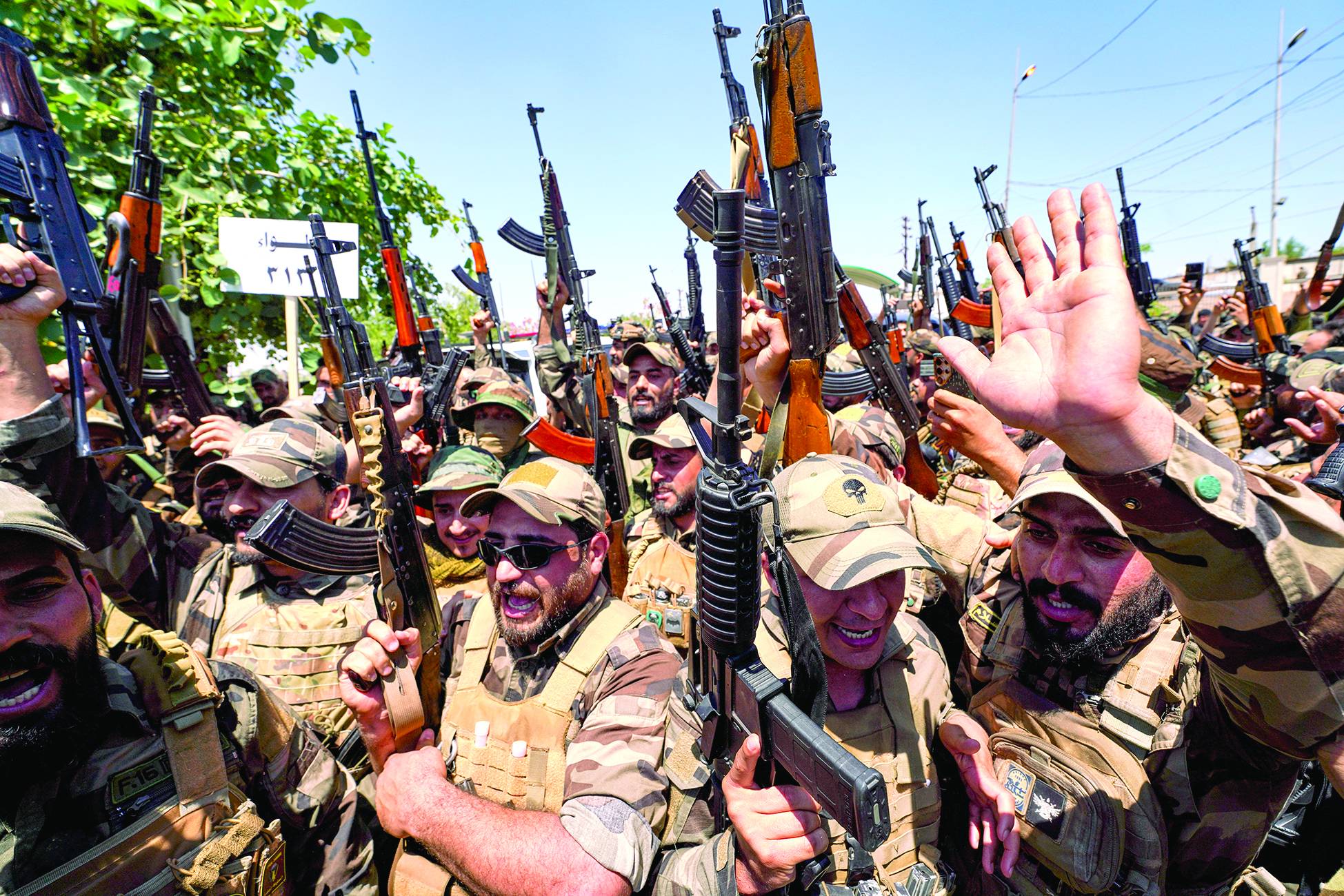
Has the government negotiated with factions that reject confining arms to the state? What if their rejection becomes final after the withdrawal? Would the government be forced to confront them?
Let us state this clearly: there is no force other than the force of the state, and we will use the force of law to impose it.
There will be no weapons other than the weapons of the state.
Some view the plan to confine arms to the state as little more than a symbolic measure adopted to accommodate political forces.
If we listen to the skeptics, we will never reach a result.
As for the factions, they are ideologically driven groups. We believe that their publicly declared acceptance of giving up their weapons is an important and significant beginning.
In reality, we have received various types of weapons from Saraya al-Salam, Asaib Ahl al-Haq and Kataib Imam Ali.
More important than the handover of weapons, however, is severing the relationship between a faction and the fighters under its command.
The weapons of these factions are now effectively in the custody of the state. Only a small quantity remains.
A mechanism will soon begin for handing over the remaining weapons to the armed forces.
This file will be addressed in its entirety. Nothing is stronger than the state.
We believe that resistance is a necessity, not a profession, and the need for it has ended.
We will not accept the existence of a state within the state.
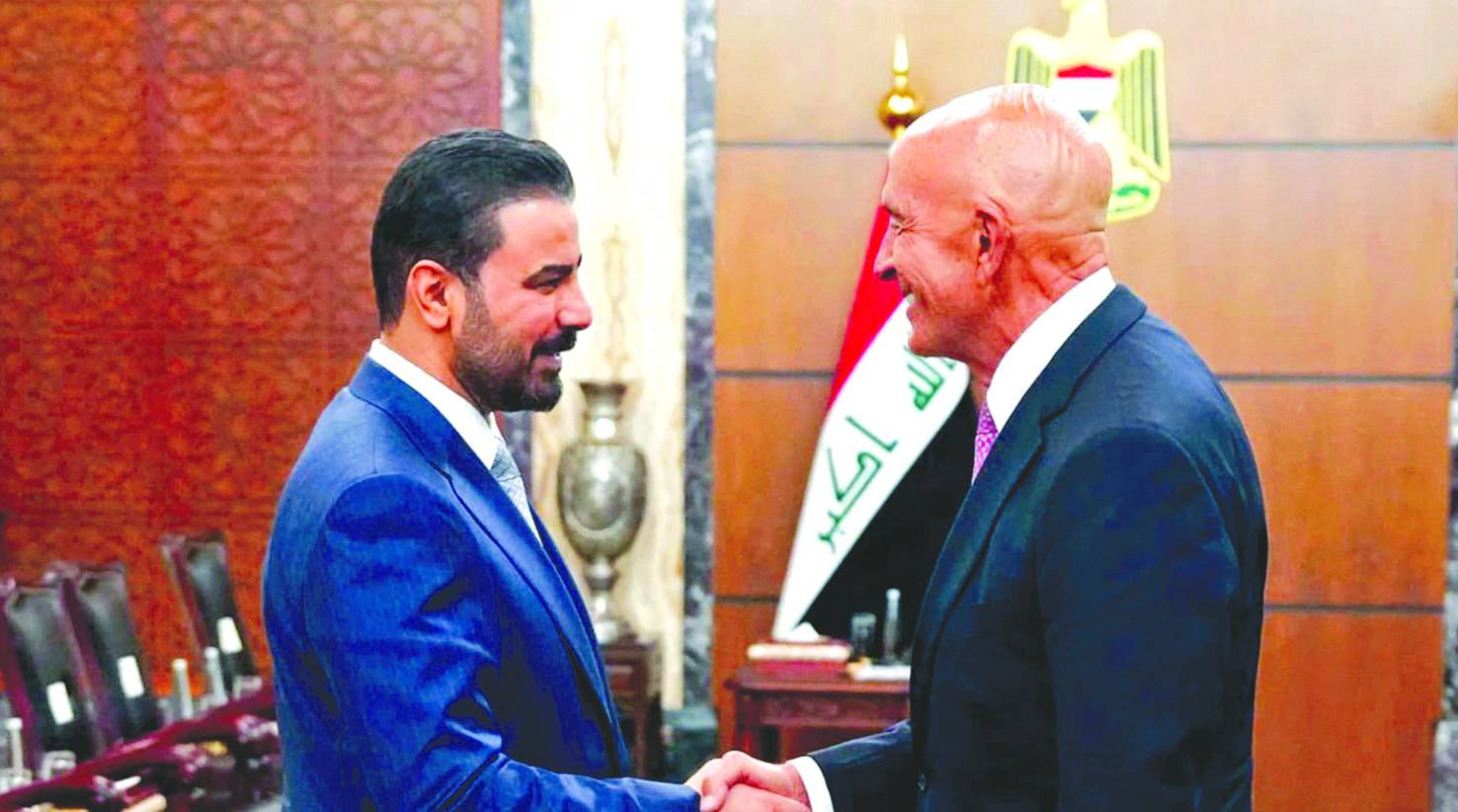
What did US envoy Tom Barrack ask of you?
He made no demands.
We discussed the suspension of operations by some US companies because of bureaucratic obstacles, and we facilitated the procedures needed by those companies.
Do you believe that the United States is genuinely prepared to support your government’s plans?
I have spoken by telephone with President Donald Trump once.
Yes, we sensed a willingness to provide support. Naturally, we place Iraq’s interests first in every step we take.
Some have accepted concessions because they had financial objectives. That is not the case with us.
Prime Minister, have the political forces pledged to facilitate your mission?
Yes, certainly.
I had previously been offered the premiership twice and turned it down on both occasions.
Is there a person who had a particular influence on you?
Yes. I was deeply influenced by my late father, who always took me with him.
He detested injustice and warned me against angering the Lord, who does not accept injustice against His servants.
How would you describe your relations with Syria and President al-Sharaa?
They are moving toward becoming good relations.
The foreign minister will visit them soon, and President al-Sharaa called to congratulate me.
We are moving toward greater economic openness and cooperation for the benefit of our two brotherly peoples.