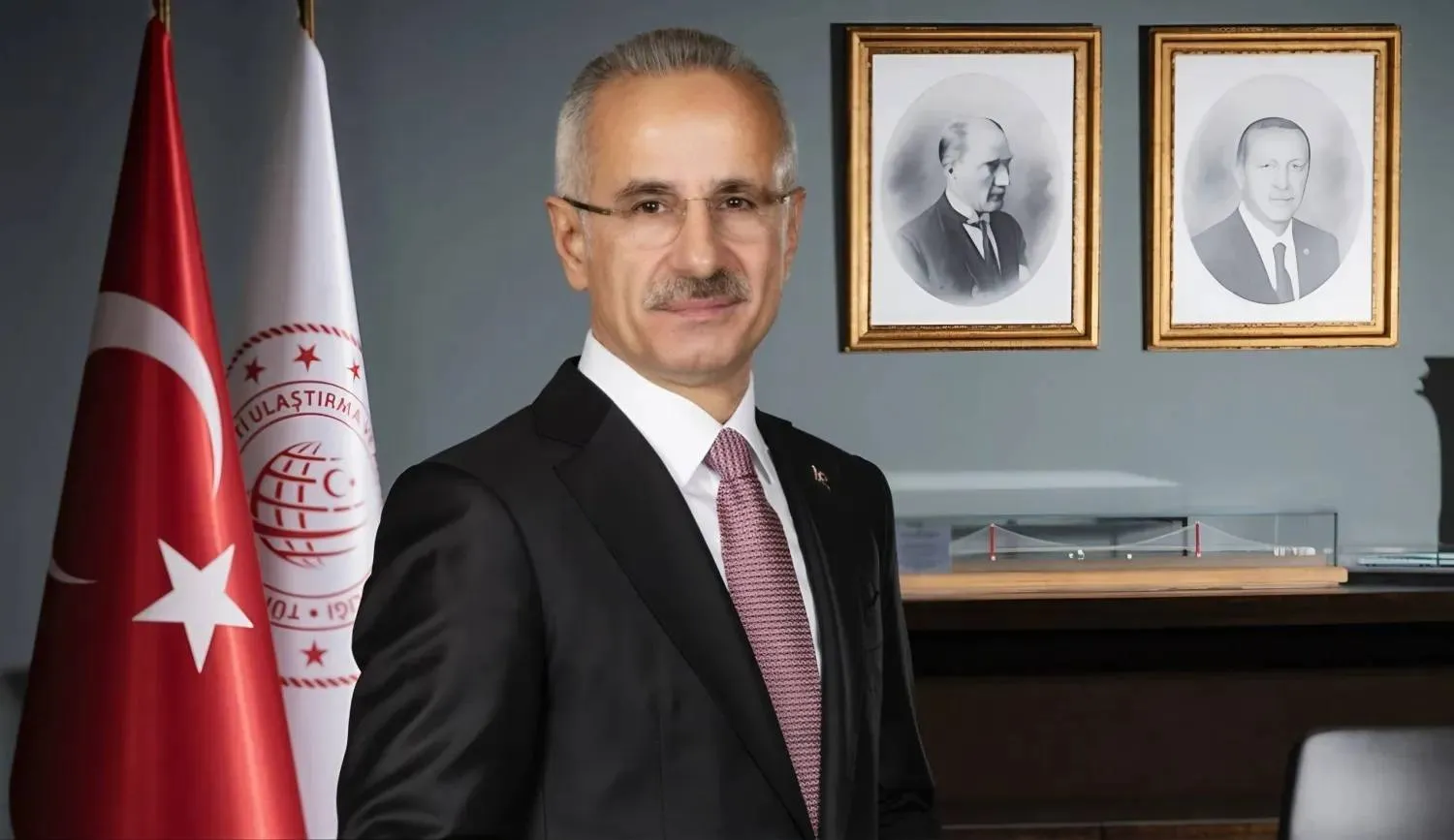

Türkiye aims to finalize costs, investment needs and financing arrangements for a strategic rail corridor linking Saudi Arabia and Türkiye by the end of 2026, Turkish Transport and Infrastructure Minister Abdulkadir Uraloglu said.
Uraloglu told Asharq Al-Awsat that technical teams were completing detailed studies for the project, which he said had strong backing from Saudi Crown Prince Mohammed bin Salman and Turkish President Recep Tayyip Erdogan.
He said Türkiye had reached understandings with Jordan and Syria to rehabilitate about 400 km (250 miles) of damaged rail infrastructure and position the route as a secure alternative for Gulf and global supply chains amid tensions around the Strait of Hormuz.
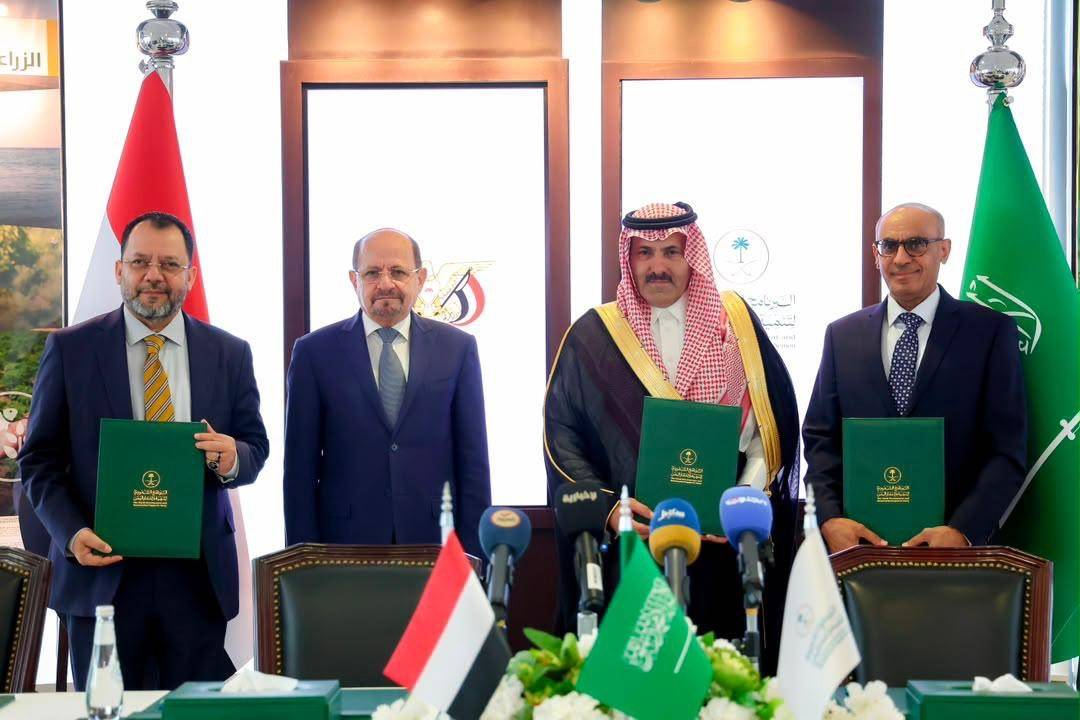
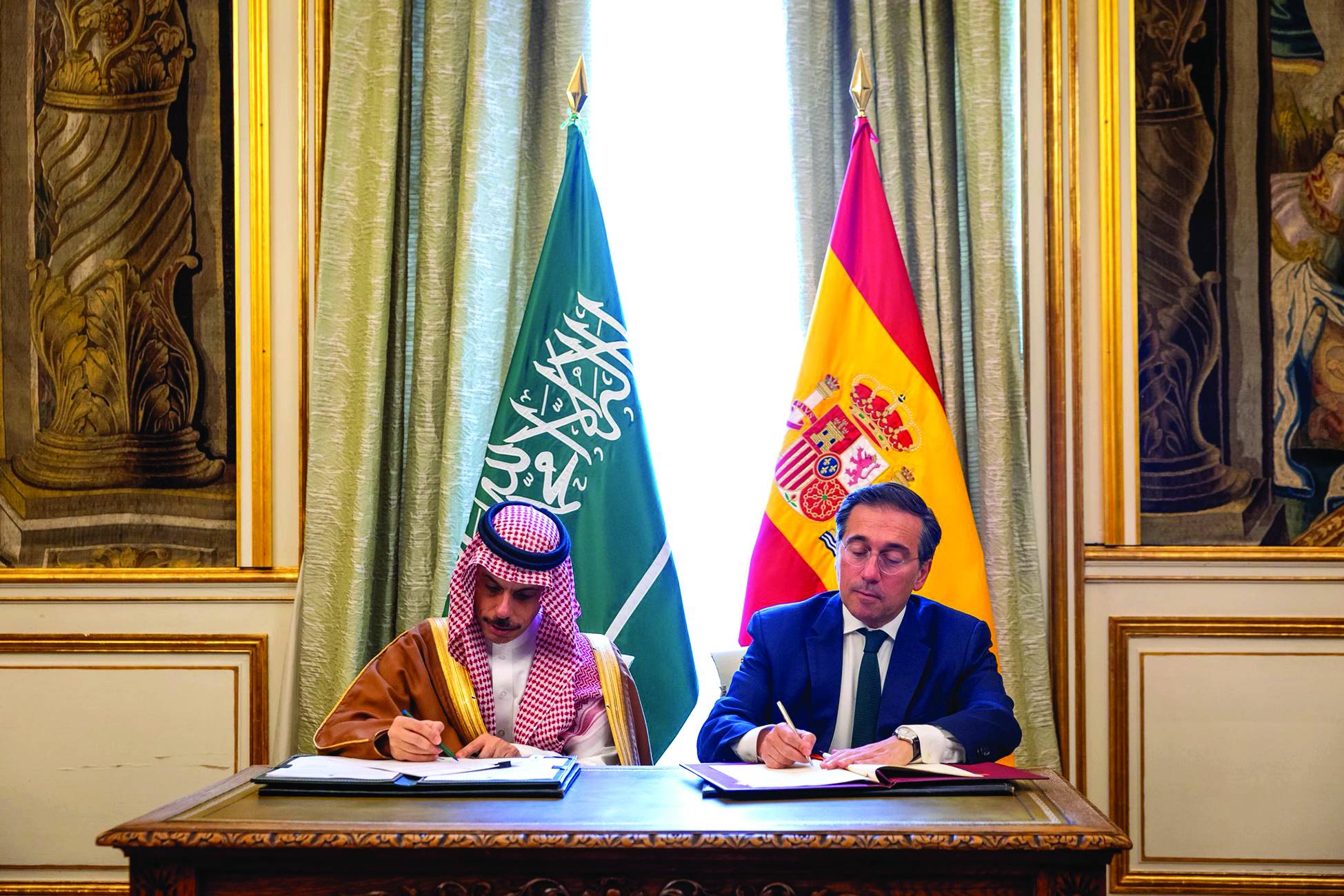
The minister said the corridor could become a new trade link between the Gulf and Europe, supporting regional connectivity and integrating with broader transport networks. Saudi Arabia and Türkiye signed memorandums of understanding on railways and logistics earlier this month.
Facilitating border crossings and passport procedures
On the passport and border-crossing procedures between the two countries, the Minister said: “At this stage, our priority agenda is the establishment of physical infrastructure and the completion of missing links. However, since we are also considering this line in the long term not only for freight transport but also for passenger transport, border-crossing processes are also important.
"Our objective is to establish a safe, fast and effective system. In this regard, we have introduced certain new arrangements. We extended the duration of driver visas from 15 days to 1 year. We also ensured that the required documents were rearranged in a way that allows faster procedures. Therefore, we are rapidly carrying out improvements in passport and border crossings.”
Uraloglu said the project's final implementation model and participating companies would be determined once the ongoing technical studies are completed. He said Türkiye has some of the world's strongest engineering and construction capabilities in the transport sector and, if the project proceeds as planned, Turkish firms are expected to play a leading role in the transcontinental corridor.
The Jordan-Saudi Arabia and Syria-Türkiye Railways
On the Jordan-Saudi Arabia and Syria-Türkiye sections of the proposed rail corridor, Uraloglu said: “We are currently in the period during which technical studies are being carried out most intensively. Our technical teams continue their examinations. It is being determined in which sections renewal will be carried out, which parts will be rebuilt and how much investment will be needed.
“Our primary objective is to clarify the needs along the route and the works that need to be carried out. If we can advance the process as planned, a more concrete framework regarding costs, investment needs and the financing dimension will have emerged by the end of the year. Afterwards, we will work together with the countries concerned on the investment program and implementation plan.”
On the projected financing size of the project he said: “At this stage, it is too early to announce a definite cost figure. First, we need to determine precisely the investments that need to be made. Once the technical studies are completed, a clearer financial picture will emerge”.
Leadership will and flexible financing alternatives
The Minister stressed that “the most important element here, even before financing, is political will. Our President, H.E. Recep Tayyip Erdoğan, and His Royal Highness Crown Prince Mohammed bin Salman have demonstrated a strong will to realize this project. For us, this is the most valuable element.
"Because once political will and a common vision are put forward, financing models can also be developed. Public resources, international financial institutions, different investment models and joint financing options can be considered.
"Therefore, our priority is to complete the technical studies and put forward a clear project. Afterwards, the financing model will be shaped as a result of assessments to be made among the countries concerned”.
Transport is a strategic security factor
In his geopolitical assessment, the Turkish minister said the pandemic, regional conflicts and global crises of recent years had underscored a clear and unambiguous reality, “transport corridors are not only economic instruments, but also strategic security elements. Connectivity has therefore become central to cooperation between countries.”
He noted that the sustainability of global trade, energy supply security and supply chains depends on strong transport networks.
He added: “With its strategic location at the crossroads of Europe, Asia and Africa, Türkiye stands at the center of regional and global trade networks. Saudi Arabia, for its part, stands out as one of the most important economic powers in the Gulf region. Therefore, cooperation between the two countries in the field of transport will not only strengthen relations between Ankara and Riyadh; it will also contribute to the trade and logistics structure of a wide geography extending from the Gulf to Europe and from the Mediterranean to the Black Sea.
“Relations between Türkiye and Saudi Arabia have gained significant momentum in recent years. The strong will demonstrated by our President, H.E. Recep Tayyip Erdoğan, His Majesty King Salman bin Abdulaziz Al Saud and His Royal Highness Crown Prince Mohammed bin Salman has placed cooperation between the two countries on a much broader and more strategic footing. At the point we have reached today, we see that a common vision has emerged not only in trade and investment, but also in areas that will shape the future, such as transport, logistics, energy and connectivity.”
Beyond the rails: A technological and digital partnership
The Minister added: “In this context, we see significant opportunities particularly in the railway sector. With the Memoranda of Understanding we signed in Riyadh, we established a common basis for cooperation in many areas, including cooperation in the railway sector, the development of logistics services, transport technologies, digitalization, maintenance and operation processes, safety and security practices, and training activities.
“We are planning not only for today's needs, but also for the transport systems of the future. For this reason, we are working on new railway connections that will link the Gulf region to Europe via Türkiye. We are carrying out technical studies on a route that will start from Saudi Arabia, reach Türkiye via Jordan and Syria, and from there be integrated into the European railway network. Once this line is realized, it will be possible to transport cargo from the Gulf region to Europe more rapidly, more safely and more sustainably.
“The Memoranda of Understanding we signed in Riyadh actually cover not only technical cooperation regarding a railway line, but also a much broader perspective. Railway technologies, logistics services, digitalization, maintenance and operation processes, safety and security practices, training activities and technical knowledge sharing are among the many areas included within the scope of this cooperation”.
Regional Agreement with Syria and Jordan
Regarding the nature of the understanding with the Syrian and Jordanian sides on the railway connection, the Minister told Asharq Al-Awsat: “By its nature, this project is a regional connectivity project that concerns not only Türkiye and Saudi Arabia, but also the other countries located along the route. Our objective is to establish an uninterrupted railway corridor starting from the Gulf region and extending to Türkiye via Jordan and Syria, and from there to Europe. In this context, we have reached an understanding with both Syria and Jordan on the development of the corridor.
“Today, there is significant railway infrastructure on the Saudi Arabian side extending as far as the Jordanian border. On the Turkish side, our railway network reaches the Gaziantep, Kilis and İslahiye region. Therefore, one of the focal points of the project is the condition of the connections in the Syrian and Jordanian sections.
“The assessments conducted indicate that renewal, rehabilitation and new investments are needed in an approximately 400-kilometer section in Syria and Jordan. In some sections, improvement of the existing lines will be sufficient, while in some other sections new infrastructure investments will need to be implemented.
“For this reason, our priority is to clearly identify the current condition of the line, its needs and investment requirements. We aim to determine by the end of the year the works that need to be carried out, the costs and the applicable models.
“We see this project not only as a transport investment, but as a strategic initiative that will connect the countries of the region more strongly with one another. Syria and Jordan are also natural and important parts of this corridor. Once the corridor is completed, it will provide significant gains not only in terms of freight transport, but also in terms of trade, logistics and regional economic mobility”.
Geopolitical alternatives
According to Uraloglu, “Developments in recent years have shown us how fragile transport systems can be. We saw this during the pandemic. We saw it during regional conflicts. Most recently, developments in the Gulf region and tensions around the Strait of Hormuz once again revealed the same reality.
“With this understanding, Türkiye has been developing major projects in recent years to strengthen international connectivity. While the Middle Corridor offers a reliable and effective alternative for trade flows extending from China to Europe, the Development Road Project aims to create a new logistics backbone that will connect the Arabian Gulf to Europe via Türkiye.
“We see the Saudi Arabia-Türkiye Railway Project as one of the complementary elements of this major vision. Starting from the Gulf region and extending to Europe via Jordan, Syria and Türkiye, this line will support existing transport networks and further strengthen regional connectivity.
“This project is not only a regional initiative. When considered together with the Middle Corridor, the Development Road and other transport networks, it has the potential to affect the trade structure of a wide geography extending from Europe to the Gulf and from the Middle East to Asia. Our aim is to contribute to making global trade safer, more uninterrupted and more resilient by creating corridors that are not alternatives to one another, but complementary to one another”.
The Turkish minister went on, highlighting his country’s readiness: “Thanks to Marmaray, the Baku-Tbilisi-Kars Railway Line and other strategic investments we have implemented in recent years, we have established a strong railway connection between Asia and Europe. In addition, our investments such as the railway line that will pass over the Yavuz Sultan Selim Bridge and the Halkalı-Kapıkule High-Speed Railway Project, which is under construction, will further strengthen Türkiye's railway integration with Europe.
“On the one hand, construction of more than 4,000 kilometers of high-speed railway lines is continuing in our country; on the other hand, we are increasing the capacity of our railway corridors extending to Europe. In this way, Türkiye is becoming a much stronger hub in railway transport between Asia and Europe”.
Dimensions of integration and Europe’s gains
On expanding the network, Uraloglu said the project is taking shape in its first phase between Saudi Arabia, Türkiye, Jordan and Syria, but bilateral talks and discussions have included the possibility of extending the line in future phases to incorporate other Gulf states such as Qatar, the United Arab Emirates, Kuwait and Oman.
He stressed that the real added value of the corridor lies in its exceptional ability to connect directly to Europe’s unified railway network via Türkiye.
Regarding the geoeconomic returns for the European side, Uraloglu said Europe’s main gain lies in establishing a more direct and secure logistical and commercial link with the Gulf region, particularly as Gulf Cooperation Council states are among the most important strategic partners for the European continent in the energy, petrochemicals and diversified industrial goods sectors, in addition to the scale of major mutual investments between the two sides, making bilateral trade flows more regular and more predictable.
In addition, Europe has in recent years been seeking to make its supply chains shorter, safer and more diversified. This corridor that we are trying to develop may also be considered a new route that increases Europe's connectivity options. The issue here is not only cost; it is speed, predictability and accessibility”.
In conclusion, he told Asharq Al-Awsat that the project’s real impact on logistics costs will only be clear once the final technical design and expected traffic volumes are known. However, he expressed confidence that the project will deliver major economic and development benefits for both the region and Europe, strengthening trade, investment, and regional economic integration over the long term.