


Houthis Threaten Saudi Arabia's Security with 79 Iranian Ballistic Missiles

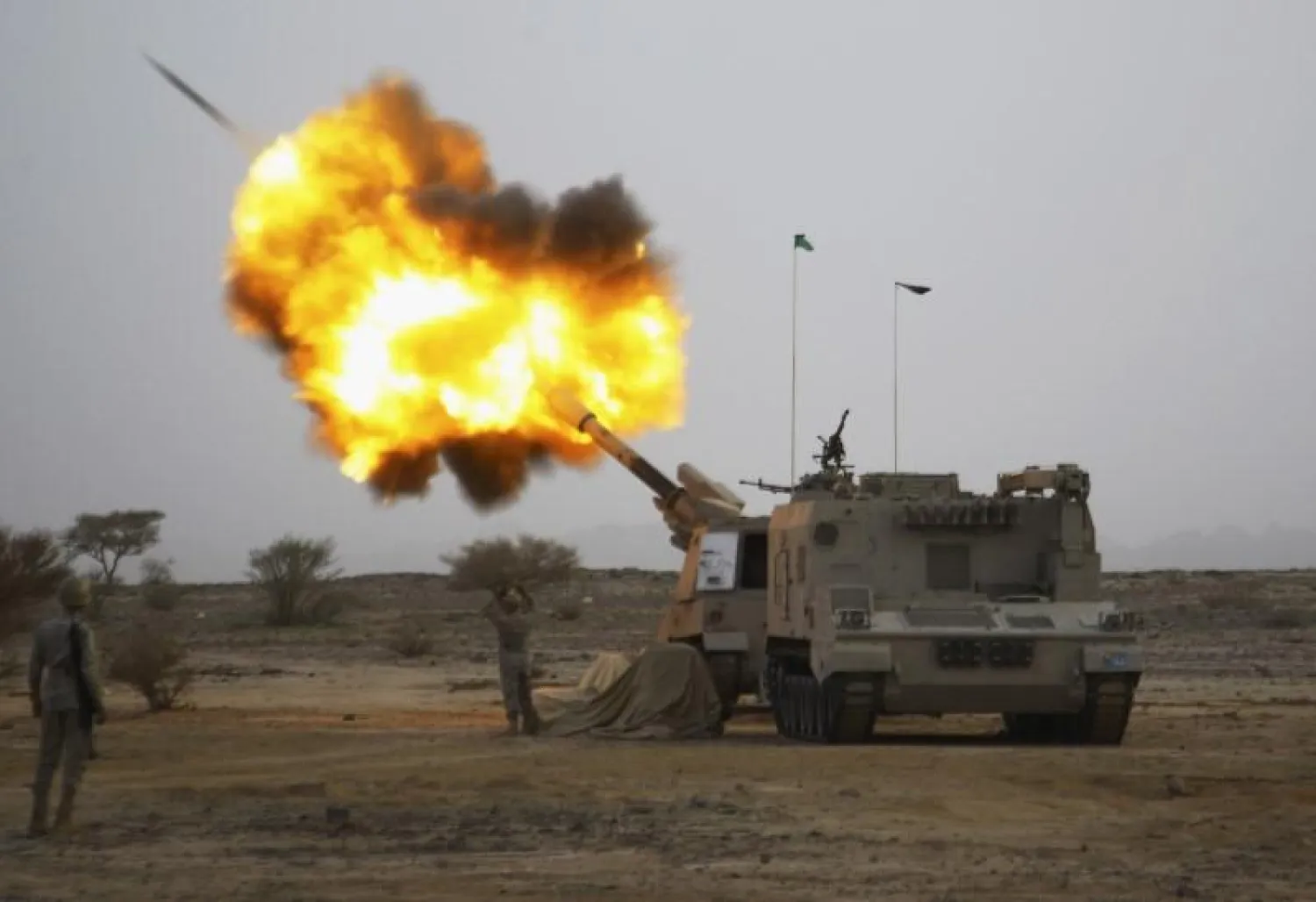
Saudi army artillery fire shells towards Houthi movement positions at the Saudi border with Yemen April 15, 2015. REUTERS/Stringer
TT

Houthis Threaten Saudi Arabia's Security with 79 Iranian Ballistic Missiles

Saudi army artillery fire shells towards Houthi movement positions at the Saudi border with Yemen April 15, 2015. REUTERS/Stringer

Houthi militias launched 70 ballistic missiles targeting the security and safety of Saudi Arabia, since the launch of the operation to restore legitimacy in Yemen, according to informed sources.

The sources told Asharq Al-Awsat newspaper that the militias launched 14 missiles towards Jazan, 9 towards Nejran, and the remaining 56 targeted several areas in the center, south, and west of the kingdom.

Even though none of the missiles succeeded in achieving their goals and were intercepted by Royal Saudi Air Defense Forces, the continuous attacks present a direct threat on Saudi Arabia's security.

Saudi Arabia officially held Iran responsible for the manufacturing of the ballistic missile launched at Riyadh few days ago, marking the most recent accusation against Tehran for smuggling missiles, dismantling, and regrouping missiles in Yemen.

Official figures showed that the attacks on the kingdom killed 95 civilians and injured 828 others. They also led to the displacement of 20,310 persons from Jazan, Nejran, and Dhahran al-Janub. In addition, Houthis launched thousands of mortar rounds, artillery, and Katyusha rockets at the Saudi southern border.

Houthi militias also targeted mosques and hospitals in southern areas, and according to officials data, 20 facilities had been hit directly including 15 mosques and the remaining 5 missiles damaged hospitals in Jazan, Nejran, and Dhahran al-Janub.

Houthis insurgents also shelled 906 schools, 31 of which were directly targeted and 875 were evacuated because of their locations in dangerous areas, thus denying about 66,000 students from their right to have access to education.

In addition, Houthis' bombs targeted 2,825 houses, 76 public facilities, 87 farms, 272 shops, and 1,397 cars.

Arab Coalition to Support Legitimacy in Yemen decided to temporary close all Yemen's air, sea and land entry points while allowing humanitarian and relief aid to enter the country.

Saudi-led coalition closed all entry points after Tehran's involvement in producing missiles had been proven. Iran smuggled missiles exceeding 900 kilometers in range to the Houthis militias aiming to target Saudi Arabia and its vital interests.

Arab coalition considered it a direct military aggression of Iran and could amount to be considered an act of war against Saudi Arabia. It reiterated the Kingdom's right to defend its people and territory in accordance with Charter of United Nations, and it asserted Saudi's right to respond to Iran's aggression at the right time and place.

Saudi-led coalition spokesman Colonel Turki al-Maliki said that the missiles provided provided by Iran to Houthis were backed by Iranian experts and with the support of Lebanese Hezbollah.

The spokesperson said that those militias are trying to control Bab el-Mandeb which is a dangerous threat to the regional security and stability and international navigation.

Earlier, Saudi Arabia announced a list of 40 names of militia leaders and elements responsible for planning, executing and supporting various terrorist activities by Houthi terrorist group. The Kingdom also announced financial rewards of over $430 million for information leading to their arrest or whereabouts.

The list included president of Political Council Saleh Ali al-Sammad, head of Revolutionary Committee of the Houthi armed militia Mohammed Ali Abdulkarim al-Houthi, Zakaria al-Shami, Abdullah Yahya al-Hakim, Abduqalik Bader al-Houthi, Mohammed al-Atifi, Yousef Ahssan al-Madani, Abdulqader al-Shami, Abdurab Jurfan, and Yahya al-Shami where a reward of $20 million had been allocated to anyone who gives information leading to their arrest.


Crown Prince of Kuwait Meets with GCC Secretary-General

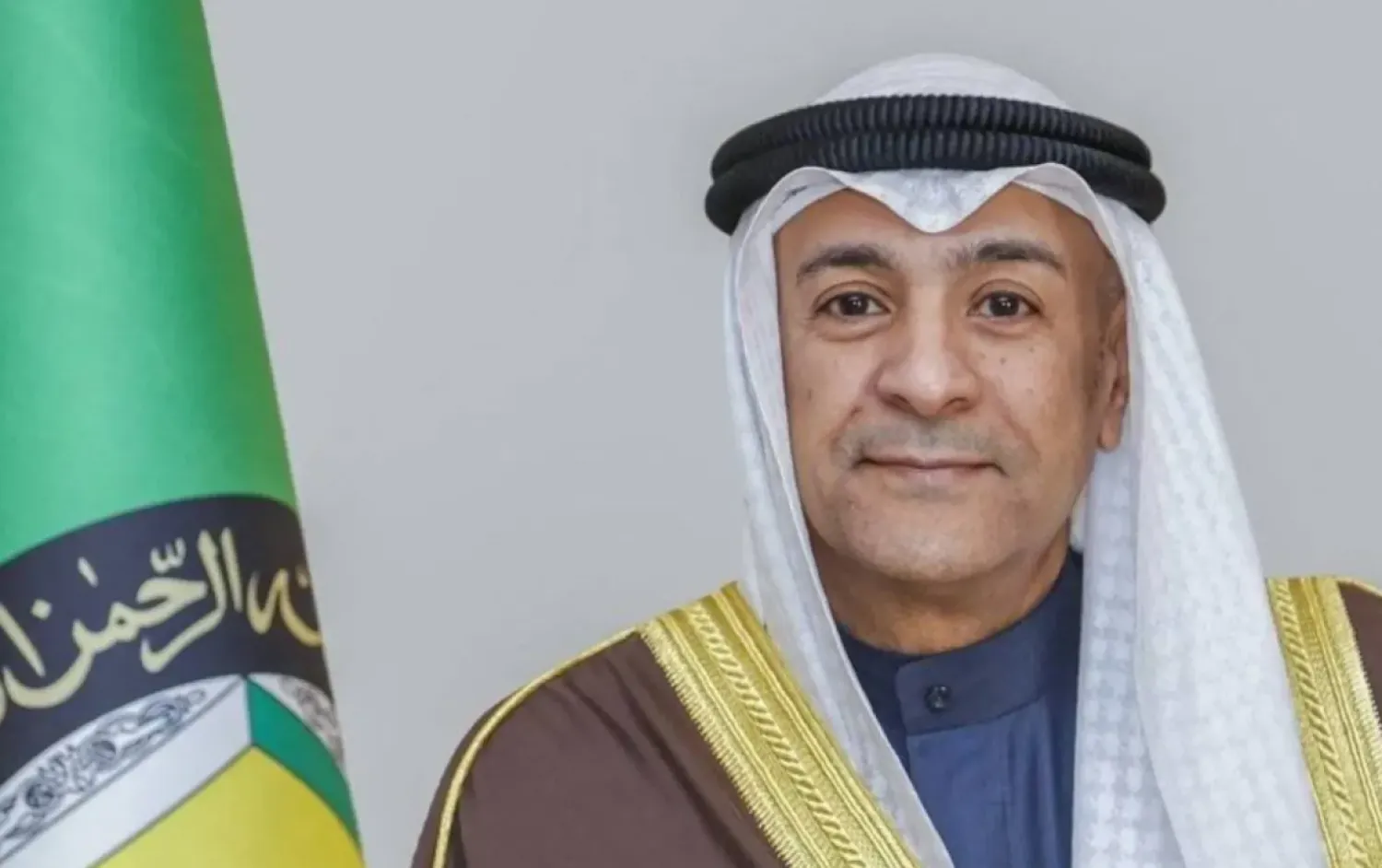
Secretary General of the Gulf Cooperation Council Jasem Mohamed Albudaiwi. GCC
TT

Crown Prince of Kuwait Meets with GCC Secretary-General

Secretary General of the Gulf Cooperation Council Jasem Mohamed Albudaiwi. GCC

Kuwaiti Crown Prince Sheikh Sabah Khaled Al-Hamad Al-Sabah met with Secretary-General of the Gulf Cooperation Council (GCC) Jasem Albudaiwi on Monday at the Bayan Palace in Kuwait.

Albudaiwi presented a comprehensive report to Sheikh Sabah regarding Kuwait’s presidency of the 45th session of the GCC Supreme Council, and expressed his appreciation for the generous support and steadfast commitment Kuwait provides to the GCC's journey, SPA reported.

He underscored that such support serves as a powerful catalyst for continued efforts toward achieving greater integration and cooperation, ultimately fostering prosperity and well-being for the GCC member states and their peoples.


Botanical Facility Inaugurated at Saudi King Salman Royal Reserve to Boost Ecosystem Sustainability

Saudi  Minister of Interior and Chairman of the Board of Directors of the King Salman bin Abdulaziz Royal Reserve Development Authority Prince Abdulaziz bin Saud bin Naif bin Abdulaziz (R) is seen at the inauguration. (SPA)
TT

Botanical Facility Inaugurated at Saudi King Salman Royal Reserve to Boost Ecosystem Sustainability

Saudi  Minister of Interior and Chairman of the Board of Directors of the King Salman bin Abdulaziz Royal Reserve Development Authority Prince Abdulaziz bin Saud bin Naif bin Abdulaziz (R) is seen at the inauguration. (SPA)

Saudi Minister of Interior and Chairman of the Board of Directors of the King Salman bin Abdulaziz Royal Reserve Development Authority Prince Abdulaziz bin Saud bin Naif bin Abdulaziz inaugurated a central nursery and wild seed research and production station in Al-Jouf, reported the Saudi Press Agency on Monday.

The project aims to boost vegetation cover and sustainability within the reserve. Spanning 1,600 hectares, the project includes advanced botanical facilities, including parent seed fields, seed storage, nurseries, and a wild plant garden, to support local seed and seedling production.

The parent seed fields consist of 14 areas with over 400,000 trees and shrubs from more than 30 local species.

The central nursery covers 60,000 square meters and contains 30 greenhouses, with an annual production capacity of 1.5 million seedlings across 15 plant species. The project boasts a botanical garden spanning 12,000 square meters, featuring over 280 species of trees, shrubs, and perennial grasses.

The central nursery and seed station have contributed to planting over four million seedlings and dispersing more than 8,000 kilograms of seeds across 10 locations within the reserve, resulting in five million wild plants. This reflects the reserve’s commitment to restoring ecosystems and expanding vegetation cover.


Saudi-Tunisian Joint Committee Kicks Off 12th Session in Riyadh

Alkhorayef stressed that the convening of the 12th session comes at an important time that requires intensified coordination in growth-driving sectors - SPA
TT

Saudi-Tunisian Joint Committee Kicks Off 12th Session in Riyadh

Alkhorayef stressed that the convening of the 12th session comes at an important time that requires intensified coordination in growth-driving sectors - SPA

The 12th session of the Saudi-Tunisian Joint Committee kicked off Sunday in Riyadh, organized by the Ministry of Industry and Mineral Resources and bringing together representatives from government entities of both countries to discuss opportunities for expanding cooperation and developing strategic partnerships across various economic and development sectors.

The committee session was co-chaired by Minister of Industry and Mineral Resources Bandar Alkhorayef and Tunisian Minister of Economy and Planning Dr. Samir Abdelhafidh, attended by official delegations and government sector representatives from both countries, SPA reported.

In his opening remarks, Alkhorayef emphasized the strength of Saudi-Tunisian relations and the brotherly and economic ties between the two countries, which span more than 70 years. He noted that these ties are reflected today in shared visions and ambitious work programs that align with the aspirations of both countries’ leaderships and peoples, as well as their mutual interests.

He pointed out that the Saudi-Tunisian Joint Committee, launched in 1998, represents an institutional framework aimed at translating cooperation into executable programs and initiatives. He expressed his hope that this session would serve as a new starting point for joint strategic projects and more impactful agreements that contribute to the economic development of both countries.

Alkhorayef stressed that the convening of the 12th session comes at an important time that requires intensified coordination in growth-driving sectors. The minister called on companies in both countries to build practical partnerships in promising industries and value chains. He also highlighted the outcomes of the third meeting, held in Tunisia in July 2025, namely the agreements on mutual recognition of product conformity certificates, which positively contributed to a 38% growth in trade exchange through September 2025 compared with the same period last year.

The committee’s current session focused on boosting cooperation mechanisms, discussing investment opportunities, and exchanging expertise in key sectors, including industry, mining, tourism, transport and logistics, and the judiciary and justice sectors. These efforts aim to enhance trade efficiency, support the access of Saudi products to international markets, and strengthen economic and investment cooperation.