


US Condemns Houthi Attacks Launched at Saudi Arabia

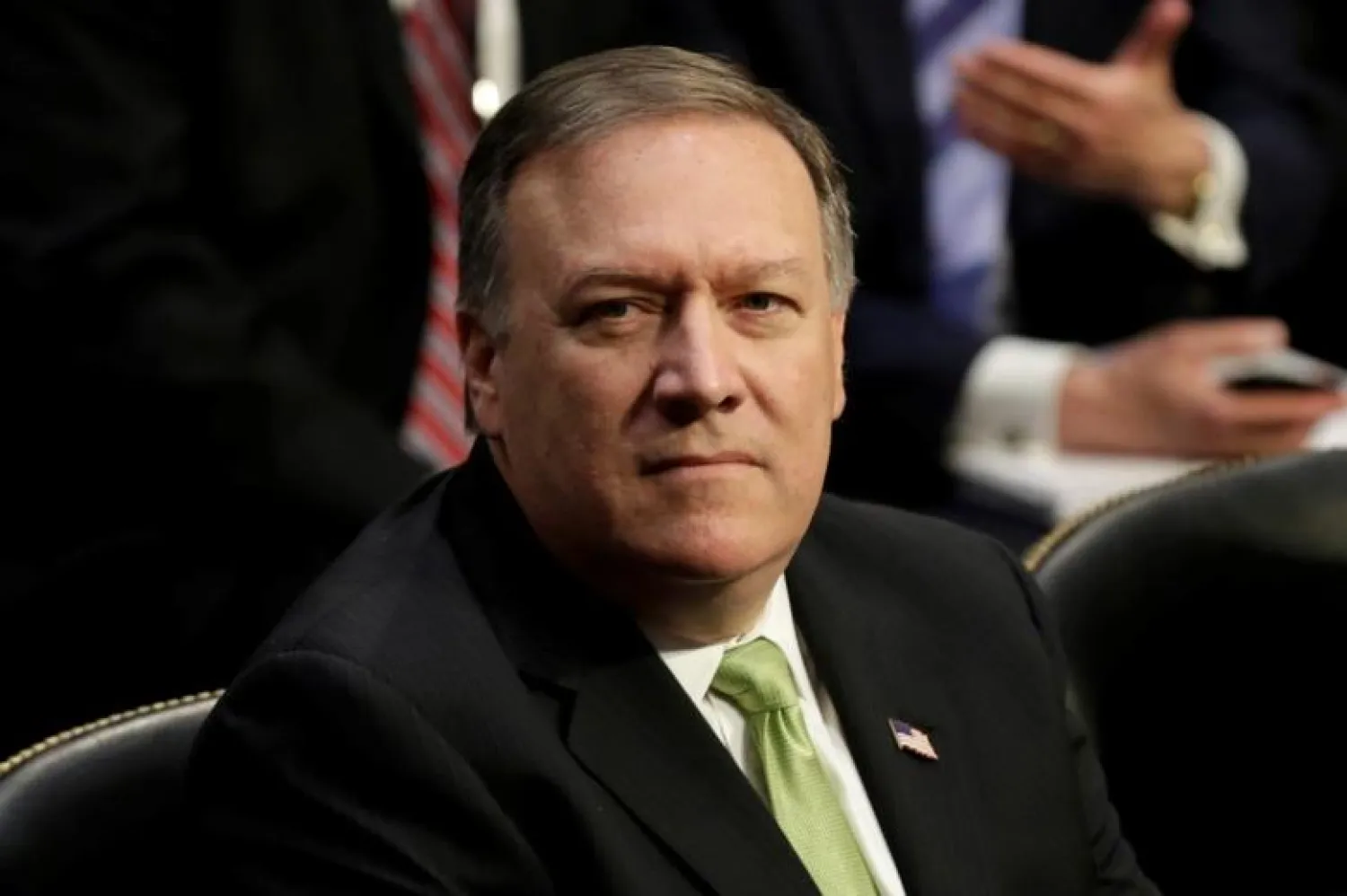
US Secretary of State Mike Pompeo, pictured here on Capitol Hill in May 2017. REUTERS/Yuri Gripas
TT

US Condemns Houthi Attacks Launched at Saudi Arabia

US Secretary of State Mike Pompeo, pictured here on Capitol Hill in May 2017. REUTERS/Yuri Gripas

US Secretary of State Mike Pompeo on Thursday condemned attacks launched by Yemen’s Iran-backed Houthi militias on Saudi Arabia and accused the group of not being serious about peace.

“For years, Saudi Arabia has endured these types of reckless attacks and for the past week, these attacks have occurred almost daily,” he said in a statement.

“This irresponsible escalation coincides with the Houthis’ declared desire to strengthen their ties with Iran,” Pompeo added.

“Just this month, the Iranian regime smuggled Hassan Eyrlou, a member of the terrorist Islamic Revolutionary Guard Corps (IRGC), into Sanaa, Yemen’s Houthi-occupied capital,” he noted, adding that Eyrlou now calls himself “ambassador.”

“These acts demonstrate that the Houthis are not serious about seeking a political solution in order to bring peace to Yemen,” Pompeo said.

He also reiterated US calls for Iran to stop smuggling weapons to the Houthis in violation of UN Security Council resolutions and to stop enabling their aggressive acts against Yemen and towards its neighbors, including Saudi Arabia.

The Arab Coalition has announced that it thwarted a series of Houthi attacks staged with drones and ballistic missiles.

"The coalition's air defenses shot down six explosives-laden drones that were deliberately fired by the Houthi militia on Wednesday to target civilian facilities in Saudi Arabia,” Coalition Spokesman Col. Turki al-Malki said.

“The Saudi naval and air defense forces possess high professionalism in dealing with these attacks. The Iran-backed terrorist Houthis are ramping up such attacks because of the hopeless and miserable situations and losses on the ground in Marib and al-Jawf,” al-Malki told Al Arabiya early on Thursday.

He confirmed that Houthi reinforcements have been eliminated in Marib and al-Jawf, and more than 300 militia members have been killed recently on those two fronts, adding that the insurgents are unable to achieve any victory or advancement in al-Jawf.

Al-Malki said that “the orders of the Iranian Revolutionary Guards are clear in occupied Sanaa,” and that “the relationship between the Houthi militia, al-Qaeda, and ISIS is known.”

“The Arab Coalition is a coalition made up of several countries that work according to international humanitarian laws. We believe in the role of the political process in finding a solution to the Yemeni conflict,” he told Al Arabiya.

Saudi Arabia Says Hantavirus Risk to Kingdom Is ‘Very Low’

A test tube labelled "Hantavirus negative" is held in this illustration taken May 7, 2026. REUTERS/Dado Ruvic/Illustration
TT

Saudi Arabia Says Hantavirus Risk to Kingdom Is ‘Very Low’

A test tube labelled "Hantavirus negative" is held in this illustration taken May 7, 2026. REUTERS/Dado Ruvic/Illustration

Saudi Arabia’s Public Health Authority (Weqaya) said Friday it is closely monitoring, in coordination with international health organizations, reports of hantavirus cases linked to a cruise ship in the Atlantic Ocean.

In a statement, the authority said the current assessment indicates a low level of risk and that the likelihood of the virus reaching Saudi Arabia is “very low,” given the effectiveness of the Kingdom’s early warning channels, epidemiological surveillance tools, food safety monitoring systems, environmental public health controls, border monitoring measures, and preventive procedures in place across the country.

The statement said hantavirus is considered a rare viral disease, but infection can be serious. The virus is typically transmitted to humans through exposure to infected rodents’ secretions, including urine, feces, or saliva, or through inhalation of contaminated particles.

The authority added that human-to-human transmission is uncommon and has been documented only in limited cases linked to a specific strain of the virus and involving prolonged close contact.

Hantavirus is usually transmitted to humans through exposure to secretions from infected rodents (Reuters)

Weqaya said the advisory comes as part of its ongoing efforts to promote public health awareness among travelers, particularly during the summer season, which sees increased travel and movement.

The authority urged the public to follow general preventive measures that help reduce the risk of infectious diseases, whether linked to hantavirus or other outbreaks.

It also advised travelers to follow official health guidance, verify preventive requirements before traveling, pay attention to food and water safety, maintain personal hygiene, avoid contact with rodents or areas where they may be present, stay away from unsafe food or unsanitary locations, and ensure appropriate health coverage during travel.

Weqaya called on the public to rely on official sources for information and avoid rumors or unverified reports, stressing that it would announce any public health developments when necessary.


Saudi, Egyptian FMs Discuss Regional Developments

Saudi Foreign Minister Prince Faisal bin Farhan bin Abdullah and Egyptian FM Dr. Badr Abdelatty. (Egyptian Foreign Ministry)
TT

Saudi, Egyptian FMs Discuss Regional Developments

Saudi Foreign Minister Prince Faisal bin Farhan bin Abdullah and Egyptian FM Dr. Badr Abdelatty. (Egyptian Foreign Ministry)

Saudi Foreign Minister Prince Faisal bin Farhan bin Abdullah held telephone talks on Friday with his Egyptian counterpart Dr. Badr Abdelatty.

They discussed developments in the region, underscoring their continued coordination and consultations over them.


Saudi Source to Asharq Al-Awsat: Kingdom Did Not Allow Use of Its Airspace for Offensive Military Operations

Dr. Rayed Krimly during a recent meeting with a French delegation in Riyadh. (Saudi Foreign Ministry)
TT

Saudi Source to Asharq Al-Awsat: Kingdom Did Not Allow Use of Its Airspace for Offensive Military Operations

Dr. Rayed Krimly during a recent meeting with a French delegation in Riyadh. (Saudi Foreign Ministry)

A Saudi source told Asharq Al-Awsat that the Kingdom has not permitted its airspace to be used in support of any offensive military operations, stressing that Riyadh is seeking de-escalation and supports Pakistan’s efforts to reach an agreement ending the war.

The source said certain parties were attempting to present a misleading picture of the Kingdom’s position for what he described as “suspicious” motives.

Meanwhile, Saudi Deputy Minister for Public Diplomacy Dr. Rayed Krimly reaffirmed the Kingdom’s position calling for de-escalation, avoiding further escalation, and supporting negotiations and efforts aimed at ending the war between Iran on one side and the United States and Israel on the other.

Krimly underscored Riyadh’s consistent position in support of de-escalation and avoiding further escalation, warning in a post on X against "media reports attributed to unnamed sources - some of whom claim to be Saudi - suggesting otherwise."

For his part, Gulf Research Center Chairman Dr. Abdulaziz bin Sager said the Saudi position had been clear from the outset and centered on “avoiding escalation and resolving disputes through political dialogue.”

Bin Sager told Asharq Al-Awsat: “We recall Crown Prince and Prime Minister Prince Mohammed bin Salman’s phone call with Iranian President Masoud Pezeshkian, during which he affirmed that the Kingdom would not allow its territory or airspace to be used in any military operations.”

A senior Saudi Foreign Ministry official had previously told Asharq Al-Awsat on March 24 that the Kingdom had already denied allegations claiming the Saudi leadership preferred prolonging the ongoing war between Iran on one side and the United States and Israel on the other.

The official added that Foreign Minister Prince Faisal bin Farhan had previously stated, during a press conference following a ministerial meeting of Arab and Islamic countries in Riyadh, that Iranian attacks must stop, that the Kingdom’s patience has limits, and that Riyadh reserves the right to respond and deter aggression through political and other measures.

According to bin Sager, Saudi Arabia’s key demands include “halting Iranian attacks, securing guarantees to end the war, preventing Iranian interference in the internal affairs of Gulf and other Arab states, as well as ensuring maritime and energy security.”

He added: “The Kingdom is seeking to lower tensions and create space for negotiations, and believes that any escalation could obstruct talks and affect the Strait of Hormuz.”

Saudi Arabia’s Permanent Representative to the United Nations, Dr. Abdulaziz Al-Wasel, said Thursday that the Strait of Hormuz is one of the world’s most vital maritime corridors for international trade and global energy security.

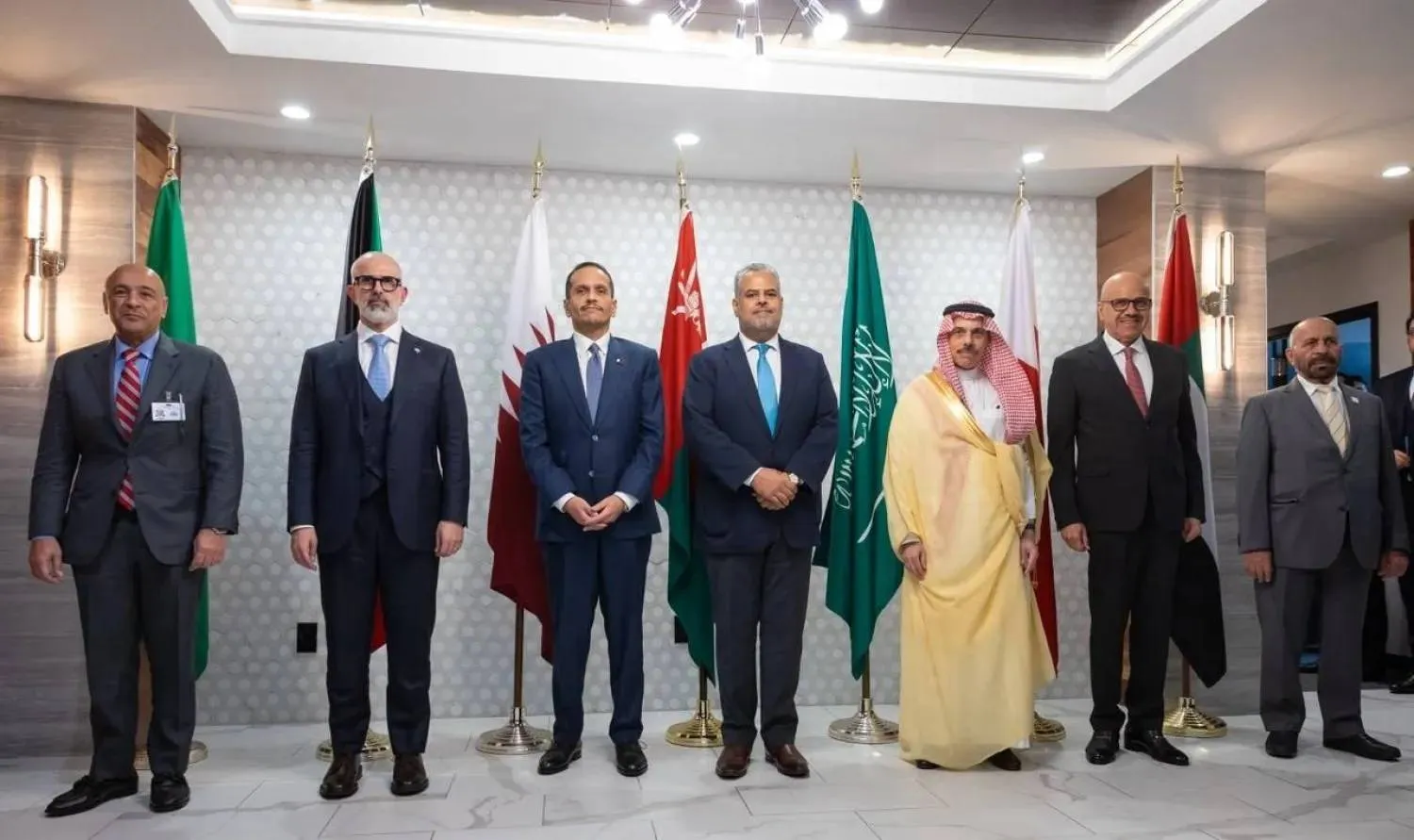
Al-Wasel made the remarks during a joint press conference in New York between the Gulf Cooperation Council and the United States regarding a draft resolution on freedom of navigation in the Strait of Hormuz.

The Saudi diplomat said any threat to freedom of navigation in the strait would directly affect the stability of global markets and international supply chains. He also warned of the humanitarian and economic repercussions of disruptions to the flow of essential goods, medical supplies, and humanitarian aid.

Al-Wasel stressed the importance of safeguarding maritime security and ensuring the safe and uninterrupted flow of international trade in accordance with international law.

He called for coordinated international action to de-escalate tensions and prevent the crisis from worsening in a way that would preserve regional and international security and stability.

The Saudi diplomat also emphasized the importance of strengthening international cooperation to protect vital maritime corridors and maintain international peace and security.