Lebanon PM Renews Call for Minister in Gulf Arab Row to 'Prioritize National Interest'

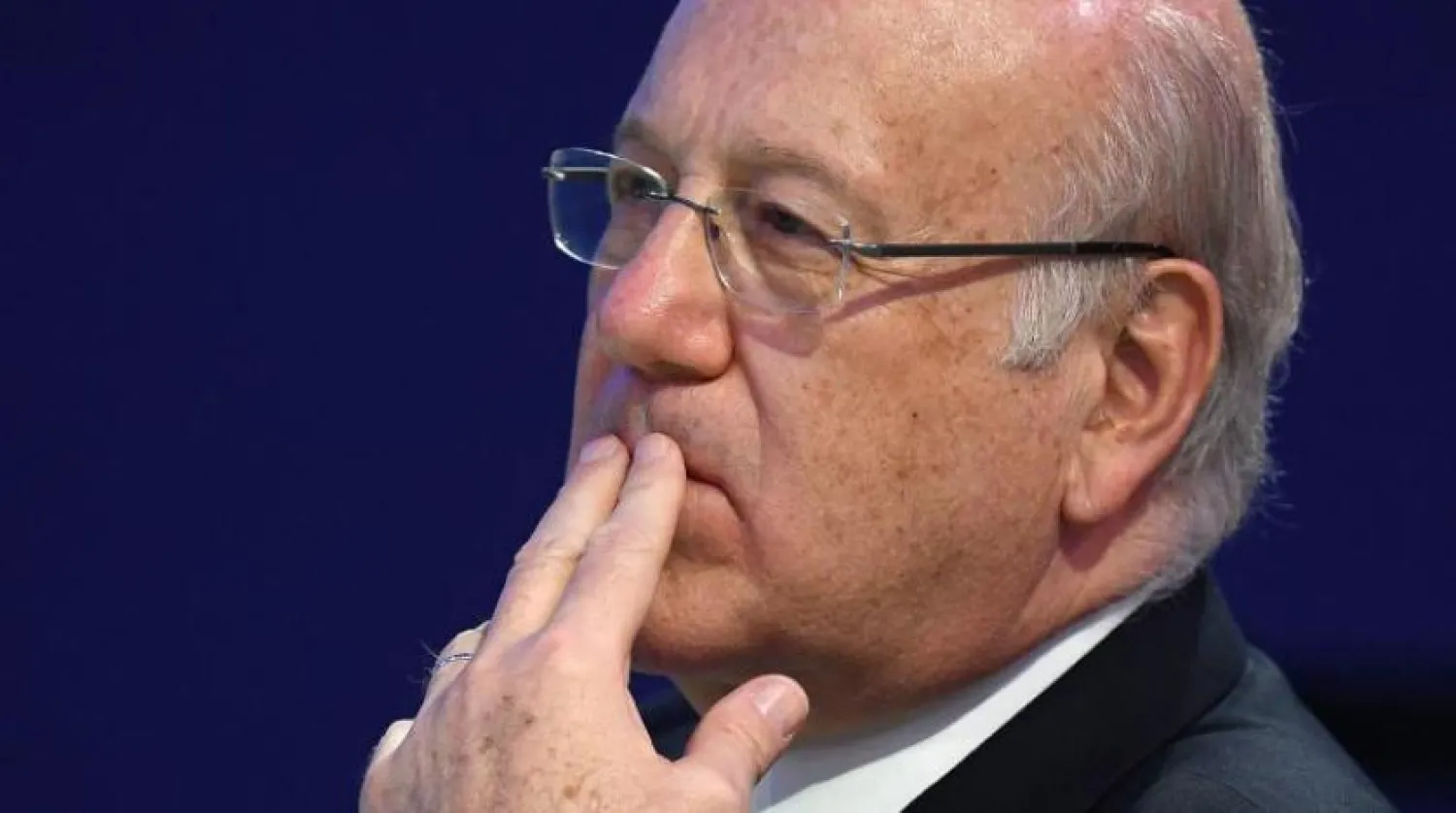
Lebanese Prime Minister Najib Mikati. (AFP)
TT

Lebanon PM Renews Call for Minister in Gulf Arab Row to 'Prioritize National Interest'

Lebanese Prime Minister Najib Mikati. (AFP)

Lebanon’s prime minister on Thursday again urged the information minister to “prioritize” Lebanon’s “national interest” over an unprecedented diplomatic rift with Saudi Arabia, but stopped short of asking him to submit his resignation.

The rift has threatened to destabilize the new government of Prime Minister Najib Mikati, sworn in less than two months ago, and escalate Lebanon's economic tailspin.

“I hereby renew my calls on the information minister (George Kordahi) to judge his conscience and take the right position,” Reuters quoted Mikati as saying.

Mikati said the information minister’s resignation would help resolve a crisis with the kingdom and its Gulf Arab allies, and preserve the “depths and good relations with the Arab and Gulf countries, especially Saudi Arabia.”


Saudi Support Bolsters Yemen’s Health Sector in Fight Against Epidemics

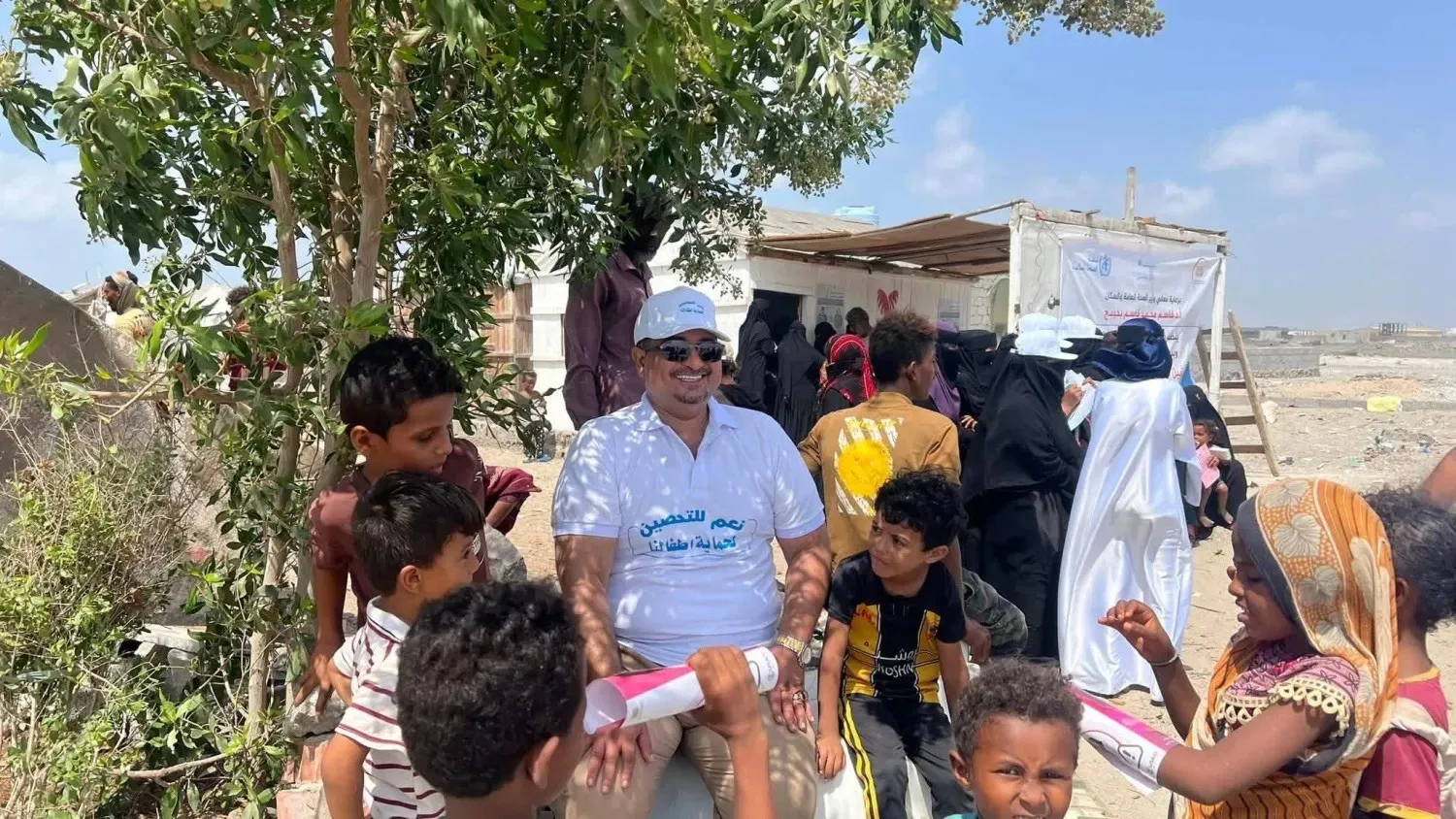
Yemen has made efforts to offset shortages in healthcare personnel. (Government media)
TT

Saudi Support Bolsters Yemen’s Health Sector in Fight Against Epidemics

Yemen has made efforts to offset shortages in healthcare personnel. (Government media)

Yemen’s Health Ministry has warned that a sharp decline in foreign funding threatens efforts to combat epidemics, most notably measles, polio and diphtheria, in a country whose health infrastructure has been devastated by war and weakened in its ability to confront successive disease outbreaks.

The legitimate Yemeni government, with Saudi backing through the King Salman Humanitarian Aid and Relief Center (KSrelief) and international partners, has, however, managed to restore operations at more than 3,000 health facilities and prevent the collapse of the healthcare sector.

The ministry said that a drop of more than 65 percent in external support this year has undermined the health sector’s capacity to respond to disease outbreaks.

Last year alone, Yemen recorded more than 23,000 confirmed measles cases and 214 deaths, amid concerns that epidemics could spread further in areas with low vaccination coverage.

Ali Al-Walidi, deputy minister of public health and population for primary healthcare, noted that the health sector had faced major challenges over the past 11 years because of the war ignited by the Houthis, which caused healthcare services to deteriorate to below 50 percent after extensive damage to medical facilities.

He said the ministry, with support from KSrelief, the World Bank, the World Health Organization (WHO) and the United Nations Children’s Fund (UNICEF), had succeeded in maintaining the health system and preventing its collapse, while also restoring operations at more than 3,200 health facilities, representing around 60 percent of the country’s total health centers.

Al-Walidi added that the ministry had worked to offset shortages in medical personnel caused by deaths and injuries during the war, as well as the migration of healthcare workers abroad, by training and qualifying new staff, helping ensure the continuation of essential health services in many areas.

Vaccination challenges

The official warned that the Houthi group’s ban on vaccination campaigns in areas under its control had led to the return of polio, with around 30 cases recorded last year, despite Yemen having been certified polio-free by the WHO in 2009.

He revealed that the Health Ministry had carried out several polio vaccination campaigns in liberated provinces, where no cases have been recorded this year, while continuing routine immunization programs to reach children across different regions, particularly in remote districts and displacement camps.

With UN reports documenting about 23,000 measles infections and 214 deaths last year, particularly in the provinces of Taiz, Hodeidah, Amran and Saada, Al-Walidi warned of renewed outbreaks of measles, diphtheria and whooping cough due to declining immunization rates in Houthi-controlled provinces, where vaccination campaigns have been suspended since 2023.

The official said the ministry had ensured the availability of routine vaccines at all health facilities and had implemented outreach campaigns to reach remote areas and displacement camps where children struggle to access healthcare centers.

The campaigns covered 121 districts across 15 provinces and involved 8,538 health workers, who provided vaccines and a range of services related to maternal and child health, nutrition and reproductive health.

Funding cuts

Regarding fever outbreaks, the official said the National Malaria and Vector-Borne Disease Control Program had carried out interventions following seasonal rains, with support from KSrelief.

However, he stressed that the 65 percent reduction in external support for the health sector this year would have negative repercussions on the continued supply of medicines and medical equipment to health facilities, in addition to training and capacity-building programs.

On efforts to address the decline, he stressed that the Health Ministry, in cooperation with health sector partners, was implementing a plan to bridge the gap caused by the funding shortfall, while maintaining coordination with KSrelief, the WHO and UNICEF to ensure the continuity of essential health services and prevent disruptions to immunization and epidemic-control programs.

He added that the health strategy for 2026-2030 is expected to be announced next July after being prepared in cooperation with the Geneva Institute and the WHO, with support from the World Bank and participation from the Civil Service Ministry, health offices and universities, as part of efforts to strengthen the health sector’s ability to confront challenges in the coming years.



Saudi Arabia Condemns Terrorist Attack on Security Checkpoint in Pakistan

Police officers inspect the site of a suicide bombing that occurred at a security checkpoint in Fatah Khel, Bannu town, in Pakistan's Khyber Pakhtunkhwa province (AP).
TT

Saudi Arabia Condemns Terrorist Attack on Security Checkpoint in Pakistan

Police officers inspect the site of a suicide bombing that occurred at a security checkpoint in Fatah Khel, Bannu town, in Pakistan's Khyber Pakhtunkhwa province (AP).

Saudi Arabia’s Ministry of Foreign Affairs condemned and denounced the terrorist attack targeting a security checkpoint in Khyber Pakhtunkhwa Province in Pakistan, which left several Pakistani police officers dead and others injured, the Saudi Press Agency said on Sunday.

In a statement, the ministry affirmed the Kingdom’s solidarity with the Pakistani government and people following this painful incident and reiterated its complete rejection of terrorist and extremist acts that attempt to undermine the security and stability of Pakistan and the brotherly Pakistani people.

The Kingdom also extended its sincere condolences and sympathy to the families of the victims, as well as to the government and people of brotherly Pakistan, while wishing the injured a speedy recovery.

A suicide attack on a security post in northwest Pakistan killed at least 14 police officers early Sunday.


Bahrain: Detained IRGC-linked Group Consisted of Members of Dissolved Scholars Council

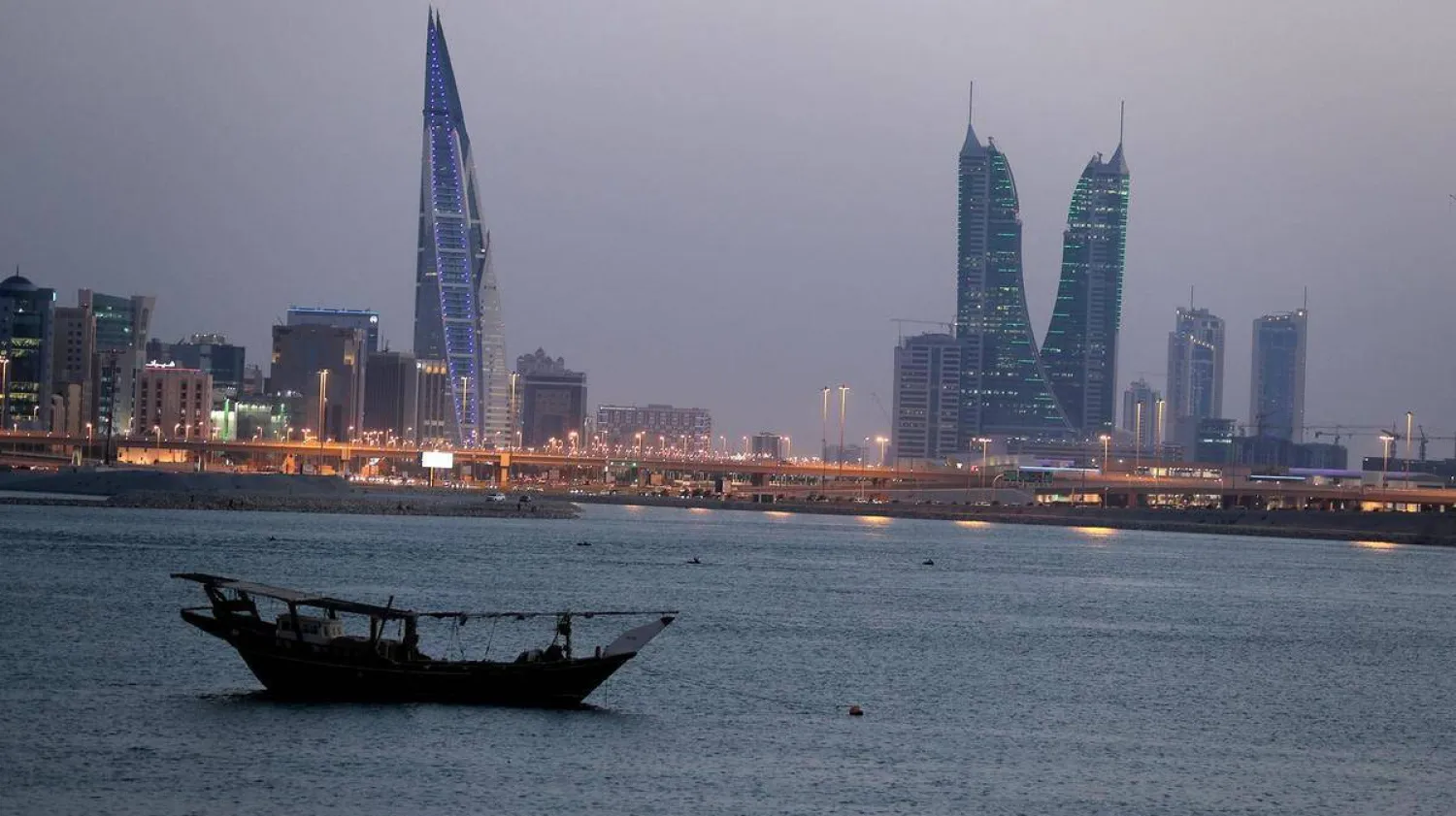
A view of Bahrain's financial district in the capital city of Manama. (Reuters file)
TT

Bahrain: Detained IRGC-linked Group Consisted of Members of Dissolved Scholars Council

A view of Bahrain's financial district in the capital city of Manama. (Reuters file)

Bahrain’s Ministry of Interior clarified on Sunday that the organization linked to Iran’s Revolutionary Guard Corps (IRGC) and the Wilayat Al-Faqih ideology consisted of members of the dissolved “Islamic Scholars Council.”

The members of the organization had formed and led a terrorist organization, financed terrorism, coordinated with Iran and groups in Iraq and Lebanon classified as terrorist organizations, and received military training in support of those activities, said the ministry in a statement carried by Bahrain’s state news agency BNA.

The ministry announced that security measures it had taken led to the arrest of 41 members of the organization in Bahrain. Eleven other members based in Iran have been identified as intermediaries between the IRGC and operatives affiliated with the organization in the kingdom.

The ministry noted that members of the organization “practiced systematic intimidation against members of Bahrain’s Shiite community, exploiting them and carrying out covert activities.”

“The organization had infiltrated a number of religious, social, charitable and educational institutions, including kindergartens, schools and religious seminaries, as well as key areas of community activity” with the aim “to promote allegiance to foreign entities, specifically the IRGC, while encouraging hostility towards the state and disregard for its laws at the expense of national loyalty.”

It added that the organization also “sought to influence and undermine the national will of members of the Shiite community in Bahrain.”

The ministry added that members of the organization “sought to control and politicize sermons delivered by religious scholars and Hussaini reciters in mosques, matams (community centers) and religious occasions, while resorting to intimidation against those overseeing such activities.”

“The organization committed criminal acts and engaged in practices that spread fear among citizens, in addition to collecting funds for unlawful purposes and activities in violation of the law, posing a threat to community security and civil peace through receiving funds from IRGC operatives in Iran to finance terrorist activities in Bahrain,” continued the statement.

The ministry said the organization's activities had been under surveillance and monitoring, and that the measures taken were aimed at safeguarding the security of Bahrain and preserving the safety and stability of society in all its segments and components.

The ministry stressed that it will “continue to counter any threats to the kingdom’s security and stability and will take firm action against any attempts to undermine civil peace or incite discord and division within Bahraini society.”