Kuwaiti PM Tackles Bilateral Relations with Visiting Iranian FM

Kuwaiti Prime Minister Sheikh Ahmad Nawaf Al-Ahmad Al-Sabah receives on Wednesday Iranian Foreign Minister Hossein Amir-Abdollahian. (KUNA)
TT

Kuwaiti PM Tackles Bilateral Relations with Visiting Iranian FM

Kuwaiti Prime Minister Sheikh Ahmad Nawaf Al-Ahmad Al-Sabah receives on Wednesday Iranian Foreign Minister Hossein Amir-Abdollahian. (KUNA)

Kuwaiti Prime Minister Sheikh Ahmad Nawaf Al-Ahmad Al-Sabah reviewed on Wednesday with Iranian Foreign Minister Hossein Amir-Abdollahian the bilateral relations between the two countries and the means to promote them.

“The Kuwaiti PM received on Wednesday visiting Iranian Foreign Minister Hossein Amir-Abdollahian and they discussed the latest regional and international relations,” the Kuwaiti official news agency, KUNA, said.

The meeting was attended by Kuwait’s Foreign Minister Sheikh Salem Abdullah Al-Jaber Al-Sabah.

Iran's top diplomat arrived in Kuwait Wednesday, the third leg of a Gulf tour that saw him hold “constructive” talks with his Omani counterpart in Muscat earlier in the day.

Amir-Abdollahian also held discussions in Doha on its nuclear program with Qatari and European Union officials.

Before he left Muscat on Wednesday, Amir-Abdollahian called the meeting with his Omani counterpart as “constructive” and praised the effective cooperation between the two sides, the official Oman News Agency, ONA, said.

The Omani minister said they discussed “continued consultations and cooperation” on issues of bilateral concern.

“There is great consensus in the visions of the two states on a series of issues... that will contribute to stability, security and peace,” he said, quoted by ONA.

Amir-Abdollahian’s visit to Oman came three weeks after Oman's Sultan Haitham bin Tariq al-Said met with Iranian President Ebrahim Raisi in Tehran.

“The Ministers discussed relations between the two friendly countries and followed up on the results of the visit of His Majesty Sultan Haitham bin Tarik to Tehran in May,” the Omani Foreign Ministry said in a statement.

It added that the two ministers reviewed ways to activate and enhance cooperation in culture, trade, economic and investment affairs, energy projects, and transportation with a view to supporting economic diversification and serving the interests of the two countries and their peoples.

For his part, Amir-Abdollahian said he discussed different bilateral issues with the Omani FM including the implementation of agreements signed during the recent visit of the Omani monarch to Tehran.

He then thanked the constructive efforts and initiatives of Oman and its sultan to facilitate and resolve regional and international matters.

The remarkable progress in Oman-Iran relations was emphasized during the talks, particularly in areas of economic and trade cooperation, transportation, energy, science and tourism.

Amir-Abdollahian then highlighted the United Nations Secretary General’s initiative to convene a meeting of foreign ministers from eight Gulf countries in New York, an initiative strongly supported by Oman and Qatar.

The two ministers actively explored opportunities to enhance joint cooperation in cultural, trade, economic and investment fields. They reaffirmed full support for all endeavors that promote global peace and stability.

However, both ministers did not address Oman's mediation efforts between Tehran and Washington to reach a new deal that could see Iran free US prisoners in return for the release of billions of dollars worth of Iranian assets.

On Wednesday morning, the Iranian FM also met Sultan bin Mohammed al Numani, minister of Oman’s royal office, for talks on ties between their countries and “several areas of cooperation,” ONA said.

The Iranian government says it attaches importance to strengthening diplomatic and trade relations with neighboring countries. This came as the Iranian economy is suffering under the repercussions of the US sanctions imposed by the administration of former US President Donald Trump, following his withdrawal from the nuclear deal.

“The resolution of challenges with the collective participation of countries in the region is the best way to achieve the progress of nations and ensure security in the Persian Gulf,” Amir-Abdollahian tweeted before he left Kuwait.

Last week, European and Iranian officials said Muscat is a mediator in indirect talks between Iran and its sworn enemy the United States over its suspect nuclear program and a possible prisoner swap.

Amir-Abdollahian discussed developments in the nuclear agreement with his Qatari counterpart, according to the official Qatar News Agency.

Qatar Urges 'Good Faith' from Iran as Talks Renew

FILED - 16 January 2024, Switzerland, Davos: FILE PHOTO - Qatar's Prime Minister and Minister of Foreign Affairs, Mohammed Bin Abdulrahman Al Thani, speaks during a panel discussion at the World Economic Forum Annual Meeting 2024 in Davos. Photo: Jakob Polacsek/World Economic Forum/dpa
TT

Qatar Urges 'Good Faith' from Iran as Talks Renew

FILED - 16 January 2024, Switzerland, Davos: FILE PHOTO - Qatar's Prime Minister and Minister of Foreign Affairs, Mohammed Bin Abdulrahman Al Thani, speaks during a panel discussion at the World Economic Forum Annual Meeting 2024 in Davos. Photo: Jakob Polacsek/World Economic Forum/dpa

Qatar on Tuesday said Iran must show good faith with its neighbors to prevent further escalation, following renewed efforts to end the US-Iran war.

The comments came a day after senior officials from Saudi Arabia, Türkiye and Pakistan held talks with Iran in an attempt to stop the Middle East war from reigniting.

Qatari foreign ministry official Ibrahim Al-Hashmi said the region needed a new security framework to prevent further violence.

"The ball is now in Iran's court to commit to these principles and demonstrate good faith," he said.

"We have heard positive statements from the Iranian side... but they still need to demonstrate good faith, stop threatening countries of the region, and reopen the Strait of Hormuz so that all those efforts can go towards having a safe and prosperous region," he added.

Monday's talks in Tehran included Saudi Defense Minister Khalid bin Salman, Pakistan's army chief General Asim Munir and Türkiye's intelligence chief Ibrahim Kalin. Iran described them as "very good".

They followed warnings by the United States, Iran and Israel that hostilities could restart in the eight-month war, which saw Tehran strike US allies in the region including Qatar.

US-Iran mediation efforts have been led by Qatar and Pakistan. A Qatari delegation visited Tehran on Sunday, Iran's foreign ministry spokesman Esmaeil Baqaei said.

Asked for details on the Qatari visit to Tehran, Hashmi said "messages are ongoing and the exchange of ideas continues through the mediators".


Kuwait Sentence 3 to Death for Collaborating with Iran, Plotting to Assassinate Interior Minister

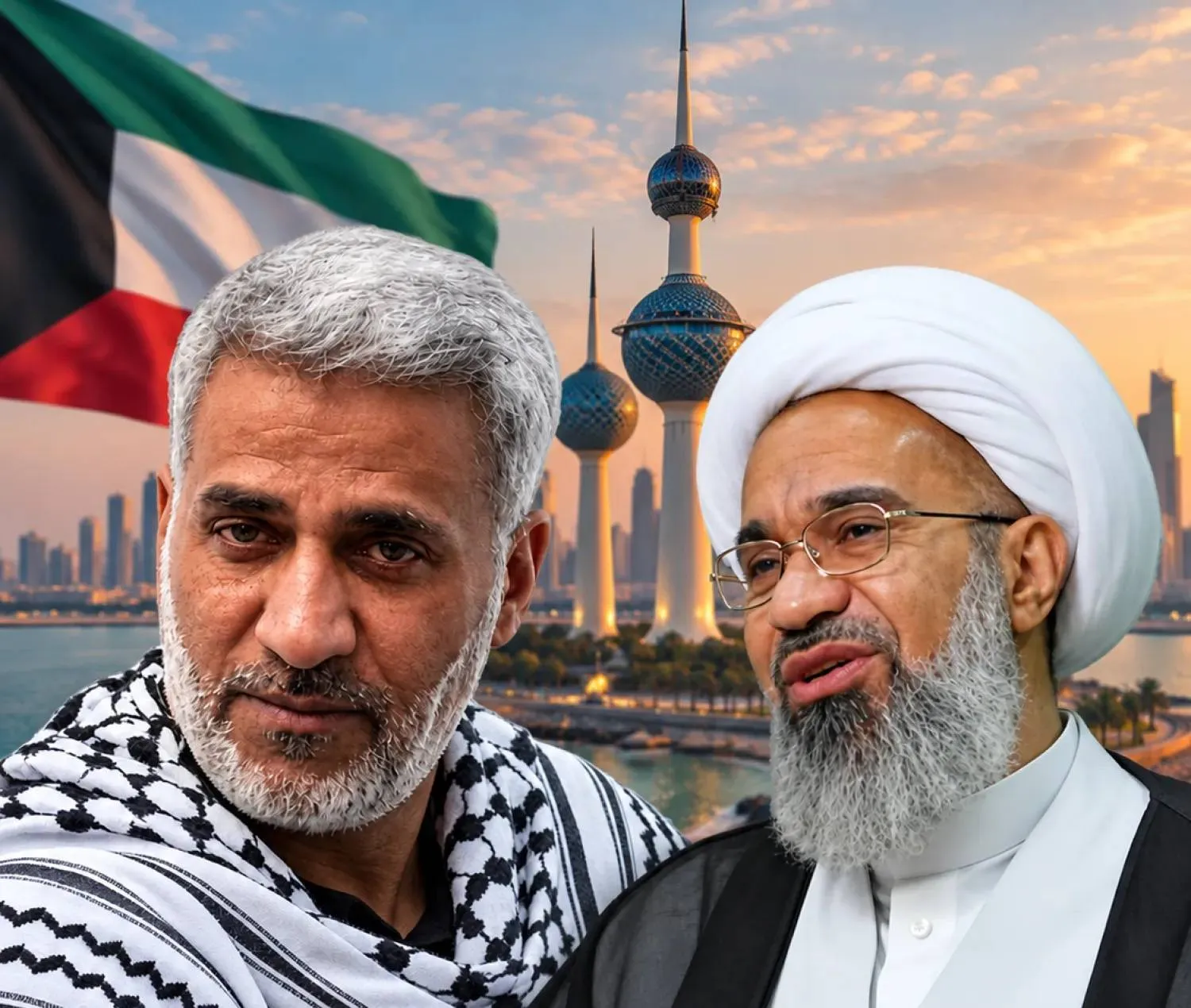
Sheikh Hussein Abdullah Al-Matouq and Hassan Abdulhadi Hajieh. (Asharq Al-Awsat)
TT

Kuwait Sentence 3 to Death for Collaborating with Iran, Plotting to Assassinate Interior Minister

Sheikh Hussein Abdullah Al-Matouq and Hassan Abdulhadi Hajieh. (Asharq Al-Awsat)

The Kuwaiti Criminal Court, represented by the State Security Circuit, sentenced on Monday three defendants to death and eight others to five years in prison, in a case involving espionage for Iran and the Lebanese Hezbollah, and plotting to assassinate the Kuwaiti First Deputy Prime Minister and Minister of Interior, Sheikh Fahad Al-Yousuf, along with other state figures.

The court, presided over by Counselor Nasser Al-Badr, convicted Sheikh Hussein Abdullah Al-Matouq, Hassan Abdulhadi Hajieh and Abdulreza Haidar Dehqani, an Iranian national, with harming Kuwait's national interests, spying for foreign entities, and joining the Lebanese Hezbollah group.

The Public Prosecution charged the defendants with committing acts that would undermine the independence, unity, and territorial integrity of the country, as well as seeking and communicating with Iran and Hezbollah to carry out hostile acts against Kuwait, which included plotting to assassinate the Minister of Interior and other leading figures.

Case documents revealed that remaining defendants held meetings to plan the assassination and assigned roles among themselves. An eleventh defendant was tasked with providing the necessary equipment to execute the plot, acting under instructions from the first three defendants who received death sentences.

The court stressed that "national security is not the interest of an individual or a faction, but a right of society as a whole," adding that state sovereignty cannot be contested by a foreign power.


Saudi Leadership Offers Condolences to Chinese President over Earthquake Victims in Xizang

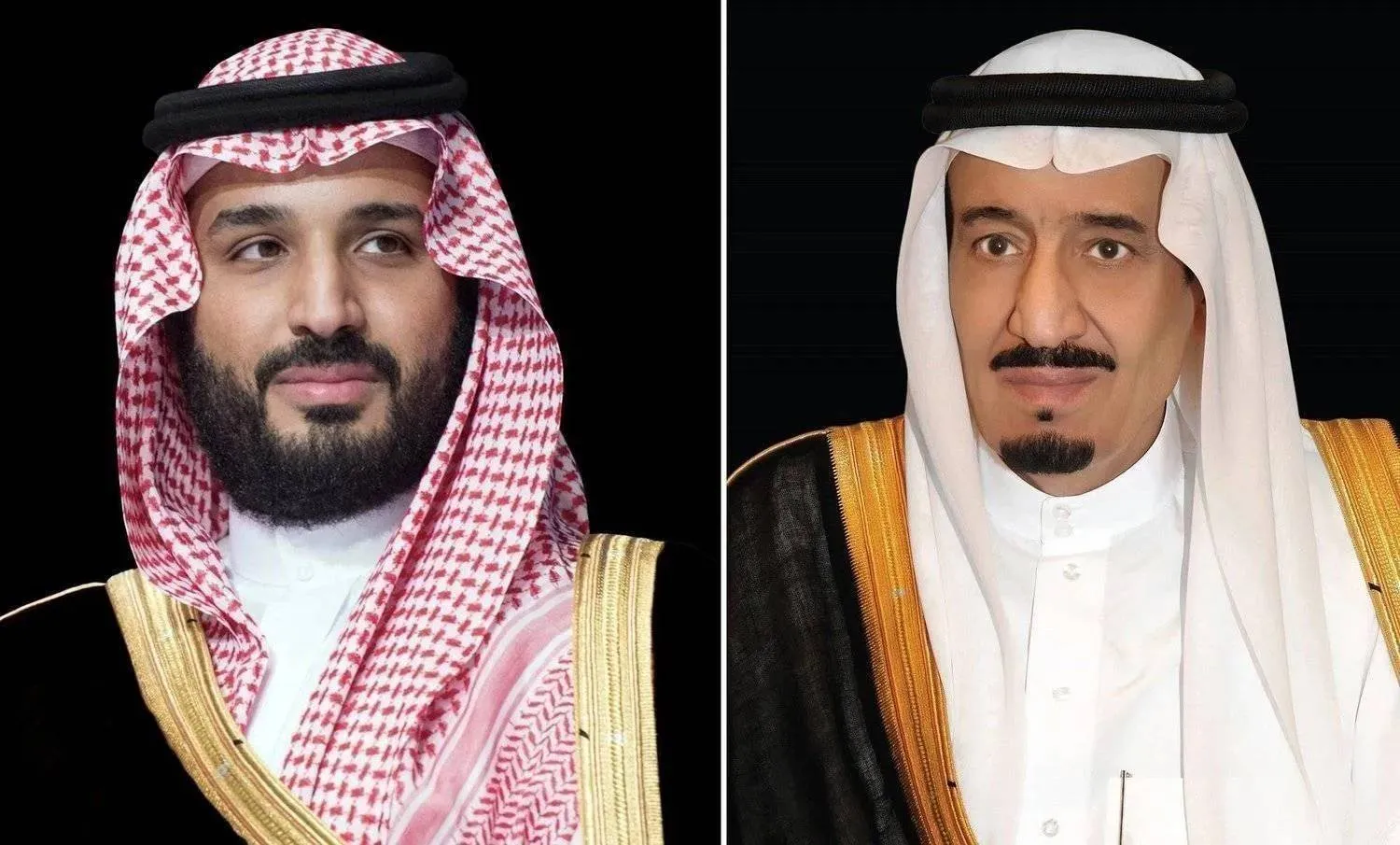
Joint photo of King Salman bin Abdulaziz Al-Saud and Saudi Crown Prince Mohammed bin Salman bin Abdulaziz Al-Saud - File Photo
TT

Saudi Leadership Offers Condolences to Chinese President over Earthquake Victims in Xizang

Joint photo of King Salman bin Abdulaziz Al-Saud and Saudi Crown Prince Mohammed bin Salman bin Abdulaziz Al-Saud - File Photo

Saudi Arabia’s leadership sent cables of condolence to China following the earthquake that struck Baqen County in the Xizang Autonomous Region, expressing sympathy over the loss of lives.

Custodian of the Two Holy Mosques King Salman bin Abdulaziz Al Saud sent a cable of condolences to Chinese President Xi Jinping, expressing his deepest sympathies to the president, the families of the victims, and the Chinese people over the deaths, injuries, and missing persons resulting from the earthquake. He also wished for the safe return of those missing and a speedy recovery for the injured.

Crown Prince and Prime Minister Mohammed bin Salman bin Abdulaziz Al Saud also sent a cable to President Xi Jinping, conveying his heartfelt condolences and wishing for the safe return of those missing and a swift recovery for the injured.