


ICC Prosecutor Sees 'No Real Effort' by Israel to Probe Gaza War Crimes

International Criminal Court (ICC) Prosecutor Karim Khan attends an interview with Reuters in The Hague, Netherlands January 16, 2025. REUTERS/Piroschka van de Wouw
TT

ICC Prosecutor Sees 'No Real Effort' by Israel to Probe Gaza War Crimes

International Criminal Court (ICC) Prosecutor Karim Khan attends an interview with Reuters in The Hague, Netherlands January 16, 2025. REUTERS/Piroschka van de Wouw

International Criminal Court Prosecutor Karim Khan has defended his decision to bring war crimes allegations against Israel's prime minister, saying Israel had made "no real effort" to investigate the allegations itself.

In an interview with Reuters, he stood by his decision over the arrest warrant despite a vote last week by the US House of Representatives to sanction the ICC in protest, a move he described as "unwanted and unwelcome.”

ICC judges issued arrest warrants for Israeli Prime Minister Benjamin Netanyahu, former Israeli defense chief Yoav Gallant and Hamas leader Ibrahim Al-Masri last November for alleged war crimes and crimes against humanity during the Gaza conflict.

The Israeli prime minister's office did not immediately respond to a request for comment on Khan's remarks to Reuters.

Israel has rejected the jurisdiction of the Hague-based court and denies war crimes. The United States, Israel's main ally, is also not a member of the ICC and Washington has criticized the arrest warrants against Netanyahu and Gallant.

"We're here as a court of last resort and ...as we speak right now, we haven't seen any real effort by the State of Israel to take action that would meet the established jurisprudence, which is investigations regarding the same suspects for the same conduct," Khan told Reuters.

"That can change and I hope it does," he said in Thursday's interview, a day after Israel and the Palestinian militant group Hamas reached a deal for a ceasefire in Gaza.

An Israeli investigation could have led to the case being handed back to Israeli courts under so-called complementary principles. Israel can still demonstrate its willingness to investigate, even after warrants were issued, he said.

The ICC, with 125 member states, is the world's permanent court to prosecute individuals for alleged war crimes, crimes against humanity, genocide and aggression.

Khan said that Israel had very good legal expertise.

But he said "the question is have those judges, have those prosecutors, have those legal instruments been used to properly scrutinize the allegations that we've seen in the occupied Palestinian territories, in the State of Palestine? And I think the answer to that was 'no'."

Passage of the "Illegitimate Court Counteraction Act" by the US House of Representatives on Jan. 9 underscored strong support for Israel's government among President-elect Donald Trump's fellow Republicans.

The ICC said it noted the bill with concern and warned it could rob victims of atrocities of justice and hope.

Trump's first administration imposed sanctions on the ICC in 2020 over investigations into war crimes in Afghanistan, including allegations of torture by US citizens. Those sanctions were lifted during Joe Biden's presidency.

Five years ago, then-ICC prosecutor Fatou Bensouda and other staff had credit cards and bank accounts frozen and US travel impeded. Any further US sanctions under Trump would be widely expected to be more severe and widespread.

The ICC, created in 1998, was intended to assume the work of temporary tribunals that have conducted war crimes trials based on legal principles established during the Nuremberg trials against the Nazis after World War Two.

"It is of course unwanted and unwelcome that an institution that is a child of Nuremberg ...is threatened with sanctions. It should make people take note because this court is not owned by the prosecutor or by judges. We have 125 states," Khan said.

It "is a matter that should make all people of conscience be concerned," he said, declining to discuss further what sanctions could mean for the court.

Libya’s Ramadan Celebrations Tempered by Economic Woes

A family walks on their way to shop for Ramadan decorations ahead of the holy month of Ramadan in Benghazi, Libya, February 16, 2026. (Reuters)
TT

Libya’s Ramadan Celebrations Tempered by Economic Woes

A family walks on their way to shop for Ramadan decorations ahead of the holy month of Ramadan in Benghazi, Libya, February 16, 2026. (Reuters)

Libyans have been enjoying Ramadan with feasts and fireworks -- but soaring prices, a devalued currency and political divisions have left many with little to celebrate.

Fifteen years on from the fall of longtime leader Moammar al-Gaddafi, the country remains split between east and west, while shortages of goods, including fuel, disrupt daily life, despite Libya sitting atop vast oil and gas reserves.

During the holy month of Ramadan, shoppers stock up on treats, as families gather for lavish meals before and after the daytime fast that stretches from sunrise to sunset.

But this year supermarkets have been rationing their goods, while many petrol stations are short of gas. In the capital Tripoli, most ATMs were out of cash this week.

Firas Zreeg, 37, told AFP while weaving through a crowded supermarket that the economy was deteriorating, blaming currency speculators for the fall in the dinar, "which has negative repercussions on our daily lives".

The price of cooking oil has doubled in recent weeks, while meat and poultry prices rose by half.

Refills of gas cylinders, officially priced at 1.5 dinars ($0.24) but often unavailable through state-run distributors, now sell for 75 dinars ($11.85) on the black market and at times more.

- 'Burden on citizens' -

Libya has struggled to recover from the chaos that erupted following the 2011 uprising that toppled Gaddafi.

It remains divided between the Government of National Unity (GNU) based in Tripoli and an eastern administration backed by Libyan National Army (LNA) commander Khalifa Haftar.

The country has largely been stable in recent years although there have been bouts of deadly violence, including the killing of Gaddafi's son and heir apparent Seif al-Islam this month.

With security holding, many Libyans are more focused on their livelihoods.

Last month, the central bank in the western territory devalued the dinar -- the second time in less than a year -- by nearly 15 percent, "aimed at preserving financial and monetary stability and ensuring the sustainability of public resources".

In an address this week, GNU leader Abdulhamid Dbeibah acknowledged that the devaluation had once again "put the burden on citizens".

Hanna Tetteh, head of the United Nations Support Mission in Libya, warned on Wednesday that "poverty and pressure on society [are] increasing".

"The situation, in addition to the fragile security landscape, should be a matter for concern as such conditions can lead to unexpected political and security challenges," she told the UN Security Council.

Libya's other economic problems included the absence of a unified national budget, in light of its political divide, as well as uncoordinated public spending due to parallel state institutions, Tetteh said.

Revenues from the oil industry were also declining, she added, while the central bank has said public spending is growing at an unsustainable pace.

On Tuesday, Libya marked 15 years since the start of the uprising, with fireworks lighting up the sky in Tripoli, but for many Libyans life remains a struggle.

"Minor improvements in security were made over the past three years," Zreeg told AFP, but Libyans are still faced with huge economic challenges.


Libya PM Undergoes 'Successful' Treatment at Heart Hospital

Head of Libya's Government of National Unity (GNU) Abdulhamid Dbeibah. (GNU)
TT

Libya PM Undergoes 'Successful' Treatment at Heart Hospital

Head of Libya's Government of National Unity (GNU) Abdulhamid Dbeibah. (GNU)

Libya's Prime Minister Abdulhamid Dbeibah has undergone "successful" treatment at a heart hospital, his office said Saturday, but his specific ailment was not disclosed.

"I assure you that I am fine, by God's grace," said a statement posted on social media overnight.

The treatment was carried out at a facility in the northwestern Libyan city of Misrata on an undisclosed date, said AFP.

Dbeibah said he later travelled abroad for "additional medical checkups for reassurance", though this was not the primary reason for his trip.

Italian media outlets previously reported he had been admitted to a leading cardiac facility in Milan on Thursday for a general check-up.

"The matter is simply that I underwent some additional medical checkups for reassurance while I was abroad due to a prior external commitment," he said.

"The results confirmed the success of the treatment I received in Libya, praise be to God."

The prime minister leads a UN-recognized government based in Tripoli that controls western Libya, while the country's east is run by another administration backed by military strongman Khalifa Haftar.

Libya has remained divided since chaos erupted following the 2011 Arab Spring uprising that toppled longtime leader Muammar Gaddafi.


Eight Hezbollah Members Killed in Israel’s Friday Strikes on Lebanon

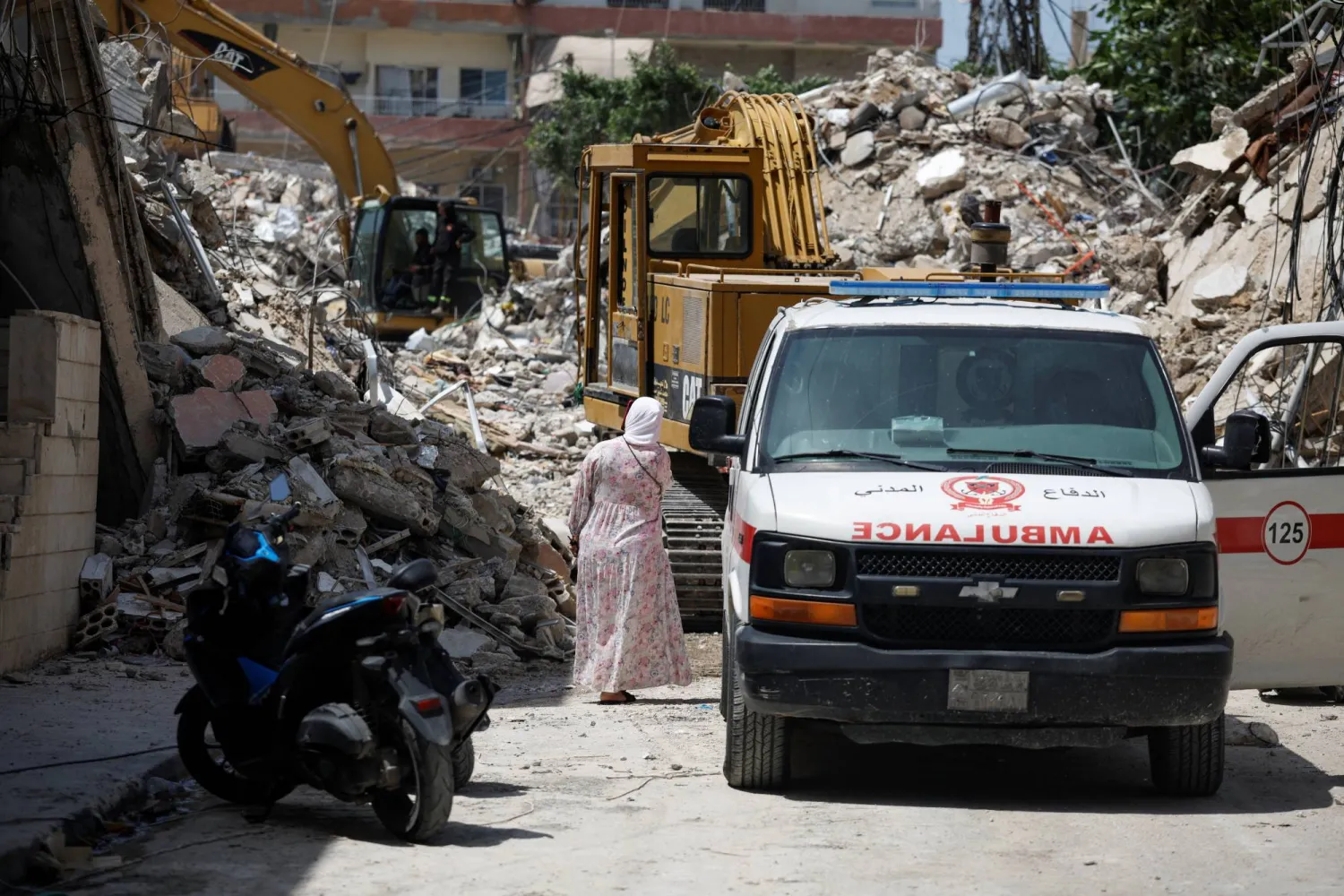
A bulldozer clears debris near heavily-damaged buildings in the village of Bednayel in Lebanon's eastern Bekaa Valley region on February 21, 2026, following Israeli strikes. (AFP)
TT

Eight Hezbollah Members Killed in Israel’s Friday Strikes on Lebanon

A bulldozer clears debris near heavily-damaged buildings in the village of Bednayel in Lebanon's eastern Bekaa Valley region on February 21, 2026, following Israeli strikes. (AFP)

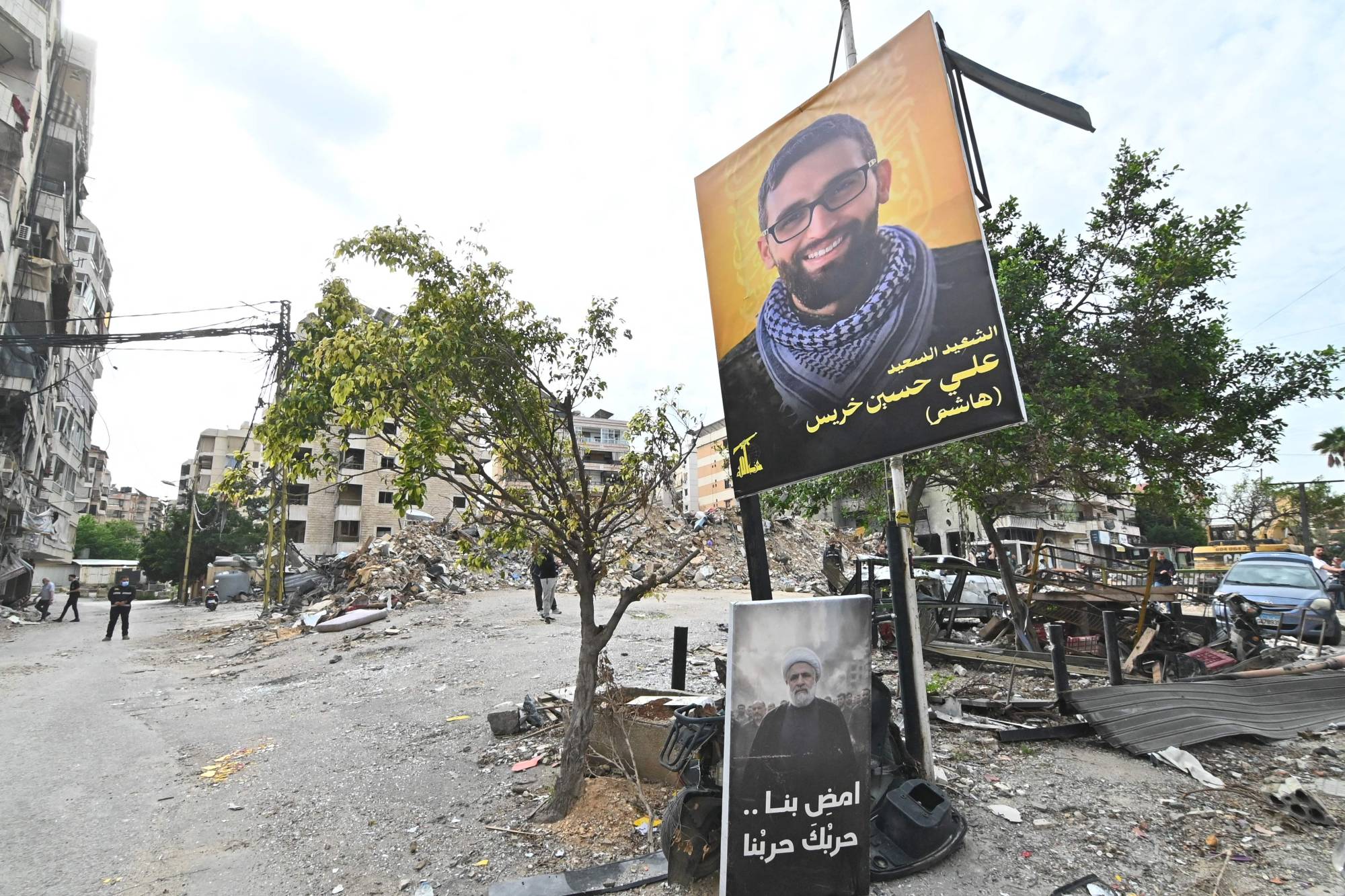
Attacks carried out by Israel on Friday in eastern Lebanon killed eight members of Hezbollah, an official from the group told AFP on Saturday.

Lebanon's health ministry said Friday that a total of 10 people were killed in strikes that hit the eastern Bekaa region.

The Israeli military said it targeted "several terrorists of Hezbollah's missile array in three different command centers in the Baalbek area".

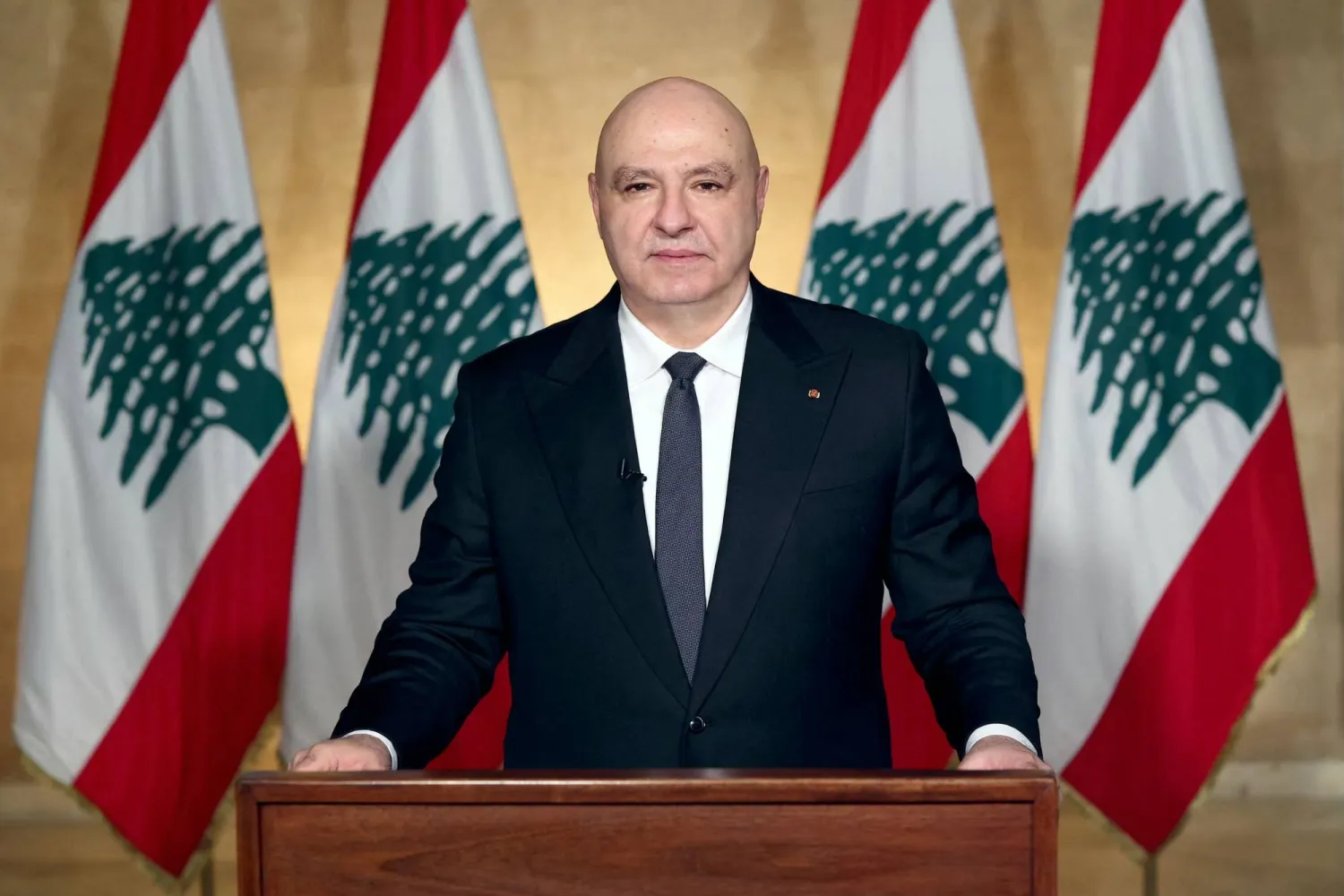
Lebanon's president on Saturday condemned the attacks, the latest despite a ceasefire with Hezbollah.

In a statement, Joseph Aoun called the attacks "a blatant act of aggression aimed at thwarting diplomatic efforts" by the United States and other nations to establish stability.

A lawmaker from Hezbollah called on Beirut to suspend meetings of a multinational committee tasked with monitoring the truce.

Washington is one of five members on the committee overseeing the ceasefire implemented in November 2024, with the body scheduled to meet again next week.

Israel has repeatedly bombed Lebanon despite the ceasefire, usually saying it is targeting Hezbollah but occasionally also the group's Palestinian ally Hamas.

The Friday attacks on southern and eastern Lebanon killed 12 people, according to the health ministry, 10 of them in the east of the country.

Israel's military said it struck "several terrorists of Hezbollah's missile array in three different command centers in the Baalbek area".

Hezbollah said a commander was killed in the raids. Its lawmaker Rami Abu Hamdan said on Saturday the group "will not accept the authorities acting as mere political analysts, dismissing these as Israeli strikes we have grown accustomed to before every meeting of the committee".

He called on Beirut to "suspend the committee's meetings until the enemy ceases its attacks".

Hezbollah, while weakened following war with Israel, remains a strong political force in Lebanon represented in parliament.

Lebanon's government last year committed to disarming the Iran-backed group, with the army saying last month it had completed the first phase of the plan covering the area near the Israeli border.

Israel, which accuses Hezbollah of rearming since the war, has called the Lebanese army's progress on disarming the group insufficient.
