


Gardening’s Hidden Benefits: How Digging in the Dirt Could Bolster Mental Wellbeing 

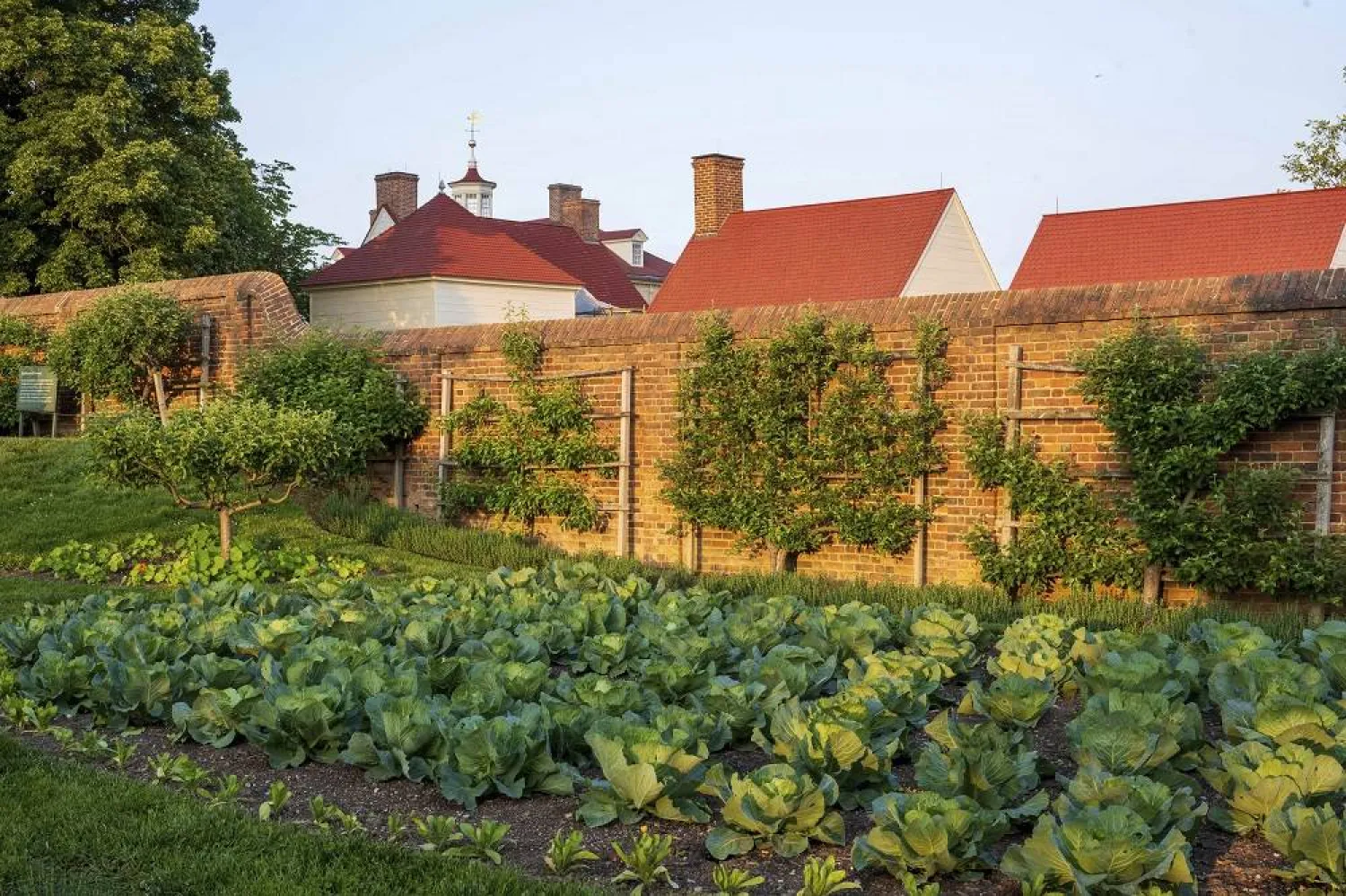
This May 23, 2023, image provided by Mount Vernon Ladies' Association shows espaliered fruit trees trained against a wall at George Washington's Mount Vernon in Mount Vernon, Va. (Mount Vernon Ladies' Association via AP) 
TT

Gardening’s Hidden Benefits: How Digging in the Dirt Could Bolster Mental Wellbeing 

This May 23, 2023, image provided by Mount Vernon Ladies' Association shows espaliered fruit trees trained against a wall at George Washington's Mount Vernon in Mount Vernon, Va. (Mount Vernon Ladies' Association via AP) 

If you spend any time gardening, you probably understand what I mean when I say it feels good — despite the lifting, sweating and straining involved. Yes, exercise is good for our bodies, but there’s something about digging in the dirt while listening to a bird soundtrack that lifts my spirits. Even the scent of the soil and mulch makes me happy.

As it turns out, there are scientific reasons for this.

In fact, there’s an entire field called horticultural therapy that’s dedicated to using “plant-based and garden-based activities to support people who have identified treatment needs,” according to Karen Haney, a horticultural therapy instructor at UCLA Extension in Long Beach, California.

“Research suggests 20-30 minutes (of gardening) a few times a week can reduce stress and lift mood, with benefits increasing the more regularly one gardens,” says Sarah Thompson, a professionally registered horticultural therapist in Boise, Idaho.

It's not just about being outdoors Yes, the simple act of being in nature can improve mood and restore focus, she said, but “the active engagement of nurturing plants, making decisions and seeing results over time adds a unique layer of meaning and satisfaction that passive time outdoors does not.”

In addition, Thompson said gardening has been shown to ease symptoms of anxiety and depression, and fosters a sense of calm, purpose and accomplishment.

A recent study at the University of Colorado-Boulder backs this up.

The researchers there provided one group of participants with an instructional gardening class, seeds, starter plants and a community gardening plot. They had a second group refrain from gardening for two years.

The gardening cohorts reported stronger social connections, lower stress levels and about a 7% increase in fiber intake, which have been shown to reduce risk factors for some physical and mental illnesses, including depression, high blood pressure, type 2 diabetes and cancer. They also reported a 42-minute weekly increase in physical activity, which the non-gardeners did not.

A mindful, rewarding and versatile activity Previous studies have arrived at similar findings. In 2020, for instance, researchers at the University of Exeter and the Royal Horticultural Society in the UK found the health and well-being of gardeners over non-gardeners to be similar to that of residents of wealthy communities over those who live in poorer areas.

In addition to encouraging mindfulness, grounding people in the present moment and providing a sense of achievement, Thompson said, “research has also shown that exposure to sunlight can boost serotonin levels, while contact with soil introduces beneficial microbes linked to mood enhancement.”

So, it seems you just can’t go wrong with gardening.

“Physically, gardening improves strength, flexibility and balance. Socially, it can foster connection. Cognitively, it engages problem solving and creativity,” Thompson said, adding that it’s a highly adaptable activity.

“Gardening can be scaled to any space, ability or age, and its benefits are accessible to everyone,” she said.

Deep down, we gardeners have always believed this. Now, we have the science to prove it.


Meet the Baby Koala Hiding in Its Mom’s Pouch at a Florida Zoo’s New Outback Habitat

This photo provided by the Palm Beach Zoo Conservation Society Clearance shows a koala named Ellin and her newborn joey in a habitat at the Palm Beach Zoo Conservation Society in West Palm Beach, Fla., on Saturday, April 18, 2026. (John Towey/Palm Beach Zoo Conservation Society via AP)
TT

Meet the Baby Koala Hiding in Its Mom’s Pouch at a Florida Zoo’s New Outback Habitat

This photo provided by the Palm Beach Zoo Conservation Society Clearance shows a koala named Ellin and her newborn joey in a habitat at the Palm Beach Zoo Conservation Society in West Palm Beach, Fla., on Saturday, April 18, 2026. (John Towey/Palm Beach Zoo Conservation Society via AP)

A zoo in Florida has two reasons to celebrate — the first birth of a koala and a newly renovated habitat for the cuddly creatures is opening to the public on Saturday.

“For the zoo and for us here, it’s the very big deal,” said Amarylis Celestina, who oversees carnivores and koalas at the Palm Beach Zoo & Conservation Society in West Palm Beach, Florida. "We are trying the best that we can to help with a lot of the genetic diversity within the population that we have here in the United States. So that’s why it’s important that we do have a joey and that we were successful this year.”

The joey, born to Ellin and Sydney last fall, remains in its mother's pouch and has just recently started to become visible to zoo officials.

They continue to monitor Ellin's weight, and are providing extra food as she cares for the baby.

Meanwhile, the koala population is enjoying a renovated habitat, which includes more greenery, new perching for exercising, and solar tubes to bring in more natural light.

The changes bring a bit of the Australian outback to the zoo for koalas, which are an endangered species. They are able to move between their climate-controlled indoor exhibit and the expanded outdoor area.

“This new habitat is a milestone for our koalas,” Margo McKnight, the zoo's CEO and president said in a news release. “The deliberate design supports the voluntary, cooperative care our zoologists and koalas have developed together.”

Koalas in the US are on loan from the Australian federal government to help with conservation practices.

Koalas are generally peaceful, have a calm nature and enjoy a “slow” lifestyle. They like to climb and hop between the trees in the habitat.

The renovations are designed to help koalas express their natural behaviors, zoo officials said.


Melania Trump Is Growing the White House Honey Program with a New Beehive

 First lady Melania Trump smiles during the 113th Annual First Lady's Luncheon, Thursday, April 23, 2026, in Washington. (AP)
First lady Melania Trump smiles during the 113th Annual First Lady's Luncheon, Thursday, April 23, 2026, in Washington. (AP)
TT

Melania Trump Is Growing the White House Honey Program with a New Beehive

 First lady Melania Trump smiles during the 113th Annual First Lady's Luncheon, Thursday, April 23, 2026, in Washington. (AP)
First lady Melania Trump smiles during the 113th Annual First Lady's Luncheon, Thursday, April 23, 2026, in Washington. (AP)

What's all the buzz about?

Melania Trump on Friday announced that she is expanding the White House honey program by adding a beehive in the shape of the White House to two other beehives that have been on the south grounds since 2009.

The existing hives can swell to about 70,000 bees during peak summer months and produce 200 to 225 pounds of honey in a year, the White House said. The new hive could increase honey production by about 30 pounds, according to the White House.

The White House uses the clover honey to prepare meals, as official gifts from the president and first lady, and in donations to food kitchens.

The bees help pollinate a nearby produce garden that then-first lady Michelle Obama started in 2009 and a nearby flower cutting garden, along with vegetation on the National Mall.

The beekeeping program began in 2009 after a White House carpenter started beekeeping as a hobby on the complex.

The new hive was funded through the Trust for the National Mall, the White House said.

The hive and the base were designed by White House residence staff and hand-made by a Virginia artisan.


AlUla Manara Team Hosts Lyrid Meteor Shower Observation

The event utilized AlUla’s exceptionally clear skies and low light pollution - SPA
TT

AlUla Manara Team Hosts Lyrid Meteor Shower Observation

The event utilized AlUla’s exceptionally clear skies and low light pollution - SPA

AlUla Manara team hosted an educational astronomy evening yesterday near the iconic Arch Rock, aimed at promoting astrotourism and scientific awareness. The event utilized AlUla’s exceptionally clear skies and low light pollution to provide residents and visitors with an immersive celestial experience, SPA reported.

The evening featured the Lyrid meteor shower, an annual phenomenon caused by debris from Comet Thatcher entering Earth's atmosphere. Under expert guidance, attendees observed the shower and used advanced telescopes to explore the cosmos.

The program included interactive scientific discussions on the historical role of astronomy in navigation and timekeeping, as well as its contributions to modern science.

This initiative is part of AlUla’s strategic effort to become a premier global destination for astrotourism. By blending education with entertainment, AlUla Manara continues to showcase the governorate’s unique natural landscape and foster a deeper connection between the community and the universe.
