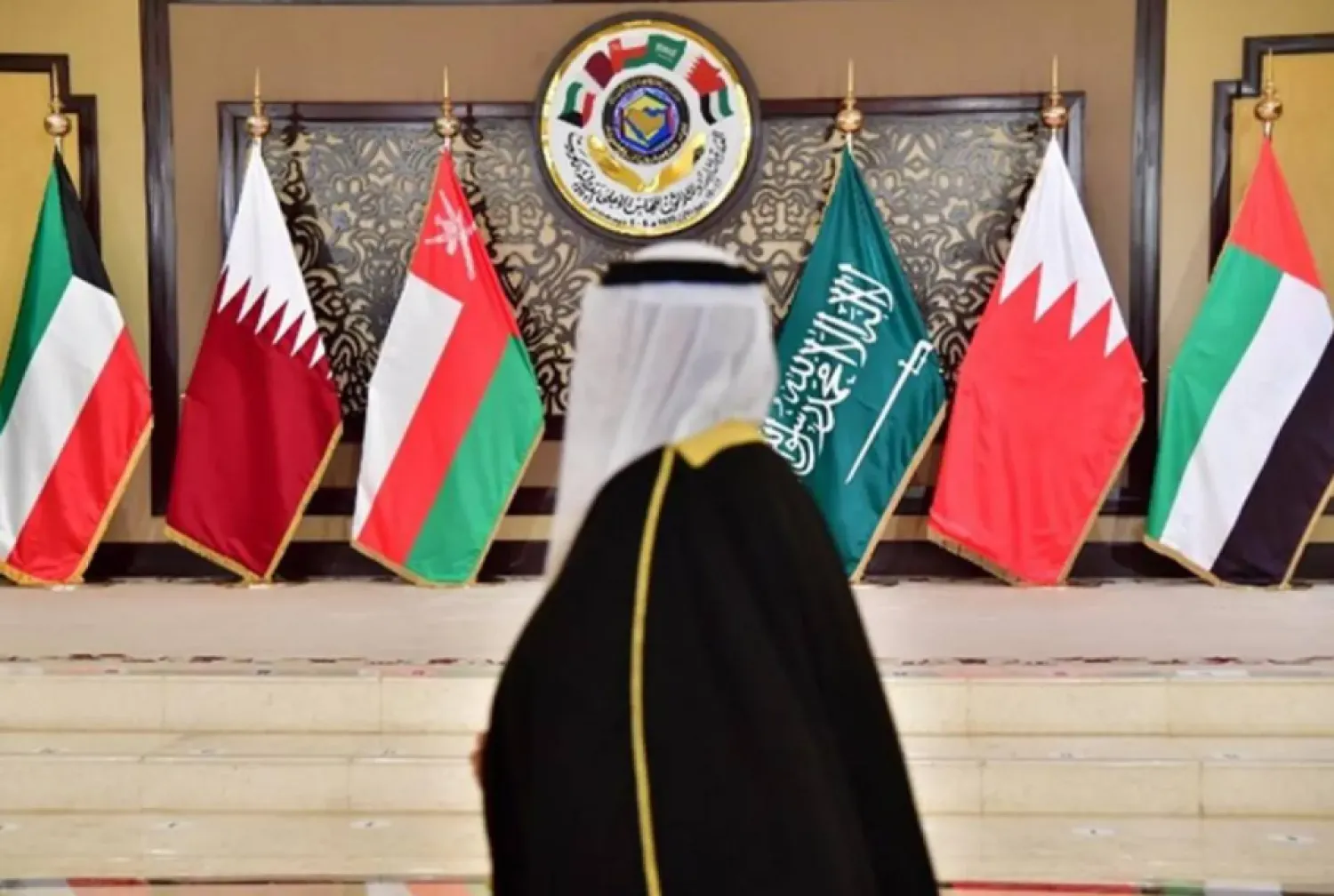

Secretary-General of the Gulf Cooperation Council (GCC) Jasem Albudaiwi affirmed that the Gulf economy is achieving growth exceeding the global average, and the Gulf labor market has grown by 25% in four years, thanks to the ambitious development visions of the GCC states.
Albudaiwi’s statements came during his speech at the 11th meeting of the Committee of Labor Ministers of the GCC countries, Thursday, in Kuwait City, chaired by Kuwaiti Minister of Social Affairs and Family and Childhood Affairs Dr. Amthal Hadi Haif Al Huwailah, who is the President of the current session. Present in the meeting were the GCC ministers of labor.
According to a press release by the GCC Secretariat General, Albudaiwi extended his thanks, appreciation, and gratitude to Amir of the State of Kuwait Sheikh Mishal Al-Ahmad Al-Jaber Al-Sabah for hosting the meeting, and for the facilities and support provided by the State of Kuwait for the success of the work of the Cooperation Council, emphasising the generous support and constant attention that joint Gulf action receives from the leaders of the GCC states, in all fields.
The GCC secretary-general explained that the committee meeting is being held in light of positive economic and social indicators that inspire optimism, as the International Monetary Fund has projected the economies of the GCC countries to grow by 4.1% in 2026, which is above the global average, SPA reported.
"This is driven by growth in the non-oil sectors, which have become the main engine of development thanks to ambitious visions and development projects," he explained.
Moreover, Albudaiwi pointed out that the GCC labor market has witnessed remarkable growth in recent years, as the number of workers in the GCC countries increased from about 27.9 million in 2020 to about 34.9 million in 2024, an increase of 24.8%.
"This reflects the success of policies aimed at reducing unemployment rates and expanding the role of the private sector, in addition to developing skills and increasing investment in the region," he stated.
Moreover, the GCC secretary-general emphasized that Gulf societies, with their vitality and youthful energy, constitute a significant wealth and an inexhaustible source of creativity, as participation rates in the Gulf labor market have surpassed the global average.
"This requires the development of labor policies capable of absorbing these energies and employing them in the best possible way," he underscored.
Furthermore, Albudaiwi praised the tangible progress in the field of empowering Gulf women, pointing to the increase in the percentage of female citizens in the total national workforce to 40.2% in the second quarter of 2024, compared to 36.4% in 2019, considering this a testament to the success of policies aimed at promoting gender balance and providing a supportive work environment for women.