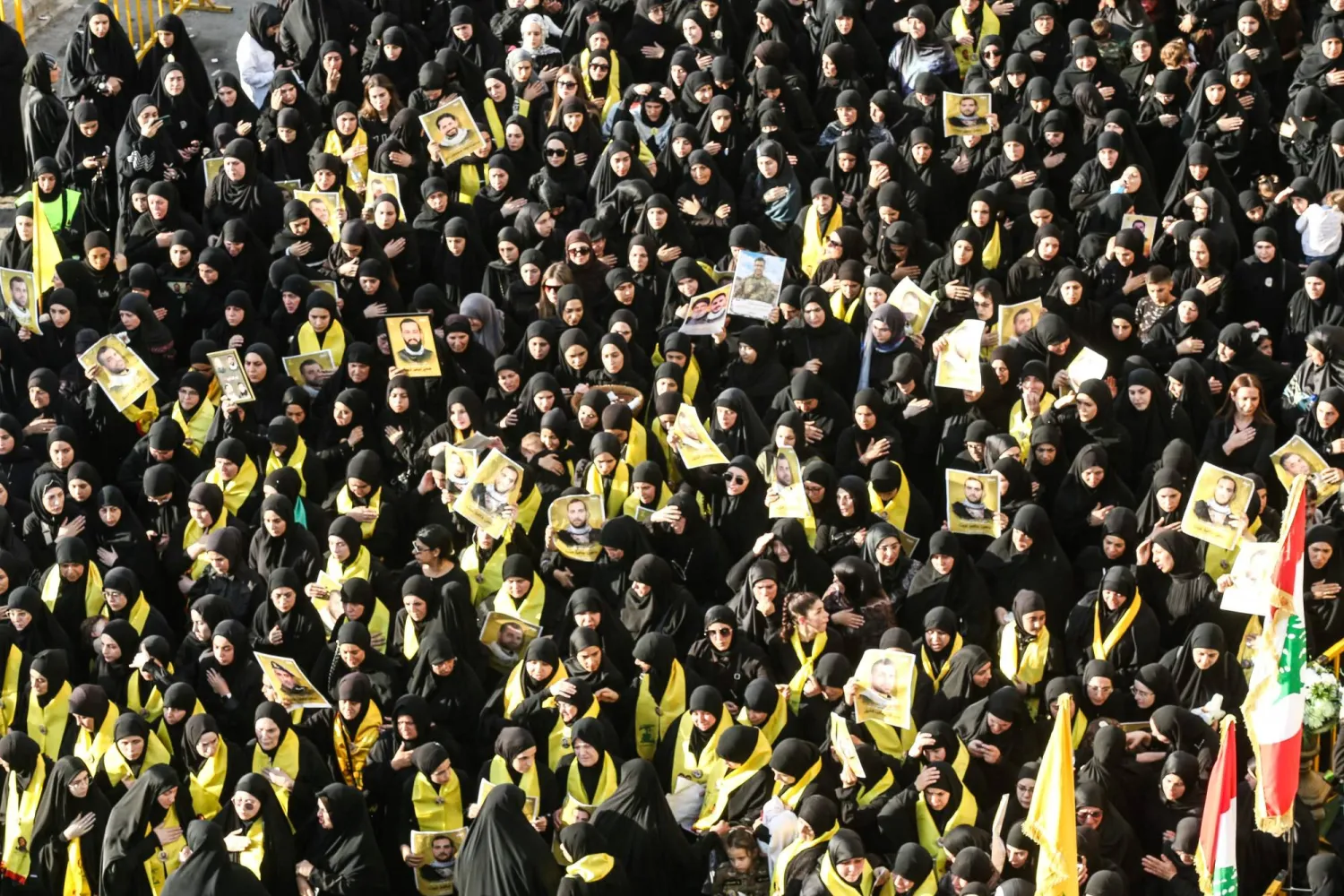
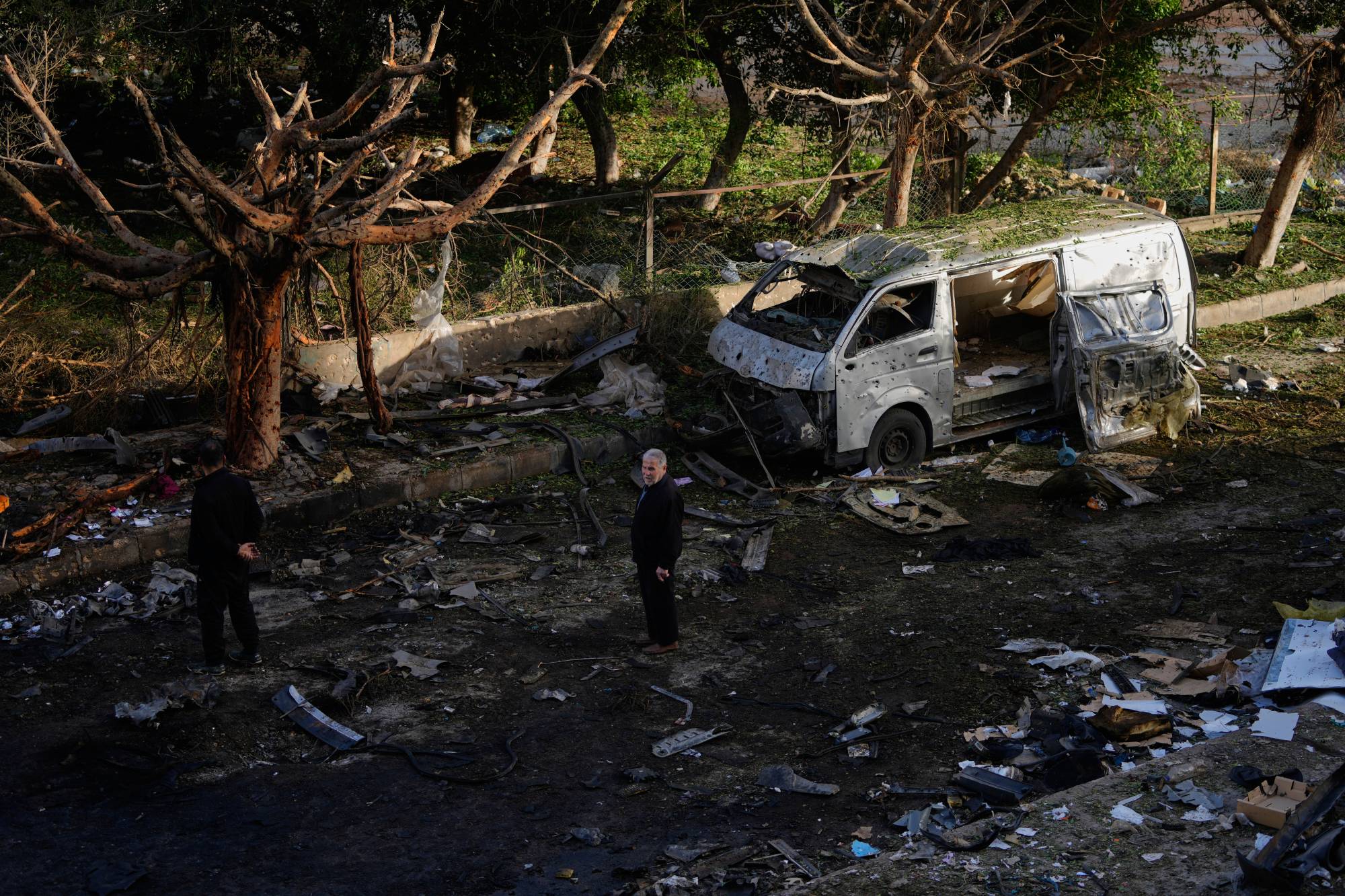
Since rising to power in 2014, Yemen’s Houthi movement, Ansar Allah, has systematically entrenched itself within the education system, rewriting curricula, renaming schools, and embedding ideological programs.
Classrooms have become a frontline in a broader struggle over identity and influence, and a pipeline for recruiting young people.
As public schools were sidelined and weakened, the group built a parallel model, recasting education as a controlled, camp-like environment. At its core is a network branded “Martyr of the Quran Schools,” positioned as an alternative system.
Seizure and spread
The shift has been enforced on the ground. Public school buildings have been taken over and rebranded. Kamran School in Ibb, for example, was renamed under the new label. Other schools have been given the names of Houthi figures, a move educators say aims to replace the state’s education identity.
The expansion has also reached mosques, including the Grand Mosque in Dhamar, Al-Shamsiya School, and Al-Firdous Mosque in Sanaa’s Sawaan district, which have been repurposed into centers under the same banner.
Within three years, the model has spread across Houthi-held areas, moving beyond major cities into districts.
The schools operate as closed boarding schools, providing housing, food, and supplies while imposing a tightly controlled ideological framework. The name itself invokes the group’s founder, Hussein Badr al-Din al-Houthi.
From headline to pattern
On March 3, 2024, Houthi authorities said 3,000 students had graduated from the network.
The figure appears routine. But it reflects just two years of intensive, closed education, from a project that only began to take shape in 2022, underscoring the speed of expansion.
Houthi media say the model started with one school in Sanaa, then one per province, before spreading rapidly, especially in the capital.
Accounts suggest similarities with the system used by Hezbollah in Lebanon. Houthi officials frame the schools as part of the founder’s vision to produce generations “aware of the Quran” and able to confront cultural challenges.
Blurred structures
The schools carry the formal name “Martyr of the Quran Secondary Schools for Sharia Sciences,” but key details, including their legal basis and oversight, remain unclear.
References to a “republican decree” establishing them have surfaced, but no confirmed evidence exists. Reports also refer to boards of directors and links to education officials, yet the structure remains opaque.
An entity described as the General Administration of Secondary Schools for Sharia Sciences, reportedly led by Houthi figure Mohammed al-Tawqi within the education ministry, appears to be connected, though its exact role is unclear.
The group’s “General Mobilization” apparatus, tasked with recruitment and ideological training, is a constant presence. It operates directly under Houthi leadership and coordinates with religious bodies, mirroring models used by Hezbollah and Iran-aligned groups elsewhere.
No oversight
A teacher in Sanaa province, speaking anonymously, said the schools operate outside formal educational supervision. Curricula and programs are not published, leaving their content difficult to assess.
Management, he said, is tied to Ansar Allah’s cultural and educational offices, not standard education authorities.
Funding is similarly opaque. The schools are backed by the group’s resources, including levies and compulsory contributions, with Houthi media pointing to the Zakat Authority and the General Mobilization body as sources.
Recruitment and incentives
Each academic year, aligned with the Islamic calendar adopted by the group, enrollment opens to students aged 15 to 17 who have completed basic education.
Admission requires interviews and tests that assess ideological commitment and readiness for a full two-year residential program.
The incentives are clear: full accommodation, meals, clothing, and free tuition, alongside intensive daily programs described as faith-based.
The schools currently focus on secondary education, but expansion is underway. Graduates receive certification from an affiliated religious academy and can pursue further study or join institutions, including the group's military colleges.
A controlled day
Details of the curriculum remain scarce, but officials describe a rigid schedule. According to a school supervisor in Sanaa, the day starts at 4 a.m. with prayers and Quran study, followed by classes, then extended ideological sessions in the afternoon and evening.
Students study the writings of Hussein al-Houthi, attend lectures, and watch group-produced content as part of sustained indoctrination.
The program runs for two years in a closed setting, largely cut off from families.
Teachers are also drawn in. With public sector salaries disrupted, many join these schools, where pay is available, but they must first undergo ideological training.
Beyond the classroom
Activities extend beyond formal lessons. Students visit sites linked to Houthi leaders, including the grave of Hussein al-Houthi and that of Saleh al-Sammad, framed as “faith-building” experiences.
Annual events, including “Martyr’s Day,” feature speeches, marches, and staged combat scenes, reinforcing themes of jihad and allegiance.
A former teacher said the activities follow a structured program designed to build loyalty before academic learning. Students are trained in public speaking, media presence, and simulated combat, and take part in security-style exercises.
Militarization of school life
Military elements are integrated into daily life, with exposure to weapons and organized student parades, such as one held in Raymah province in February 2025.
School environments reinforce the messaging, with classrooms filled with images, slogans, and ideological language tied to the group.
“It is not an educational institution,” one teacher said. “It is a place to shape students.”
Pressure and withdrawal
A student in Sanaa province, identified as Sadiq, said he left after his father learned of the school’s ideological focus.
He described a reduced academic schedule, with only three classes a day, while the rest of the time is devoted to lectures.
“After the lecture, if a student cannot answer questions, he is beaten,” he said, adding that many stopped attending under the pressure.
Parallel system, uncertain future
The rise of these schools has created a parallel education track alongside the recognized system, leaving students exposed if conditions shift.
Houthi media promote student statements dismissing other schools as lacking real knowledge, reflecting a broader effort to discredit formal education.
Graduates emerge shaped by a strong ideological framework, raising questions about their academic and professional prospects and the long-term impact on Yemen.
Education, once a space for critical thinking and opportunity, is being recast as a tool of mobilization, reshaping a generation in line with a narrow ideological project.