


Abbas Calls on Hamas to Disarm, Israel to Withdraw from Gaza

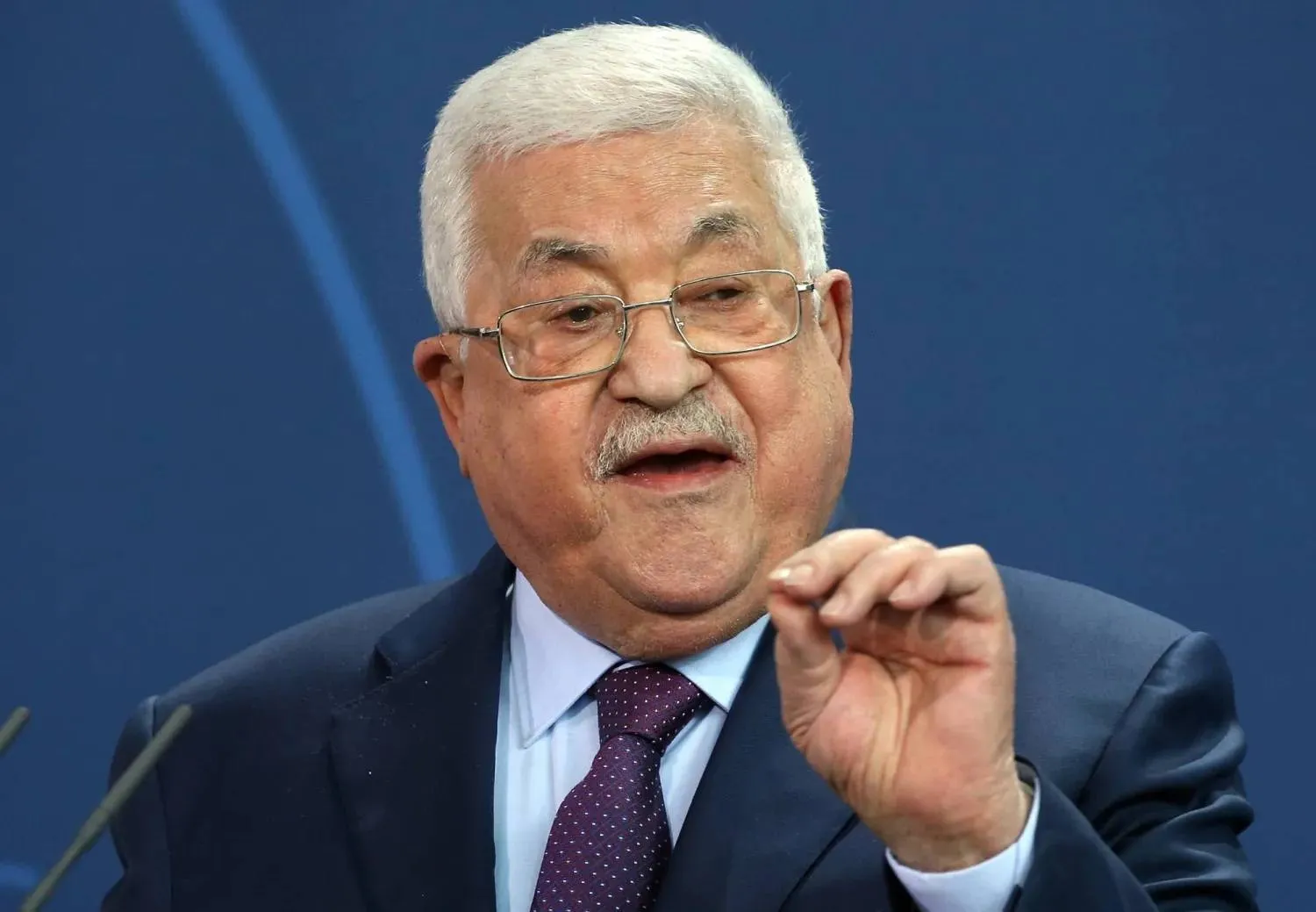
Palestinian President Mahmoud Abbas. (dpa)
TT

Abbas Calls on Hamas to Disarm, Israel to Withdraw from Gaza

Palestinian President Mahmoud Abbas. (dpa)

Palestinian President Mahmoud Abbas said on Saturday that the second phase of US President Donald Trump’s ceasefire plan in Gaza demands Israel’s withdrawal from the enclave and for Hamas and other armed groups to turn over their weapons to his Palestinian Authority.

Speaking during a telephone call with German Chancellor Friedrich Merz, Abbas added that his priority now lies in implementing Trump’s plan to end the war, stop the bloodshed and ease the suffering of the Palestinian people in Gaza and prevent their displacement.

The implementation of the second phase will pave the way for the deployment of Palestinian police and the international stabilization force in Gaza and the launch of the reconstruction phase in an organized and effective manner, he explained.

Parallel steps must be carried out in the occupied West Bank to put an end to Israeli measures that are undermining the two-state solution, Abbas continued.

He demanded an end to Israeli settler violence against the Palestinian people, an end to settlement expansion and annexation policies, and an end to Israeli policies that are harming the Palestinian economy and government’s ability to meet its commitments to the people.

Abbas reiterated his condemnation of Hamas’ October 7, 2023 attack, saying the movement “must end its rule in Gaza and hand over its weapons.”

He renewed Palestine’s commitment to recognize Israel and the two-state solution, “so that an independent Palestinian state can coexist side by side by Israel in peace and security.”

Abbas and Merz held their call hours before the German leader arrived in Israel on an official visit.



SDRPY Signs Agreement to Boost Food Security for over 16,000 Yemenis

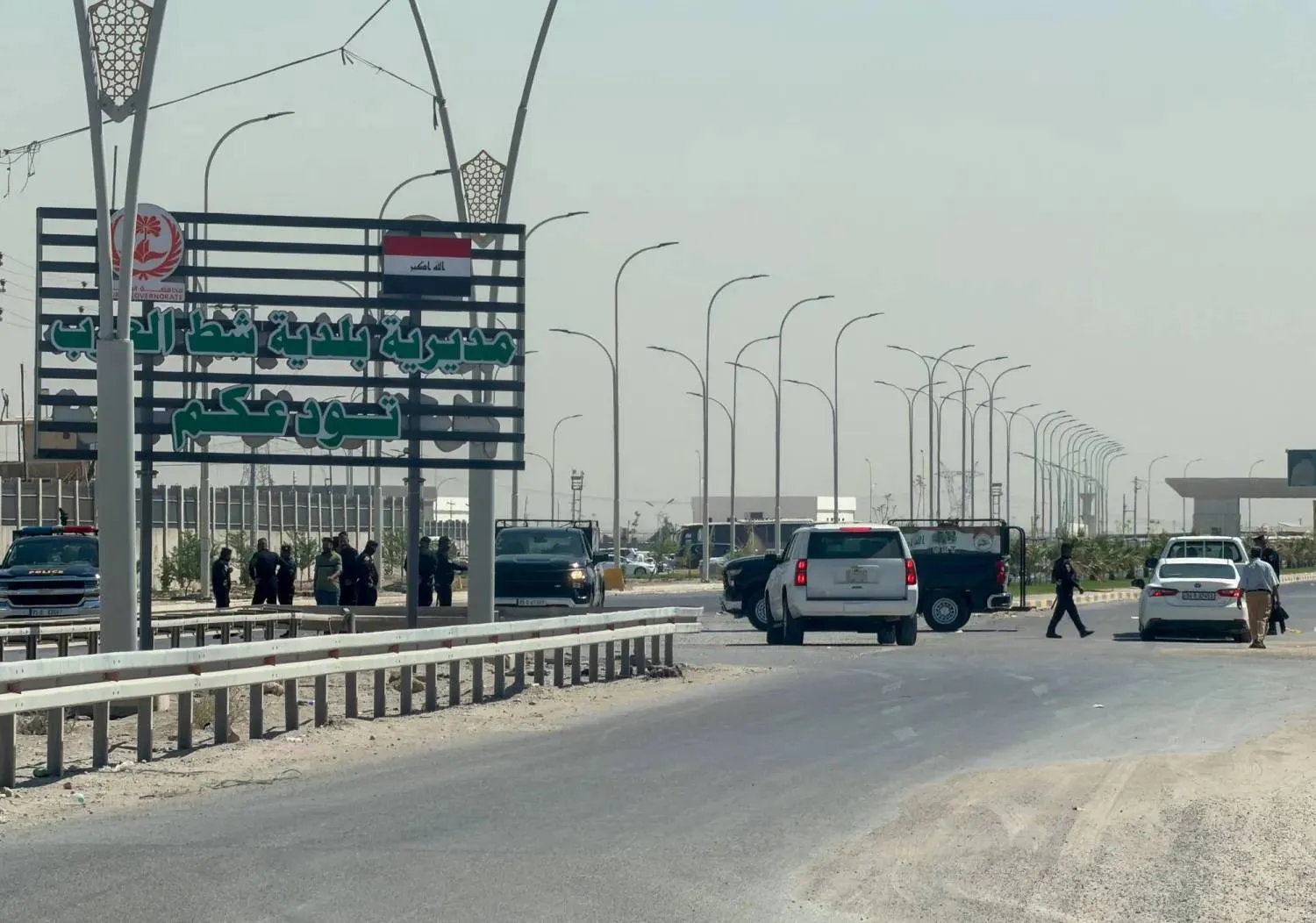
The initiative targets approximately 2,300 Yemeni families - SPA
TT

SDRPY Signs Agreement to Boost Food Security for over 16,000 Yemenis

The initiative targets approximately 2,300 Yemeni families - SPA

The Saudi Development and Reconstruction Program for Yemen (SDRPY) signed an agreement with the Estijabah Foundation for Humanitarian Aid and Relief to implement a project for strengthening the agricultural value chain for smallholders.

The initiative targets approximately 2,300 Yemeni families—representing over 16,000 beneficiaries—across the agriculturally and economically vital governorates of Abyan, Marib, and Hadhramaut.

Designed to address the developmental needs of rural communities, the project supports the agricultural sector as a cornerstone of Yemeni economic stability. It aims to develop an integrated agricultural value chain by improving inputs, increasing the efficiency of irrigation technologies, and enhancing the sustainability of livelihoods for pastoral families relying on livestock.

By transitioning beneficiaries from low-yield to high-value production, the initiative seeks to boost farmers' economic returns, improve food security, and foster social stability. Particular attention will be given to the most vulnerable demographics, including female-headed households, the elderly, and people with disabilities.


Israel Orders Evacuation of Swathe of South Lebanon as Katz Authorizes Military to Advance

Israeli tanks maneuver near the Israel-Lebanon border, in northern Israel, Wednesday, March 4, 2026. (AP Photo/Ariel Schalit)
TT

Israel Orders Evacuation of Swathe of South Lebanon as Katz Authorizes Military to Advance

Israeli tanks maneuver near the Israel-Lebanon border, in northern Israel, Wednesday, March 4, 2026. (AP Photo/Ariel Schalit)

The Israeli military ordered the evacuation of a swathe of southern Lebanon on Wednesday, telling residents to move north of the Litani River on a third day of full-blown hostilities with Hezbollah.

While Israel has already warned residents to leave dozens of villages in southern Lebanon, ⁠Wednesday's evacuation order ⁠was the broadest yet.

Israeli Defense Minister Israel said on Tuesday he had authorized the military to advance and take control of additional positions in Lebanon, where Israeli troops have held several hilltops since a war with Hezbollah in 2024.

Israeli strikes ⁠have killed dozens of people in Lebanon since Monday, according to the Lebanese health ministry. Many thousands of Lebanese have already fled their homes.

The war in the Middle East spread to Lebanon on Monday, when Hezbollah opened fire, saying it aimed to avenge the killing of Iranian Supreme Leader Ali Khamenei in the US-Israeli attack on Iran.

Hezbollah announced several attacks on Wednesday, including one using what it described as a precision-guided missile that it said was fired at a military facility in northern Israel.

Israeli military spokesperson Effie Defrin said the Israeli military had attacked more than 250 Hezbollah targets throughout Lebanon over a 48-hour period.


Aid Trucks Resume Crossing Egypt-Gaza Border After Closure

Internally displaced Palestinians scramble for an Iftar meal being distributed by a charity kitchen during the holy month of Ramadan, in Khan Younis, southern Gaza Strip, 26 February 2026. (EPA)
TT

Aid Trucks Resume Crossing Egypt-Gaza Border After Closure

Internally displaced Palestinians scramble for an Iftar meal being distributed by a charity kitchen during the holy month of Ramadan, in Khan Younis, southern Gaza Strip, 26 February 2026. (EPA)

More than 100 aid trucks crossed the Egyptian side of Gaza's Rafah border crossing on Tuesday, two sources told AFP.

Israel closed all crossings into the Gaza Strip on Saturday, after it launched a joint attack on Iran with the United States.

It agreed to reopen the Kerem Shalom crossing, where trucks from Egypt are inspected, for the "gradual entry of humanitarian aid".

"More than 100 United Nations aid trucks, including UNICEF's, entered the Rafah border crossing" on Tuesday, a source at the border told AFP on Wednesday on condition of anonymity.

An official with the Egyptian Red Crescent, which coordinates aid deliveries, said the trucks "went through Rafah to the Kerem Shalom crossing," where Israeli authorities did not send any back to Egypt -- their procedure when aid shipments are rejected.

Both sources said no Palestinians were allowed through the crossing on Tuesday.

The Rafah crossing, the only gateway for Gazans to the outside world that does not pass through Israel, had reopened for a trickle of people on February 2, nearly two years after Israeli forces seized it.

A statement from the Red Crescent on Tuesday said the convoy included hundreds of tons of food, relief supplies and "fuel products to operate hospitals and vital facilities".

The UN had warned its partners were "forced to ration fuel, prioritize life-saving operations" in the devastated Palestinian territory.

The Red Crescent official said another aid convoy was sent on Wednesday and was waiting to be allowed in.

The October peace deal between Israel and Palestinian group Hamas stipulates that 600 aid trucks should be allowed in per day.