



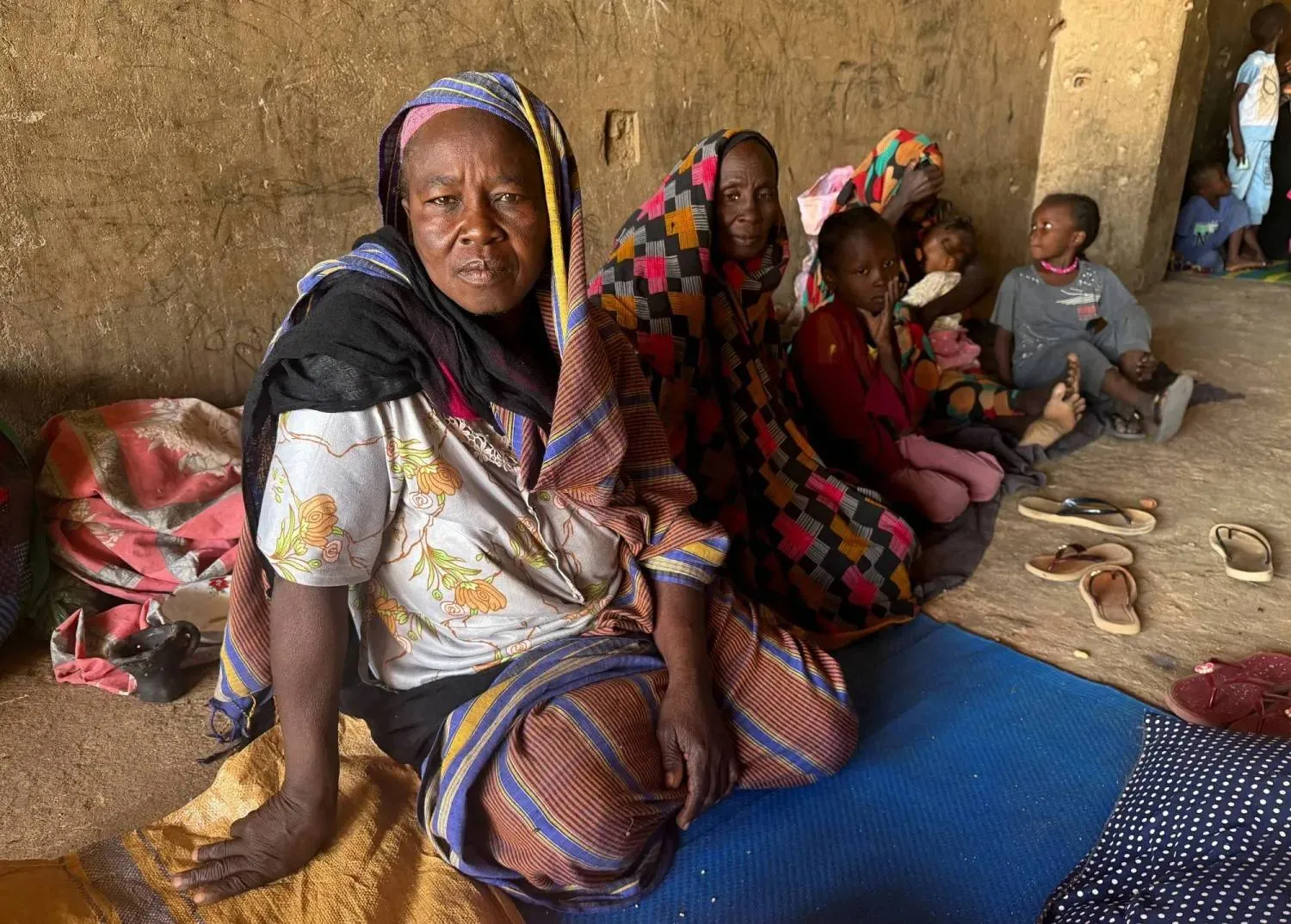

The UN Children’s Fund (UNICEF) said Thursday that Sudan has become the world’s largest internal displacement crisis, with an estimated 9.5 million people uprooted across 18 states.
In a statement on X, the agency said, “For nearly three years, Sudanese children have endured a deepening humanitarian emergency driven by violence, displacement, disease and widespread hunger.”
UNICEF said it continues to operate on the ground with partners to deliver life-saving services to children and families affected by the crisis, including health and nutrition care, access to safe water, psychosocial support and education.
Since April 15, 2023, the Sudanese army and the paramilitary Rapid Support Forces (RSF) have been locked in a war that has killed thousands of people.
Separately, High Representative of the EU Foreign Affairs Council, Kaja Kallas, said the Union’s foreign ministers approved on Thursday the imposition of sanctions on members of the two Sudanese warrying parties due to the dramatic escalation of violence and serious violations of international humanitarian and human rights law.
“The Ministers approved new sanctions against members of RSF and the SAF. These measures alone will not end the war, but they will increase the cost for those responsible,” she said.
The RSF captured the city of El-Fasher in late October after an 18-month siege, consolidating its control over western Sudan.
Extensive documentation confirmed the RSF committed severe atrocities in the city.
Meanwhile, Doctors Without Borders/Médecins Sans Frontières (MSF) described on Thursday El-Fasher as largely destroyed and emptied, with few civilians remaining, adding that its teams were granted access to the city to assess the current situation for civilians and health facilities after the RSF seized the city last October.
“On January 15, our team spent four hours in El-Fasher while under the constant supervision of security officials. We saw destroyed areas, largely emptied of the communities that used to live there. The regional capital now looks like a ghost town, with few civilians remaining,” the organization reported.
MSF said its fears are now growing that most of the civilians who were still alive when RSF seized the city have since been killed or displaced.
The team went to health facilities and two displacement sites hosting mostly women, children, and elderly people.
In the health facilities, the teams reiterated their willingness to support referrals of patients in need of surgery to existing MSF projects with surgical capacity.
“Our visit was too limited to allow us to get more than a glimpse of El-Fasher, yet this glimpse was a grim reminder of the sheer scale of the destruction that took place in the city as many of its residents were wiped out,” MSF said.
It affirmed that the patients in the nearby town of Tawila have shared stories of mass killings, torture, kidnappings, and other violence occurring in the city and along escape routes.
UNICEF spokesperson Eva Hinds said last week more than 500,000 displaced people are in Tawila, warning that further people are expected to arrive to the city.


