
Saudi Arabia Leads Region in Women’s Empowerment, Records Strongest Global Progress

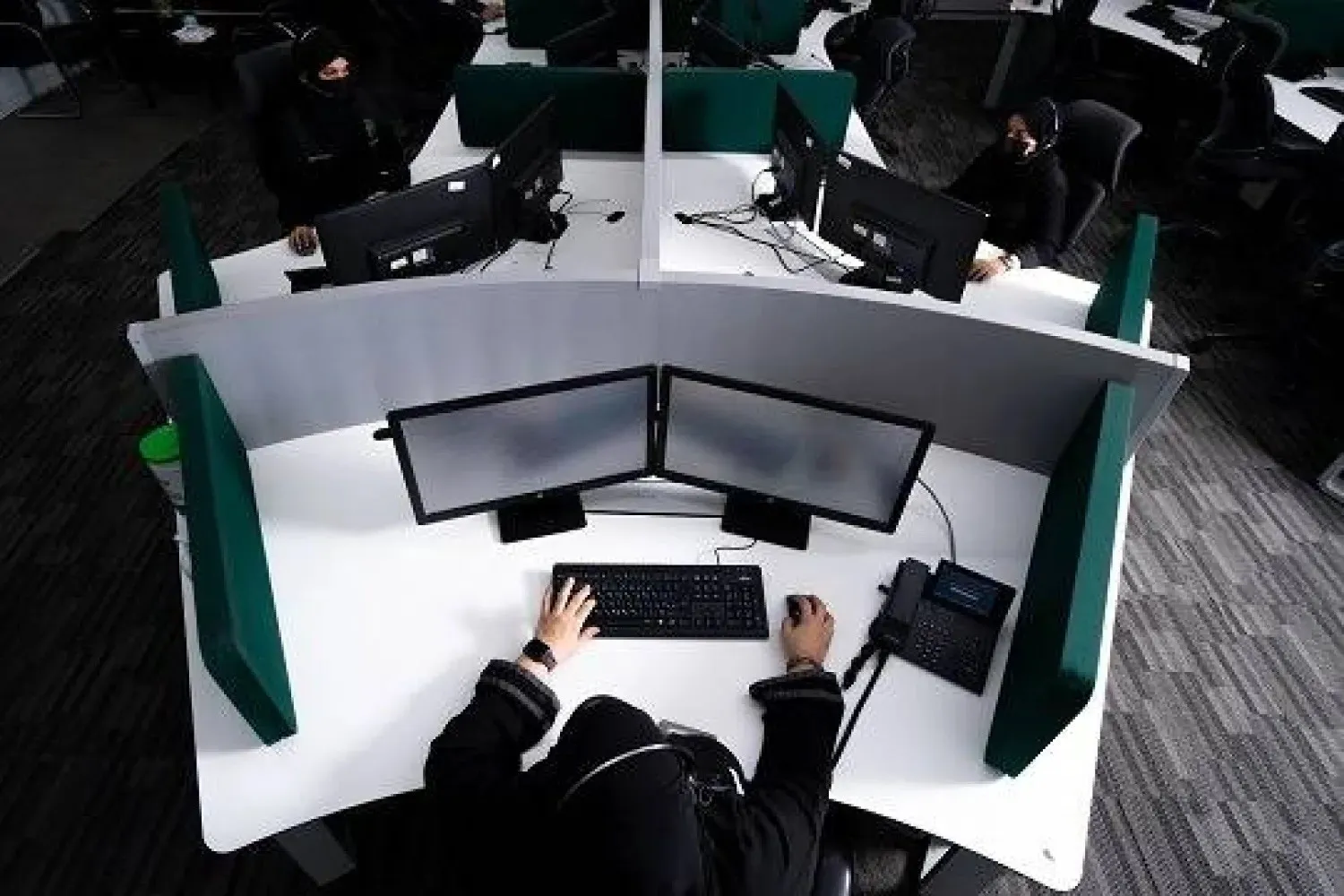
Saudi women working at the Ministry of Interior. (Ministry of Interior)
TT

Saudi Arabia Leads Region in Women’s Empowerment, Records Strongest Global Progress

Saudi women working at the Ministry of Interior. (Ministry of Interior)

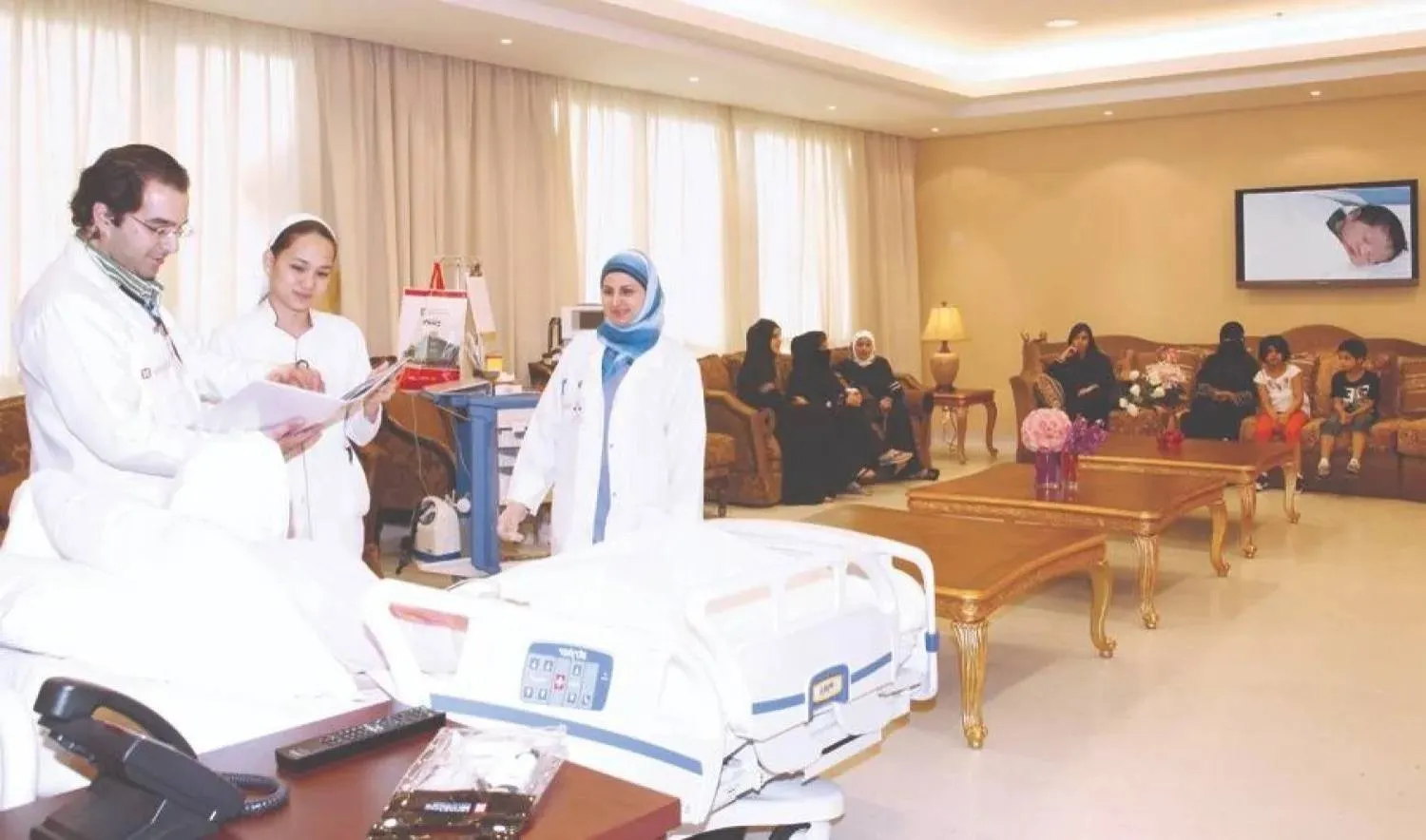
Saudi Arabia has ranked first in the Middle East for women’s empowerment and recorded the highest global improvement in supportive frameworks, according to the World Bank’s Women, Business and the Law 2026 report.

The Kingdom posted the largest increase in points worldwide in the “supportive frameworks” pillar and also advanced in the legal frameworks category. The supportive frameworks indicator evaluates national policies, action plans and initiatives designed to ensure effective implementation of legislation related to women.

Women’s empowerment has been a central priority for the Saudi government, particularly the Ministry of Human Resources and Social Development, under Vision 2030. Expanding women’s participation in the labor market is one of the Vision’s core objectives.

A series of legislative reforms and regulatory changes in recent years has strengthened women’s position in Saudi society, enabling them to play a greater role in economic, social, scientific and cultural fields.

According to the World Bank report, Saudi Arabia achieved the highest score in the supportive frameworks pillar among Middle East countries and ranked first among Gulf Cooperation Council (GCC) states in overall performance across all indicators.

The Kingdom also outperformed several Group of Twenty (G20) economies, including the United States, China and Türkiye, in the same category, underscoring the scale of its recent reforms.

In 2023, Saudi Arabia raised its target for women’s labor force participation to 40 percent by 2030, after already surpassing its initial Vision 2030 goal of 30 percent. Female participation rose from 17 percent to 35.3 percent, exceeding expectations well ahead of schedule.

Momentum continued in 2025, with women’s labor force participation surpassing 36 percent. Female unemployment fell to its lowest levels on record, reaching 10.5 percent overall and 12.1 percent during the first half of the year.

These gains were driven by legislative reforms and targeted initiatives such as “Wusool,” which supports transportation for working women, and “Qurrah,” which provides childcare assistance.

Women’s representation in leadership and technology roles has also increased significantly, reinforcing their role as key contributors to Vision 2030.

More than 122,000 female job seekers have benefited from the Parallel Training Initiative, which offers specialized programs designed to boost sustainability in private-sector employment.

The initiative boasts more than 800 training modules covering both soft and technical skills, delivered through partnerships with over 70 training providers. To date, more than 280,000 certificates have been issued to participants, strengthening their qualifications and long-term career prospects.


Macron Arrives in Kenya Ahead of Africa Summit

French President Emmanuel Macron (L) shakes hands with Kenyan President William Ruto (R) during a reception at State House ahead of the Africa Forward: Africa- France Partnerships for Innovation and Growth Summit in Nairobi, on May 10, 2026. (AFP)
TT

Macron Arrives in Kenya Ahead of Africa Summit

French President Emmanuel Macron (L) shakes hands with Kenyan President William Ruto (R) during a reception at State House ahead of the Africa Forward: Africa- France Partnerships for Innovation and Growth Summit in Nairobi, on May 10, 2026. (AFP)

President Emmanuel Macron on Sunday met with his Kenyan counterpart William Ruto in Nairobi as part of an African visit aimed at renewing France's engagement with the continent after years of strained ties with former colonies.

Macron is to co-host a two-day summit starting on Monday, bringing together African leaders and business executives, as he seeks to cement his legacy one year before the end of his term.

The meeting will focus on economic development and cross-border investment, among other themes, the French presidency said, stressing that it will be the first such forum held in an English-speaking country.

Macron hopes to highlight France's renewed relationship with the continent as a "report card on his Africa policy", said one diplomat.

Anti-French sentiment runs high in some former African colonies as the continent becomes a renewed diplomatic battleground, with Russian and Chinese influence growing.

Once master of vast expanses of northern, central and western Africa, France has played a crucial role in the continent's post-colonial history, repeatedly intervening militarily since the early 1960s.

France has vowed to abandon the so-called "Francafrique" strategy, under which Paris sought to keep francophone Africa under its thumb through political collusion, exclusive access for French businesses and oblique financial deals, including graft.

Macron arrived in English-speaking Kenya from Egypt and is also due to travel to Ethiopia as part of his Africa tour.


China, US to Hold Trade Talks in South Korea Next Week

 Treasury Secretary Scott Bessent listens as President Donald Trump speaks at a charter school in The Villages, Fla., Friday, May 1, 2026. (AP)
Treasury Secretary Scott Bessent listens as President Donald Trump speaks at a charter school in The Villages, Fla., Friday, May 1, 2026. (AP)
TT

China, US to Hold Trade Talks in South Korea Next Week

 Treasury Secretary Scott Bessent listens as President Donald Trump speaks at a charter school in The Villages, Fla., Friday, May 1, 2026. (AP)
Treasury Secretary Scott Bessent listens as President Donald Trump speaks at a charter school in The Villages, Fla., Friday, May 1, 2026. (AP)

Senior Chinese and US officials will hold talks in South Korea next week, Beijing's commerce ministry and Washington's Treasury secretary said Sunday, ahead of an expected summit between leaders Xi Jinping and Donald Trump.

The Chinese commerce ministry said in a statement that Vice Premier He Lifeng, Beijing's top economic official, will attend "consultations on mutual economic and trade issues" on Tuesday and Wednesday.

US Treasury Secretary Scott Bessent said in a post on X: "On Wednesday, I will stop in Seoul for a discussion with Vice Premier He Lifeng of China, before continuing on to Beijing for the Leaders' Summit between President Trump and President Xi."

Trump is set to visit China for a high-stakes summit with Xi, with the two leaders expected to focus on easing tensions over trade and Taiwan, with the war in the Middle East looming large over talks.

While Washington and Beijing slapped tit-for-tat tariffs on each other's exports a year ago, Trump and Xi agreed on a year-long trade truce at their October meeting in South Korea.


Aramco CEO Warns 1 Billion Barrels Lost Will Slow Oil Market Recovery

President and CEO of Saudi's Aramco, Amin Nasser, speaks during the Future Investment Initiative (FII) in Riyadh, Saudi Arabia October 29, 2024. (Reuters)
TT

Aramco CEO Warns 1 Billion Barrels Lost Will Slow Oil Market Recovery

President and CEO of Saudi's Aramco, Amin Nasser, speaks during the Future Investment Initiative (FII) in Riyadh, Saudi Arabia October 29, 2024. (Reuters)

The world has lost about 1 billion barrels of oil over the past two months and energy markets will take time to stabilize even if ‌flows resume, ‌Saudi Aramco’s CEO said on ‌Sunday, ⁠as shipping disruptions ⁠choke traffic through the Strait of Hormuz.

"Our objective is simple: keep energy flowing, even when the system is under strain," Amin Nasser told Reuters in a statement after Aramco reported a 25% ⁠jump in net profit in ‌its first-quarter.

Global energy supplies ‌have been sharply squeezed by Iran’s blockade of ‌the Strait of Hormuz, which ‌has curtailed shipping and driven prices higher following the US-Israeli war.

"Reopening routes is not the same as normalizing a market that has ‌been deprived of about one billion barrels of oil," Nasser said, ⁠adding ⁠that years of underinvestment have compounded the strain on already-low global inventories.

Aramco has used its East-West Pipeline to bypass Hormuz and transport crude to the Red Sea, an asset Nasser described as a "critical lifeline" to mitigate the global supply crisis.

Despite shifts in shipping routes, Nasser reiterated that Asia remained a key priority for the company and was central to global demand.