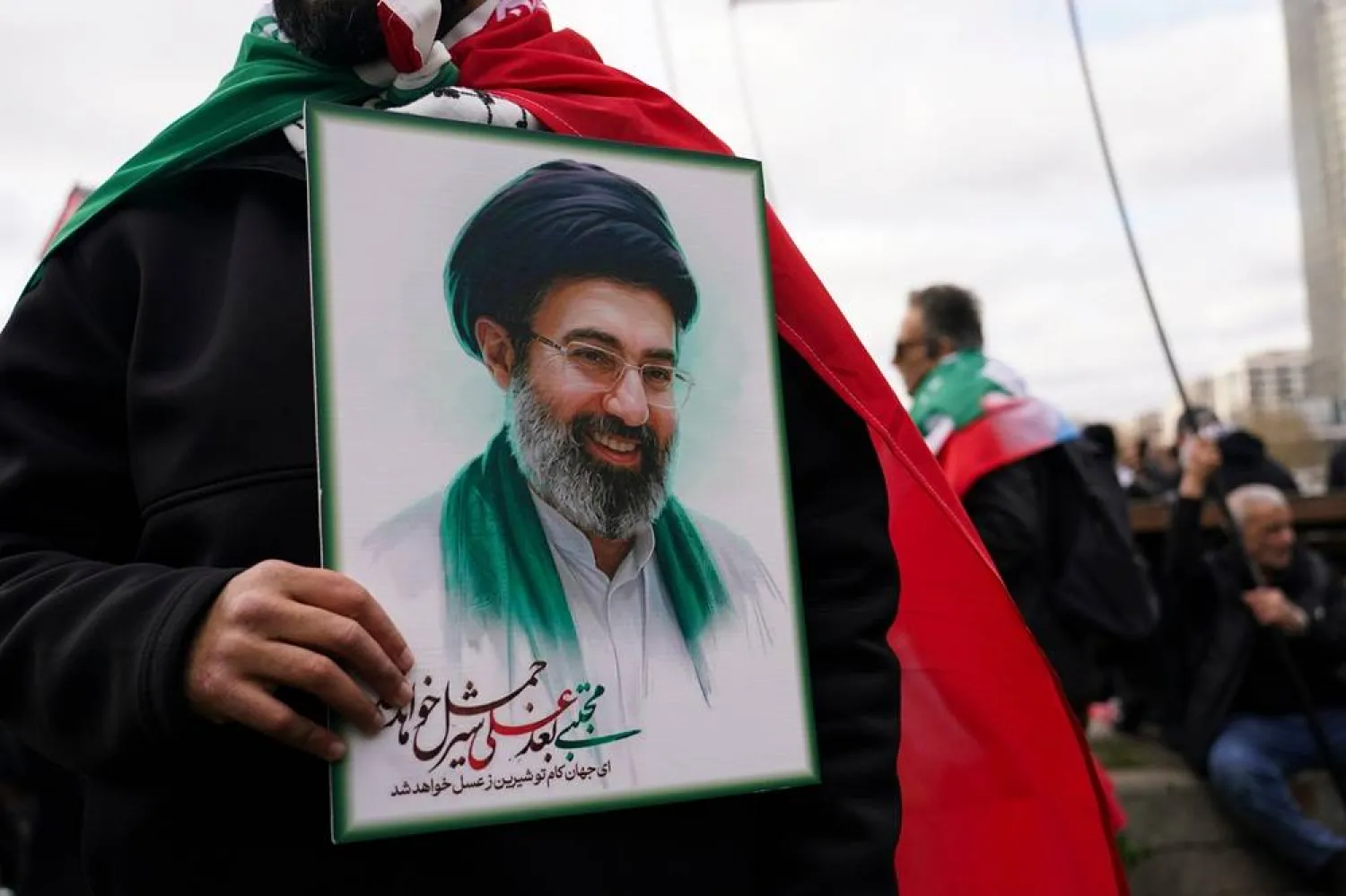

Western diplomatic sources have outlined to Asharq Al-Awsat the tight inner circle surrounding Iran’s new Supreme Leader, Mojtaba Khamenei, shedding light on the key figures shaping decision-making at a critical moment for the country.
According to these sources, any serious discussion of a comprehensive ceasefire in the ongoing war with Israel and the US is unlikely to begin until this inner circle concludes that the country has reached a point of military exhaustion and that prolonging the conflict would only deepen its strategic predicament.
The sources also dismissed claims over Khamenei’s lack of experience over decision-making. Khamenei has long been involved in the decision-making process within the office of his late father, former Supreme Leader Ali Khamenei, they stressed. He has also maintained extensive ties with Iran’s military leadership, particularly within the Iranian Revolutionary Guard Corps (IRGC).
A key figure in this circle is Mohsen Rezaei, appointed by Mojtaba Khamenei as a senior military adviser. Often described as a “man of war”, Rezaei is also believed to have been among those who advised Khomeini to accept the ceasefire with Iraq at the end of the Iran-Iraq War, when Iranian forces were reportedly exhausted.
The sources identified several influential figures in the Supreme Leader’s inner circle. The most prominent among them is parliament Speaker Mohammad Bagher Ghalibaf, a former IRGC commander who is said to have played a leading role during last year’s 12-day conflict with Israel.
Other key figures include General Ahmad Vahidi, the commander of the IRGC, who previously served as minister under both presidents Ebrahim Raisi and Mahmoud Ahmadinejad, and was the first commander of the Quds Force, the foreign arm of the IRGC.
General Rahim Safavi, a senior adviser during the tenure of the slain Khamenei, General Ali Abdollahi, head of operations at the armed forces’ general staff, General Majid Mousavi, commander of the IRGC’s missile unit, and Rear Admiral Alireza Tangsiri, head of its naval forces, are also part of the new supreme leader’s inner circle.
Despite the heavy blows, the Iranian regime has so far succeeded in preventing any fragmentation within its military and leaderships, the sources noted.
Developments indicate that Iran’s military leadership had preprepared a strategy aimed at making any war against it extremely costly for both the region and the global economy.
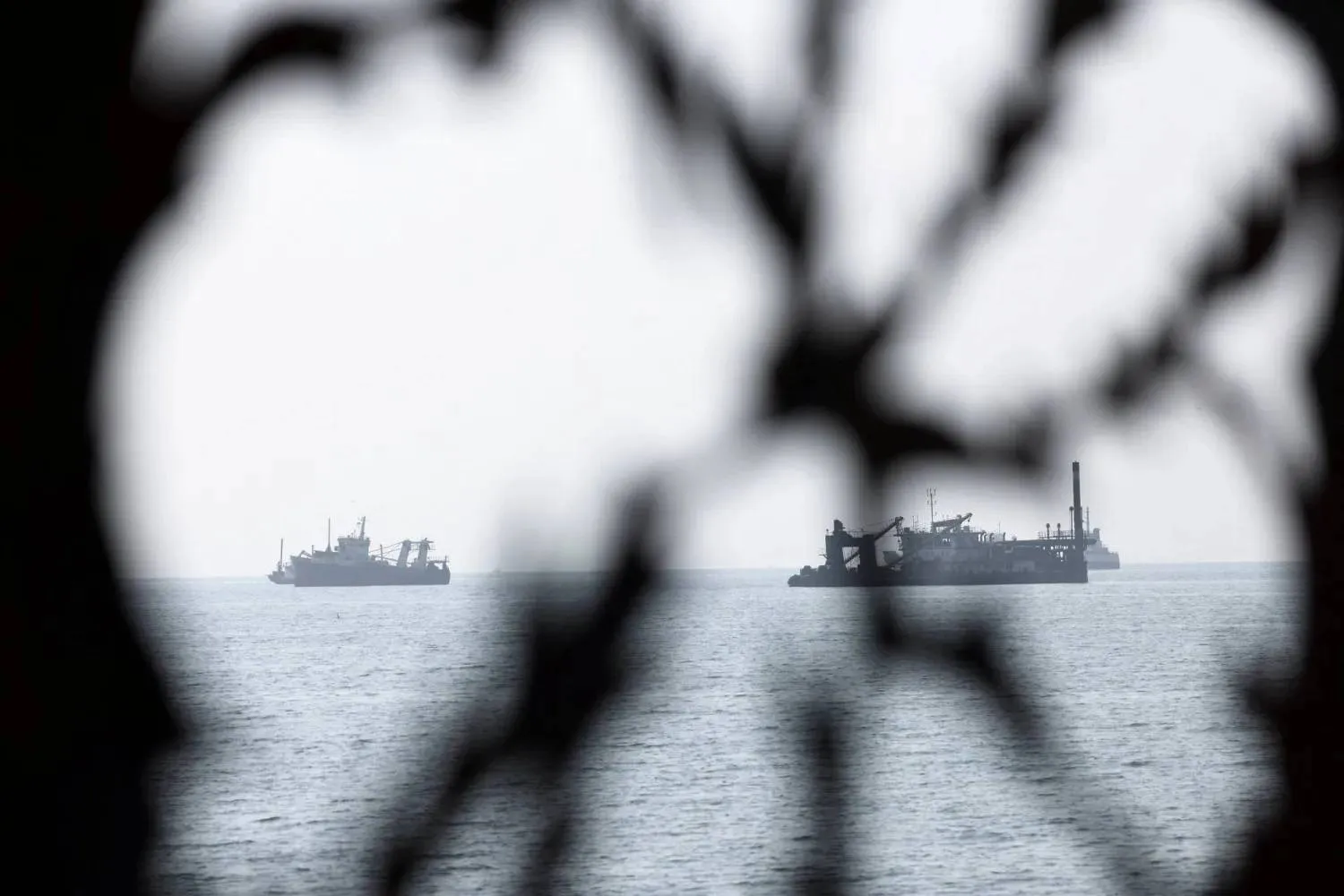
This strategy, they said, rests on two main pillars: first, “drawing Gulf states into the theater of war through missile and drone attacks under the pretext of targeting US presence”; and second, “causing widespread or total disruption to maritime traffic through the Strait of Hormuz.”
The sources added that Tehran is betting on what it perceives as US President Donald Trump’s limited patience for prolonged conflict, especially amid rising oil prices, which Iran hopes could approach $200 per barrel, the proximity of US midterm elections, and the lack of broad public support for war.
On the other side, US and Israeli forces have escalated strikes in an effort to demonstrate the scale of destruction inflicted on Iran’s military arsenal and defense industries.
The objective of regime change appears to have receded in favor of a strategy of attrition, one that could compel Iran to scale back what the sources described as its “self-destructive behavior.”
The sources suggested that the new supreme leader may initially find it difficult to adopt a flexible or conciliatory stance in his first test of leadership. However, a growing sense that continued attrition could trigger internal unrest — or even raise questions about the regime’s survival — may ultimately lead senior military figures to conclude that preserving the system justifies accepting painful compromises.
They also warned that missile and drone attacks targeting Gulf Cooperation Council (GCC) countries could prove counterproductive, particularly as they have largely struck civilian targets.
The sources stressed that the Gulf states’ significant regional and international standing could form the basis for mounting global pressure on Iran to agree to a ceasefire. When that moment comes, Tehran may find that the war has set it back by years.