



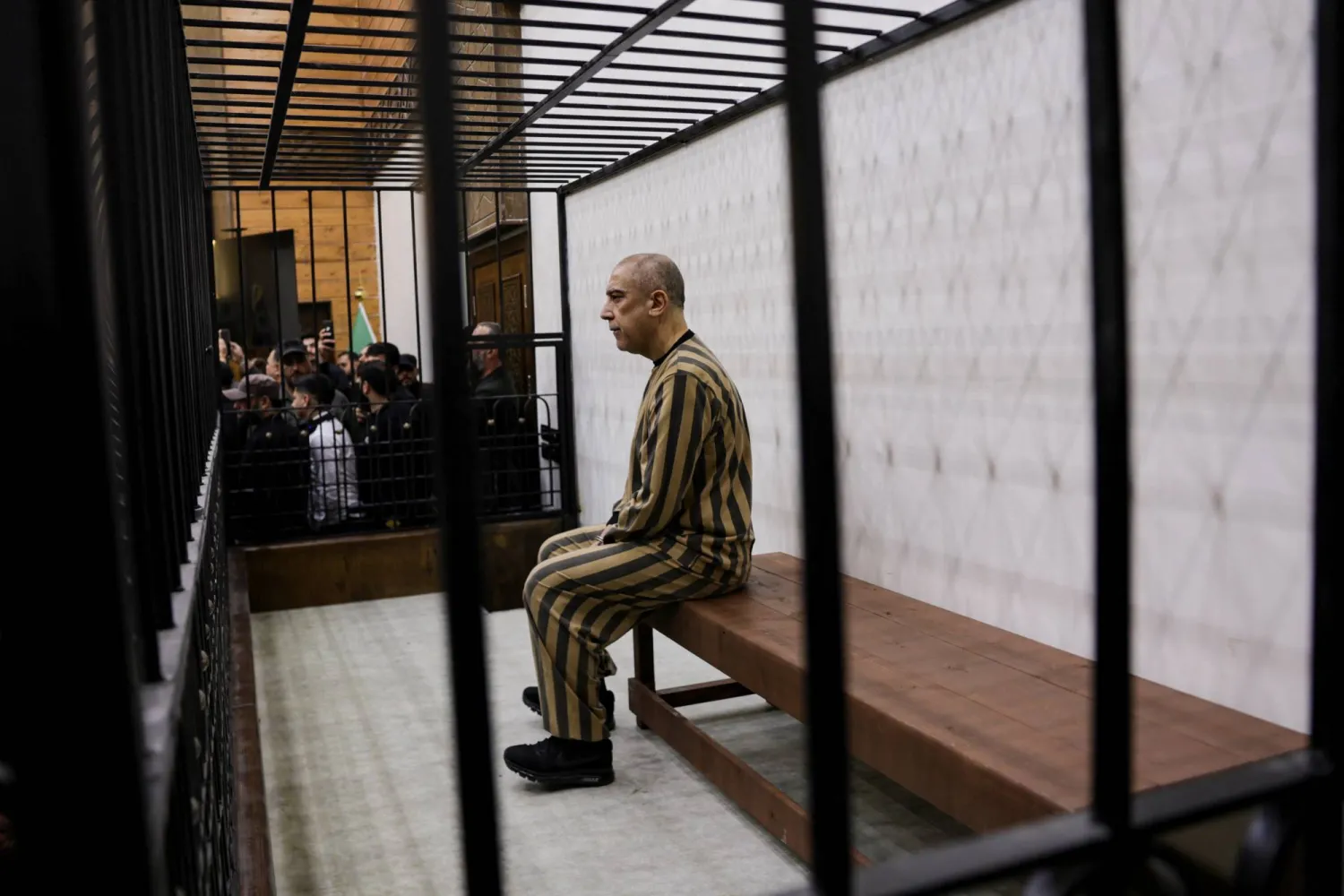

The trial of former Syrian security official Atef Najib, accused by residents of Daraa of overseeing brutal repression at the start of the 2011 uprising, is due to resume Sunday as Syria presses ahead with efforts to prosecute crimes committed under the former regime.
Najib, a cousin of ousted president Bashar al-Assad, previously headed the Political Security Directorate in Daraa, the southern province where anti-government protests first erupted.
Prosecutors said they have extensive evidence against him, including witness testimony, police reports and documentation gathered from media coverage and social media.
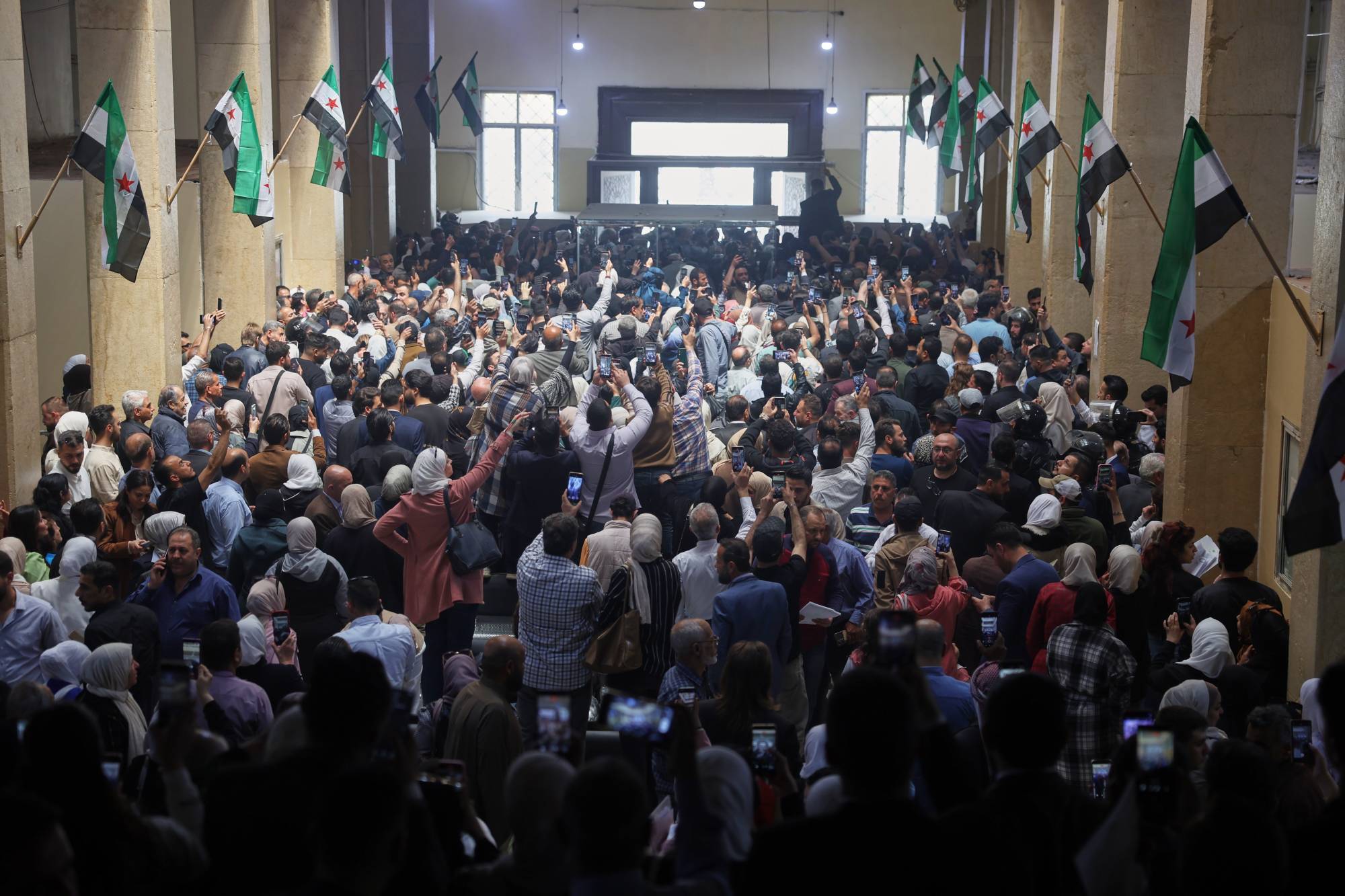
Sunday’s session at the Justice Palace in Damascus is set to focus on Najib’s questioning. Several plaintiffs from Daraa and local and international media are expected to attend.
The case centers on events that helped ignite the uprising in March 2011, including the arrest and alleged torture of about 20 boys accused of writing anti-government graffiti on school walls.
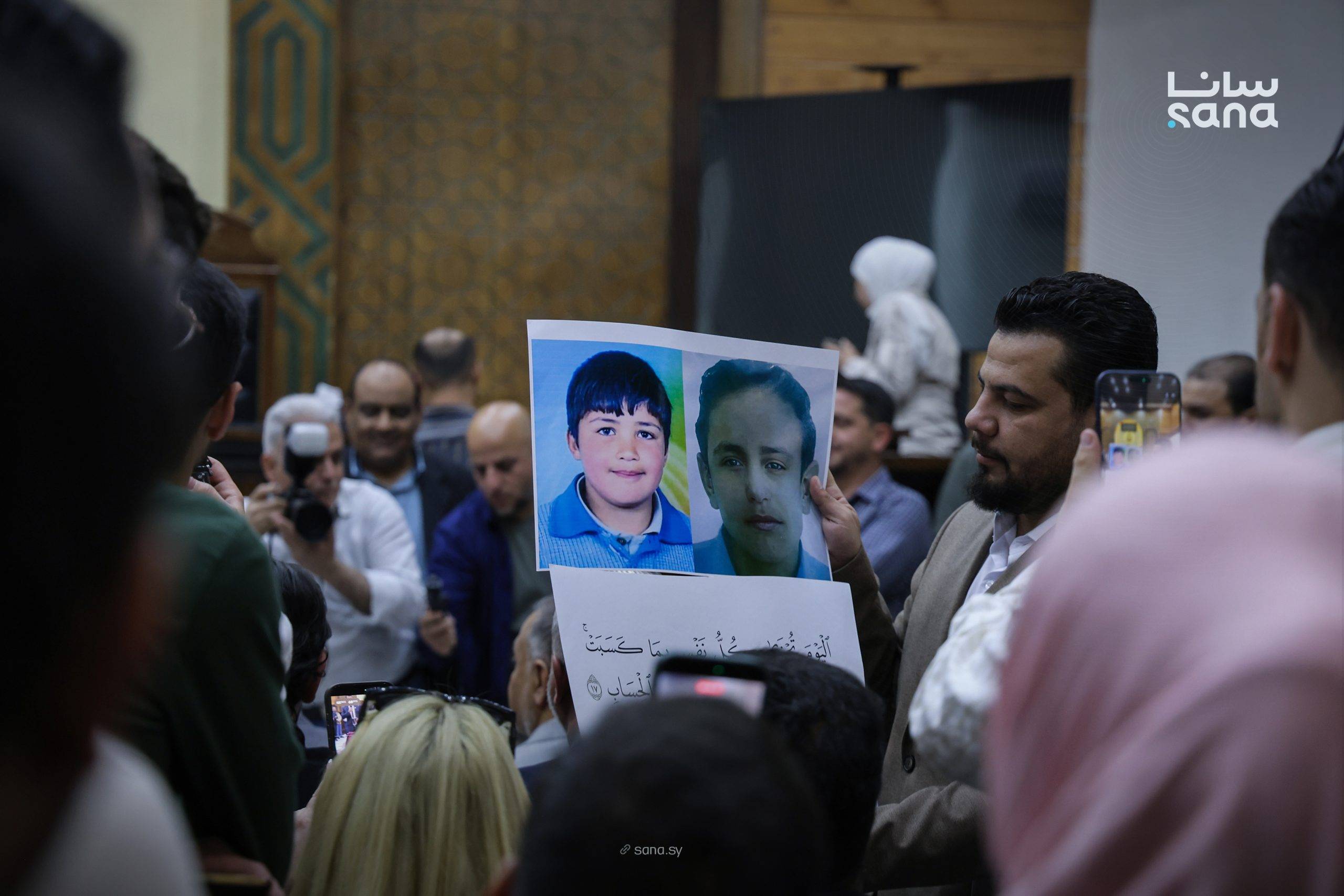
One of the former detainees, Youssef Sweidan, told Asharq Al-Awsat he was subjected to severe torture during his detention in February 2011 to force him to confess to charges he described as false.
He added that his father was later arrested because he refused to change his testimony and that the family still has no information about his fate.
“Atef Najib is a war criminal,” Sweidan declared, accusing security officers of beating detained children with iron hammers and crushing their fingers.
Lawyer Noha al-Masri, a member of a five-lawyer prosecution committee handling the case before the Criminal Court, noted that around 46 people have so far registered as personal plaintiffs.
Masri told Asharq Al-Awsat that her own brother was killed at the start of the uprising.
She explained that moving the case to the Criminal Court encouraged more victims’ families to file complaints in hopes of securing accountability for killings and abuses committed during the uprising’s early days.
According to Masri, prosecutors have collected testimony from witnesses and former members of Syria’s security apparatus who were present during the unrest and who allegedly confirmed that security forces opened fire on unarmed civilians.
The case file also addresses several incidents from the early months of the uprising, including the March 2011 assault on the Omari Mosque in Daraa, where about nine people were killed when security forces stormed the compound.
More civilians were killed during funeral processions after mourners came under gunfire, according to the prosecution.
The prosecution is also investigating what became known locally as the “Gas Station Massacre,” in which around 30 people were killed, as well as the April 25, 2011 assault on Daraa al-Balad, when residents were reportedly unable to bury victims immediately and instead stored bodies in refrigerated trucks.
The case additionally includes allegations surrounding the killing of members of the Abazid family, described by prosecutors as one of the country’s first mass grave cases linked to the conflict.


