



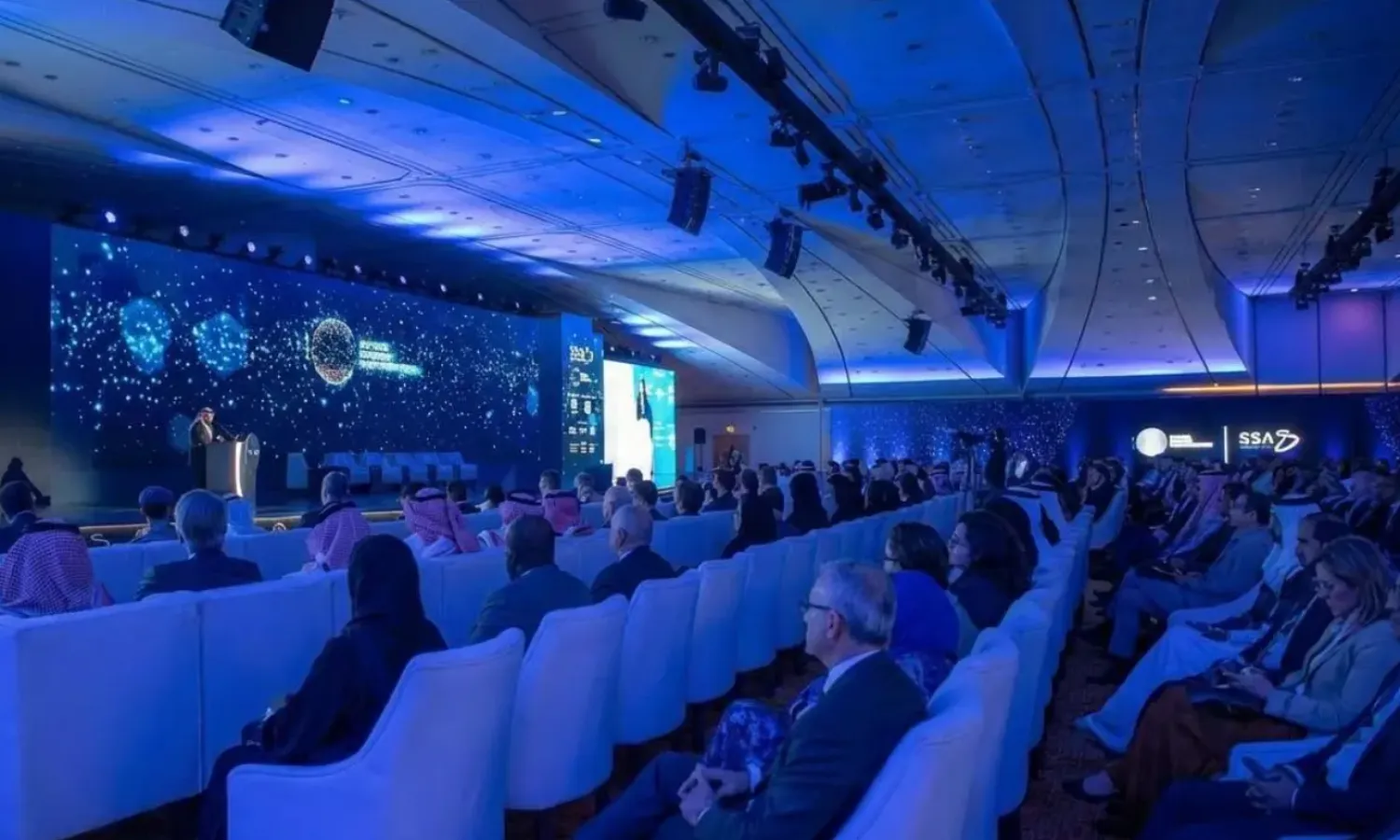

The second edition of the Space Debris 2026 Conference officially commenced today. Organized by the Saudi Space Agency (SSA), the conference is witnessing broad international participation representing 75 countries from around the world, with the attendance of leading experts, decision-makers, and leaders from the global space sector.
The conference is held with the support of the United Nations Office for Outer Space Affairs (UNOOSA), in partnership with the International Telecommunication Union (ITU), and with the participation of a number of local and international entities.
This reflects ongoing international efforts to strengthen cooperation in addressing space debris challenges and ensuring the sustainability of outer space, SPA reported.
In his opening remarks, SSA Acting Chief Executive Officer Dr. Mohammed Al Tamimi stated that convening the second edition of the conference reflects the Kingdom’s firm commitment to addressing the challenges of space debris management. He noted that the rapid increase in the number of objects and fragments in Earth orbits represents a growing challenge to the safety and sustainability of space activities, underscoring the need to enhance international cooperation and adopt innovative and effective solutions to address this phenomenon.
He also emphasized the importance of unifying international efforts in this field, and the role of the Kingdom, represented by the Saudi Space Agency, in supporting international initiatives and adopting best practices and advanced technologies for space debris management.
UNOOSA Director Aarti Holla-Maini affirmed that addressing space debris challenges requires comprehensive global cooperation, stating: “Global cooperation among international organizations, governments, industry, and academia in addressing space debris challenges is no longer merely a desirable objective. It has become an absolute necessity. At the same time, leading spacefaring nations must lead by example and develop concrete plans to address the accumulated legacy debris resulting from their past activities.”
Meanwhile, Deputy Secretary-General of the International Telecommunication Union Thomas Lamanauskas stressed the importance of responsible and inclusive management of space resources, stating: “We need to ensure that the opportunities created by the rapid growth of the space economy are accessible to all and can be enjoyed by future generations. Predictable, responsible, and inclusive management of space resources, including satellite orbits, is essential to achieving this.”
The conference aims to raise global awareness of the risks posed by space debris and to support international efforts to protect the future of the space economy. This is achieved through discussions on relevant policies and regulations, the promotion of research and innovation, and the development of effective international governance frameworks that contribute to mitigating the impacts of space debris and ensuring the responsible and sustainable use of orbital environments.
The conference program includes specialized panel discussions addressing space sustainability and governance, in addition to the technical and regulatory challenges associated with space debris. It also showcases innovative operational solutions and international partnerships that contribute to enhancing space security and long-term sustainability.
The conference is accompanied by an exhibition featuring 20 shortlisted projects from the DebrisSolver Competition, presenting innovative solutions and applied projects aimed at addressing space debris challenges. This reflects international innovation efforts to protect outer space as a shared resource for humanity and to ensure its sustainability.


