
Iran Says Reimposing UN Sanctions Will Complicate Nuclear Standoff

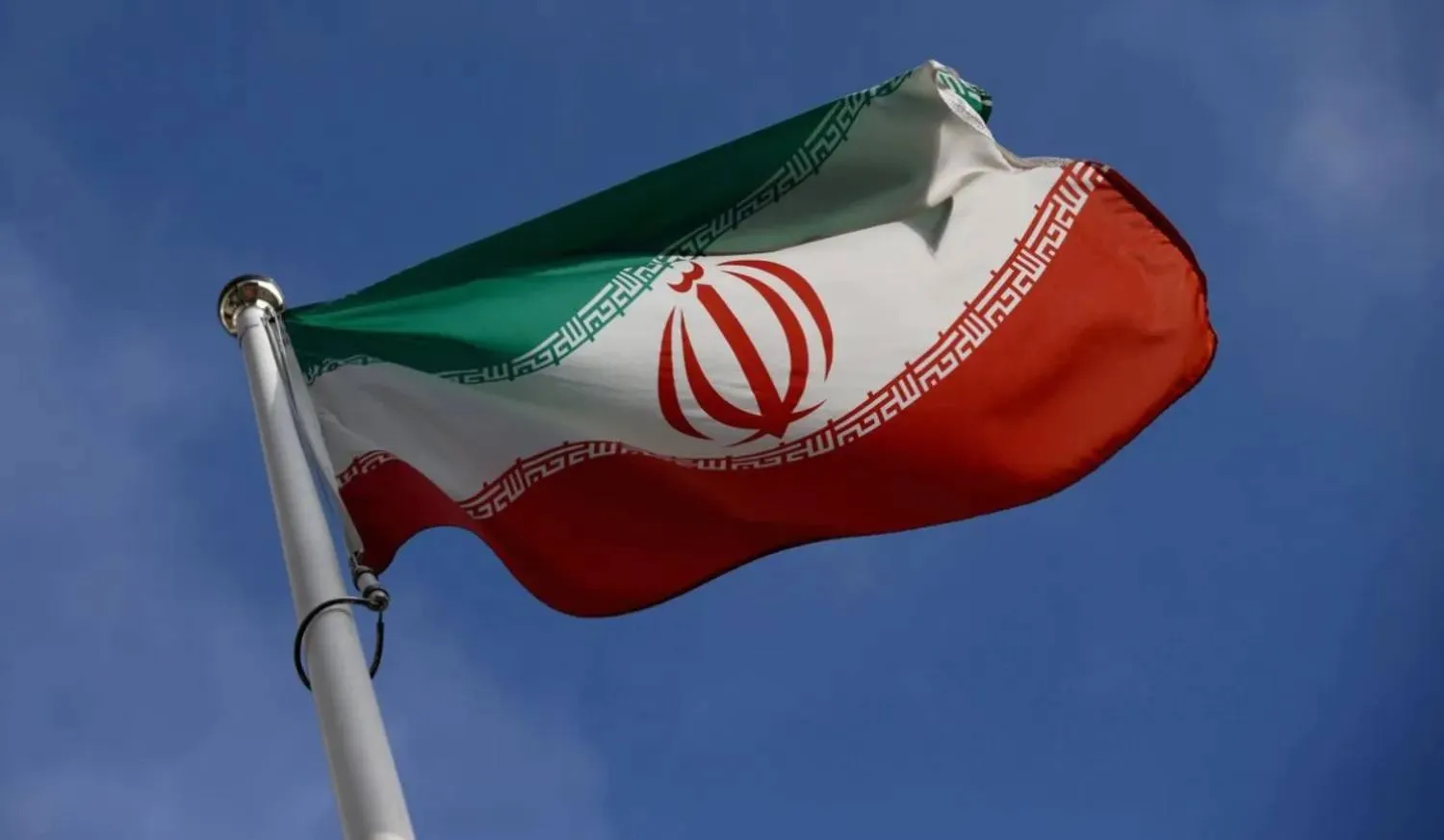
The Iranian flag waves in front of the International Atomic Energy Agency (IAEA) headquarters, before the beginning of a board of governors meeting, in Vienna, Austria, March 1, 2021. REUTERS/Lisi Niesner
TT

Iran Says Reimposing UN Sanctions Will Complicate Nuclear Standoff

The Iranian flag waves in front of the International Atomic Energy Agency (IAEA) headquarters, before the beginning of a board of governors meeting, in Vienna, Austria, March 1, 2021. REUTERS/Lisi Niesner

Reimposing international sanctions on Iran would make the "situation" over its nuclear program more complex, state media quoted Iranian Deputy Foreign Minister Kazem Gharibabadi as saying on Tuesday. 

He was speaking ahead of a meeting on Friday with three European states known as the E3 - Britain, France and Germany. 

The E3 have said that if no progress is reached by the end of August over Iran's nuclear program, they will invoke a "snapback" mechanism - a process that would reimpose UN sanctions on Tehran that were lifted under a 2015 deal in return for restrictions on Iran's nuclear program.

"We will express our position regarding the E3's comments on the snapback mechanism, which we think lacks any legal ground," Gharibabadi said, referring to Friday's meeting in Istanbul. 

"Nonetheless, our effort will be to see if we can find common solutions to manage the situation." 

The three European countries, along with China and Russia, are the remaining parties to the 2015 nuclear deal - from which the United States withdrew in 2018. 


NATO: Ukraine Still Receiving Arms Despite Mideast War

NATO Secretary General Mark Rutte via Reuters/File
TT

NATO: Ukraine Still Receiving Arms Despite Mideast War

NATO Secretary General Mark Rutte via Reuters/File

Ukraine is still getting essential defense equipment despite the war in the Middle East, which is depleting stockpiles in Europe and the United States, NATO Secretary General Mark Rutte said Thursday.

"The good news is that essential equipment into Ukraine continues to flow," he told reporters. That included American-made Patriot missile interceptors, which Ukraine desperately needs, he added, AFP reported.

The PURL program, launched last year, allows Ukraine to receive US equipment financed by European countries.

Some 75 percent of the missiles used by Patriot batteries in Ukraine have been supplied through the program, and 90 percent of the munitions used by other air-defense systems, Rutte added.

Rutte called on European countries to increase their own production capacity.

"They need to produce more extra production lines, extra shifts, opening new factories. The money is there," he said.


Germany FM Says 'Encouraging' if US Speaking Directly to Iran

German Foreign Minister Johann Wadephul. (Reuters: File Photo)
TT

Germany FM Says 'Encouraging' if US Speaking Directly to Iran

German Foreign Minister Johann Wadephul. (Reuters: File Photo)

Germany's foreign minister Thursday said it was encouraging if the United States was talking directly to Iran to end the war in the Middle East, but Washington should make its intentions clear.

"I hear that there are signs that the US is speaking directly to Iran. I think that this is encouraging and this is welcome," Johann Wadephul told reporters before heading into the meeting of G7 foreign ministers outside Paris, AFP reported.

With US Secretary of State Marco Rubio set to join the discussions from Friday, he added: "For the German government it is of great importance to know precisely what our American partners are intending."


US Envoy Witkoff Says Iran is Seeking an Off-ramp

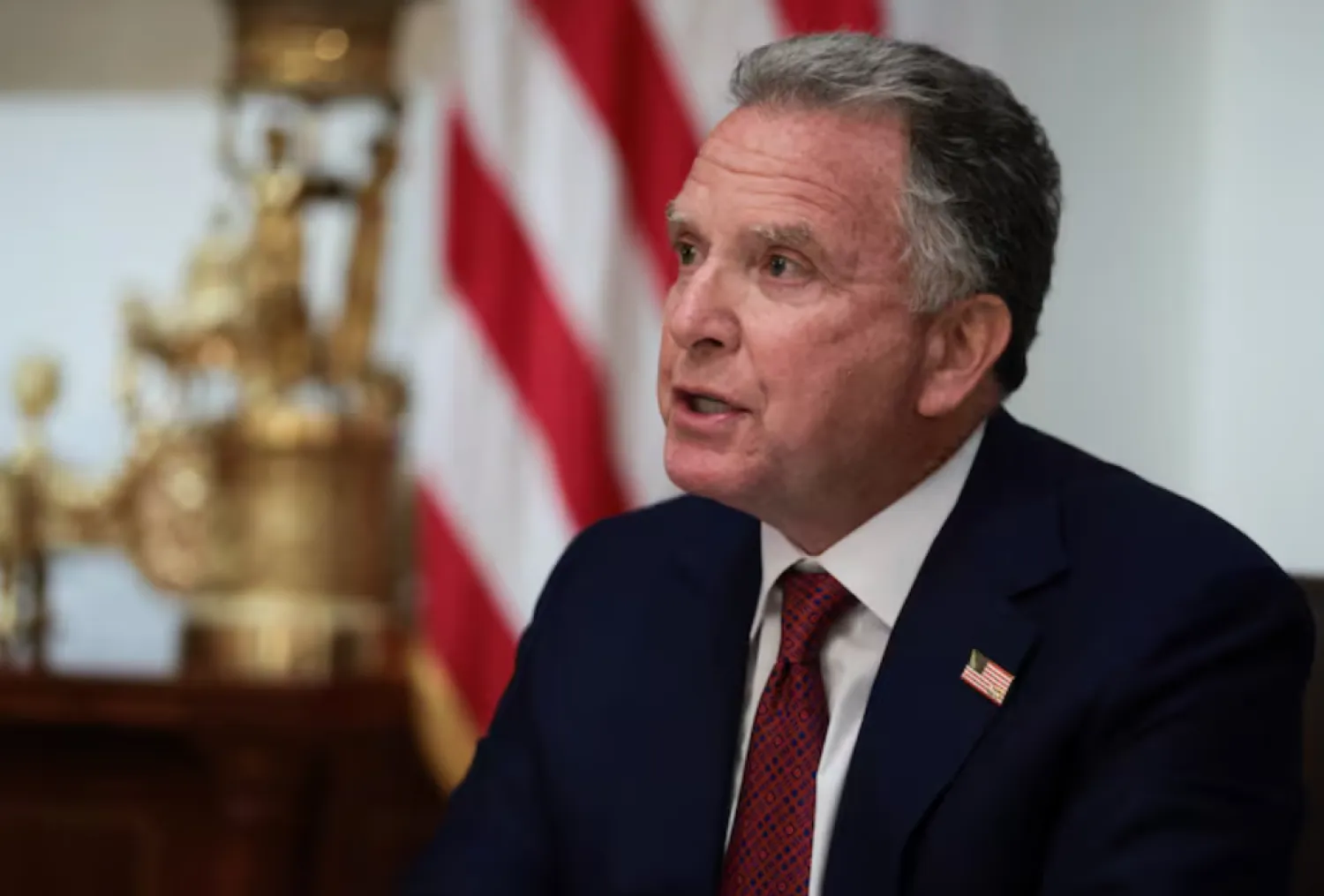
US Special Envoy Steve Witkoff speaks during a cabinet meeting at the White House in Washington, DC, US, March 26, 2026. REUTERS/Evelyn Hockstein
TT

US Envoy Witkoff Says Iran is Seeking an Off-ramp

US Special Envoy Steve Witkoff speaks during a cabinet meeting at the White House in Washington, DC, US, March 26, 2026. REUTERS/Evelyn Hockstein

The United States has sent Iran a "15-point action list" as a basis for negotiations to end the current conflict, US Special Envoy Steve Witkoff said on Thursday, adding that there are signs that Tehran was interested in making a deal.


Witkoff, speaking during a cabinet meeting at the White House, said that the nascent talks could be successful if the Iranians realize there were no good alternatives - a realization Tehran might be coming to, he argued, Reuters reported.


"We will see where things lead, and if we can convince Iran that this is the inflection point with no good alternatives for them other than more death and destruction," Witkoff told reporters.


"We have strong signs that this is a possibility."


Witkoff said Pakistan had been acting as a mediator, confirming statements from Pakistani officials.