
Norway Sovereign Wealth Fund to Exclude Six Israeli Companies Linked to West Bank, Gaza 

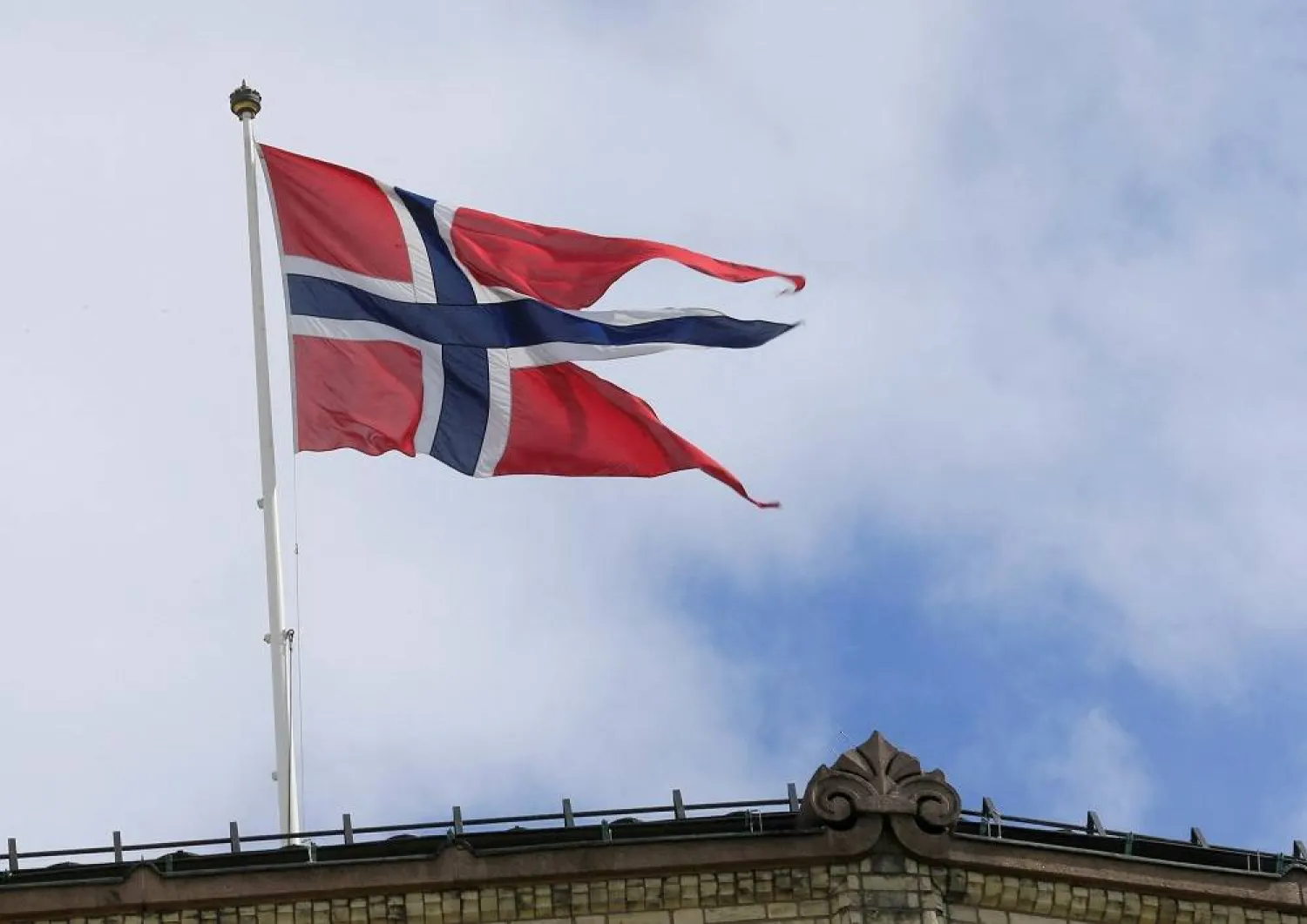
A Norwegian flag flutters over a building in Oslo, Norway May 31, 2017. (Reuters)
TT

Norway Sovereign Wealth Fund to Exclude Six Israeli Companies Linked to West Bank, Gaza 

A Norwegian flag flutters over a building in Oslo, Norway May 31, 2017. (Reuters)

Norway's sovereign wealth fund, the world's largest, said on Monday it had decided to exclude another six companies with connections to the West Bank and Gaza from its portfolio, following an ethics review of its Israeli investments. 

The $2 trillion wealth fund did not name the companies it had decided to exclude but said these would be made public, along with specific reasons for each company, once the divestments were completed. 

One possibility could be that among them are Israel's five largest banks, which have been under review by the fund's ethical watchdog. 

The latest exclusions bring to 23 the number of Israeli companies the fund has been divesting from since June 30. That number may rise. 

"More companies could be excluded," Finance Minister Jens Stoltenberg told reporters. 

Currently the fund holds stakes in 38 Israeli companies, totaling 19 billion crowns ($1.9 billion) in investments, down from 61 companies totaling 23 billion crowns, as of June 30, the fund's operator, Norges Bank Investment Management, said in a letter dated Monday. 

REVIEW 

The latest announcement follows an urgent review launched this month after reports that the fund had built a stake in an Israeli jet engine group that provides services to Israel's armed forces, including the maintenance of fighter jets. 

The reports spurred a fresh debate about the fund's investments in Israel and the occupied Palestinian territories ahead of elections on Sept. 8, with some parties calling for the fund to divest from all Israeli companies, a step the government has ruled out. 

Norway's parliament in June rejected a proposal for the fund to divest from all companies with activities in the occupied Palestinian territories. 

"This debate helps sharpen our practices," said Stoltenberg. 

Critics say only a complete withdrawal from investing in Israeli companies would protect the fund against possible ethical breaches. 

Stoltenberg said that, from now on, the ethics watchdog and NBIM would have more frequent and faster exchanges of information between them to identify problematic companies quicker. 

Ethical exclusions from the fund are based on recommendations from the fund's watchdog, though NBIM can also divest from companies if it assesses that a company can pose too much of a risk to the fund, whether the risk is ethical or not. 

"With more exchanges of information between the Council on Ethics and Norges Bank, it is possible that there could be more divestments of that kind in future," said Stoltenberg. 

Last Monday, the fund announced it was terminating contracts with all three of its external asset managers who handled some of its Israeli investments. 


NATO: Ukraine Still Receiving Arms Despite Mideast War

NATO Secretary General Mark Rutte via Reuters/File
TT

NATO: Ukraine Still Receiving Arms Despite Mideast War

NATO Secretary General Mark Rutte via Reuters/File

Ukraine is still getting essential defense equipment despite the war in the Middle East, which is depleting stockpiles in Europe and the United States, NATO Secretary General Mark Rutte said Thursday.

"The good news is that essential equipment into Ukraine continues to flow," he told reporters. That included American-made Patriot missile interceptors, which Ukraine desperately needs, he added, AFP reported.

The PURL program, launched last year, allows Ukraine to receive US equipment financed by European countries.

Some 75 percent of the missiles used by Patriot batteries in Ukraine have been supplied through the program, and 90 percent of the munitions used by other air-defense systems, Rutte added.

Rutte called on European countries to increase their own production capacity.

"They need to produce more extra production lines, extra shifts, opening new factories. The money is there," he said.


Germany FM Says 'Encouraging' if US Speaking Directly to Iran

German Foreign Minister Johann Wadephul. (Reuters: File Photo)
TT

Germany FM Says 'Encouraging' if US Speaking Directly to Iran

German Foreign Minister Johann Wadephul. (Reuters: File Photo)

Germany's foreign minister Thursday said it was encouraging if the United States was talking directly to Iran to end the war in the Middle East, but Washington should make its intentions clear.

"I hear that there are signs that the US is speaking directly to Iran. I think that this is encouraging and this is welcome," Johann Wadephul told reporters before heading into the meeting of G7 foreign ministers outside Paris, AFP reported.

With US Secretary of State Marco Rubio set to join the discussions from Friday, he added: "For the German government it is of great importance to know precisely what our American partners are intending."


US Envoy Witkoff Says Iran is Seeking an Off-ramp

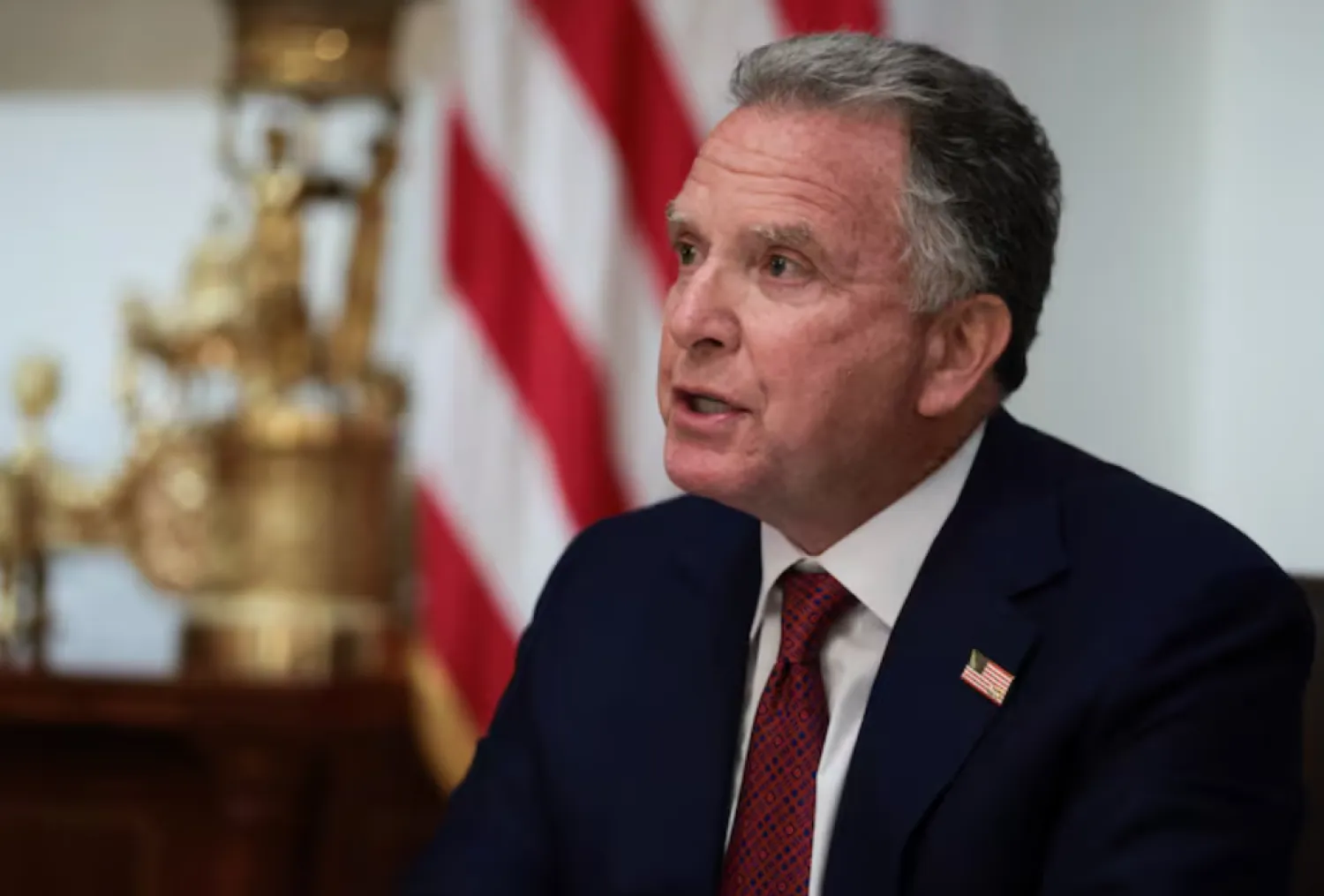
US Special Envoy Steve Witkoff speaks during a cabinet meeting at the White House in Washington, DC, US, March 26, 2026. REUTERS/Evelyn Hockstein
TT

US Envoy Witkoff Says Iran is Seeking an Off-ramp

US Special Envoy Steve Witkoff speaks during a cabinet meeting at the White House in Washington, DC, US, March 26, 2026. REUTERS/Evelyn Hockstein

The United States has sent Iran a "15-point action list" as a basis for negotiations to end the current conflict, US Special Envoy Steve Witkoff said on Thursday, adding that there are signs that Tehran was interested in making a deal.


Witkoff, speaking during a cabinet meeting at the White House, said that the nascent talks could be successful if the Iranians realize there were no good alternatives - a realization Tehran might be coming to, he argued, Reuters reported.


"We will see where things lead, and if we can convince Iran that this is the inflection point with no good alternatives for them other than more death and destruction," Witkoff told reporters.


"We have strong signs that this is a possibility."


Witkoff said Pakistan had been acting as a mediator, confirming statements from Pakistani officials.