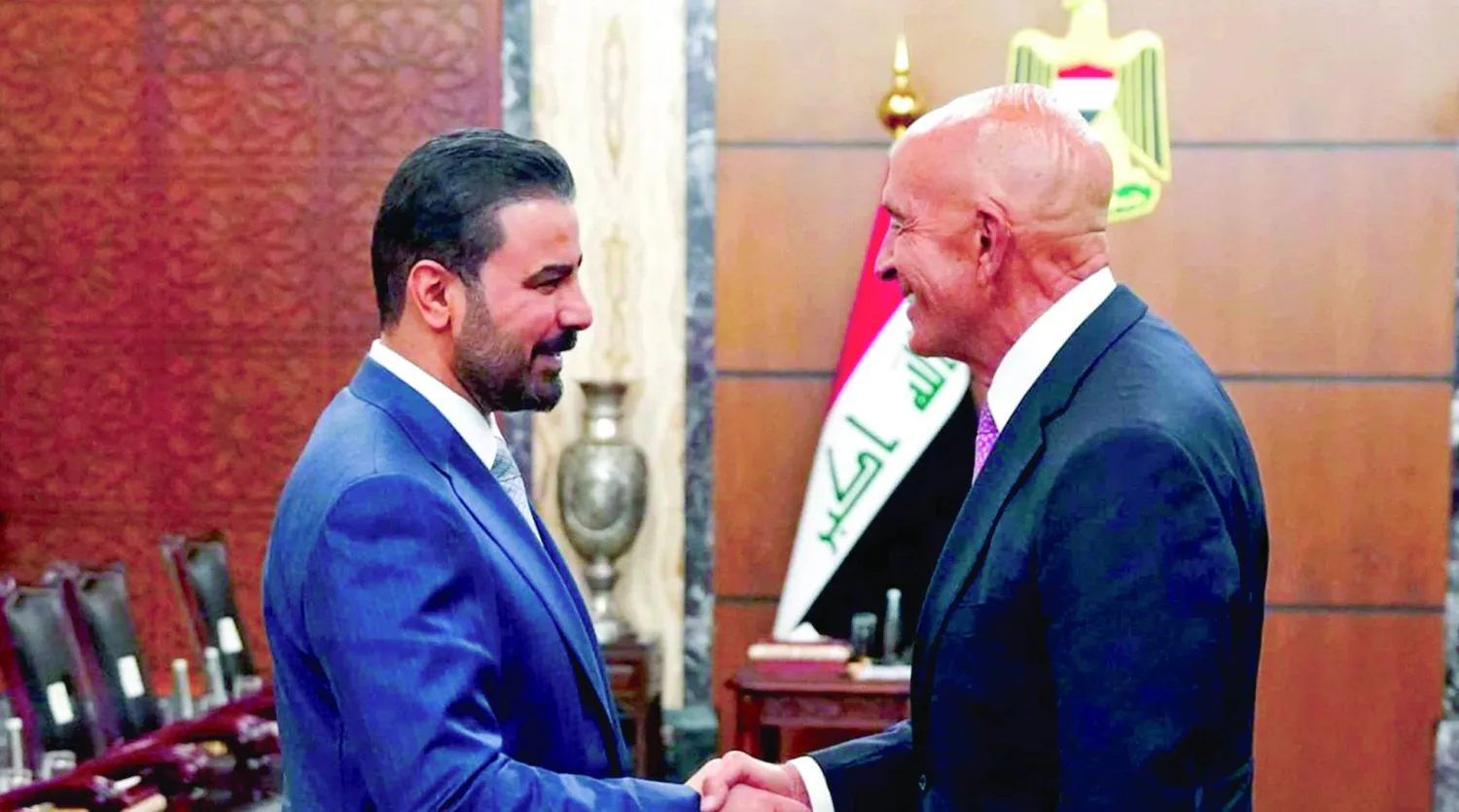

Three Syrian, Western, and Iraqi sources said Monday that Iraq and Syria are preparing to sign an economic agreement under US sponsorship during Iraqi Prime Minister Ali al-Zaidi’s visit to Washington in mid-July, in a move that could pave the way for a new alliance in the region that “moves away from the region’s anti-US camp.”
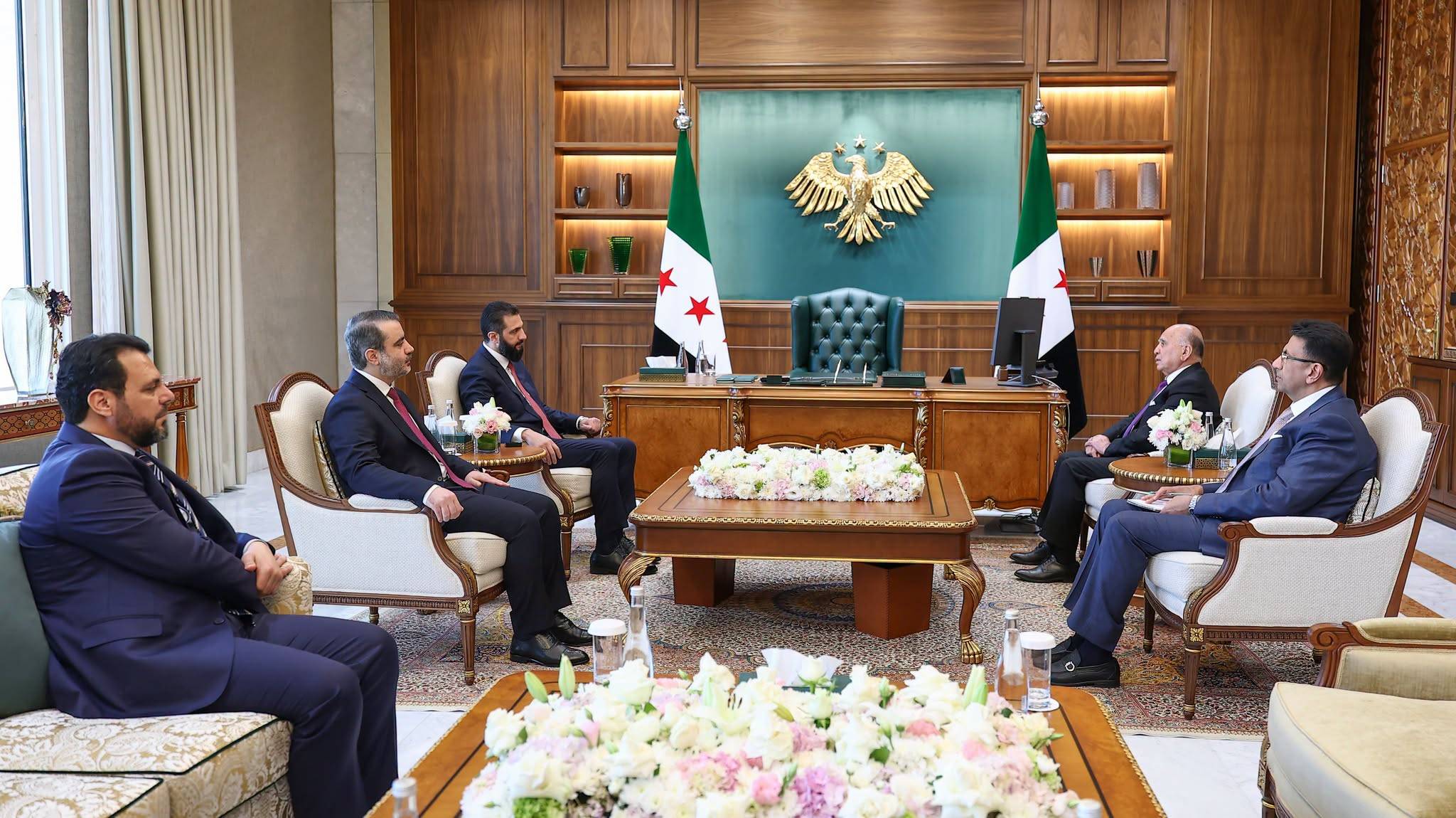
A Syrian source told Asharq Al-Awsat that Syrian Foreign Minister Asaad al-Shaibani is expected to travel to Washington in mid-July, where he is scheduled to meet with al-Zaidi or Iraqi officials accompanying him on the sidelines of the PMs visit.
A Western source said the talks would follow an anticipated meeting between al-Zaidi and US President Donald Trump at the White House.
According to the Syrian source, US Special Envoy Tom Barrack will sponsor the agreement between Baghdad and Damascus, with the possibility of other Arab countries joining at a later stage if ongoing technical and political understandings are finalized.
An Iraqi source neither confirmed nor denied whether al-Zaidi would meet Syrian officials in Washington. However, a political adviser in the previous Iraqi government said that “al-Zaidi’s team is making special preparations to sign a regional economic agreement that includes Syria.”
Another Iraqi source said al-Zaidi’s visit to Washington, scheduled to begin on July 15 and last about four days, will include meetings with the US president, Republican and Democratic congressional leaders, and representatives of American oil companies. He is then expected to travel to Texas for additional meetings with major energy firms.
A government official told Asharq Al-Awsat that “the prime minister will travel to Washington at the invitation of the US president, and the meeting with Trump tops the agenda,” while declining to disclose whether meetings with officials from other countries were also planned.
‘Core alliance’
For weeks, the Iraqi government has focused on advancing two parallel tracks: bringing armed factions’ weapons under state control and integrating them into the security institutions, while pursuing individuals suspected of corruption, including figures believed to have ties to Iran’s Revolutionary Guard Corps (IRGC).
Baghdad has also shown an increasing tilt toward Washington as the US administration continues to press Iraq to reduce its dependence on Iranian influence.
Observers describe al-Zaidi’s government as “a promising opportunity” to reshape the regional balance of power as part of a new regional framework that could redefine relations between Baghdad, Washington, and Tehran.
These developments come as Iraq seeks to diversify its oil export routes and reduce reliance on traditional maritime shipping lanes, while Syria is betting on its geographic location to restore its role as a regional corridor for energy and trade.
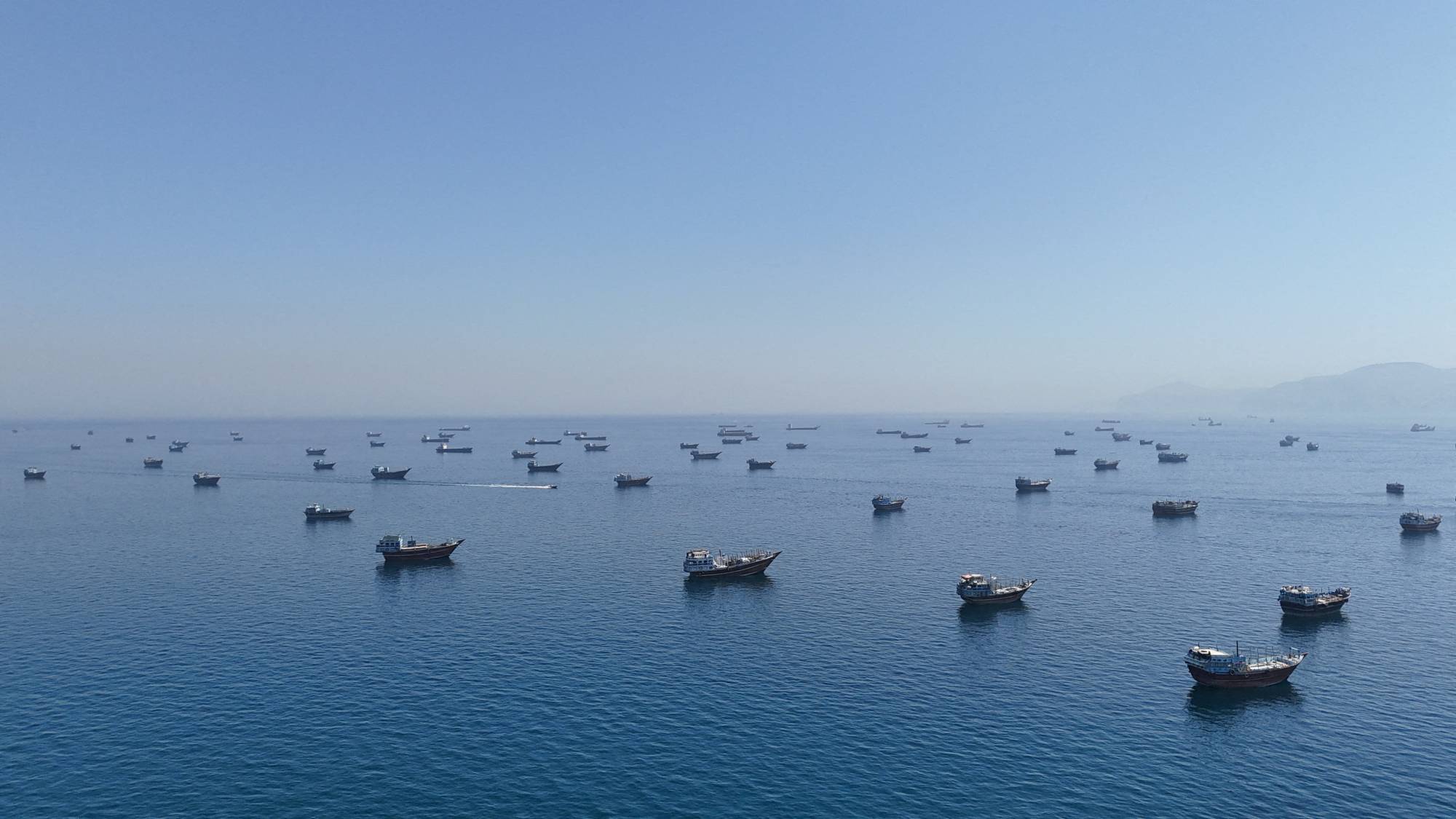
The Western source said Barrack is working to translate his approach toward Iraq and Syria into concrete projects by establishing the “core of a new alliance of interests” linking Iraq, Syria, and regional partners through a shorter route to the Mediterranean, thereby reducing dependence on the Strait of Hormuz.
If concluded in its proposed form, the agreement would reflect a shift in the US approach toward the region, emphasizing cross-border infrastructure projects linking Iraq to the Mediterranean coast while giving Syria a greater role in reshaping regional energy flows.
Leaving Iran’s influence
An Iraqi researcher believes al-Zaidi’s visit could mark a transitional moment in Iraq’s regional realignment, similar to the shift that followed Syrian President Ahmed al-Sharaa’s visit to the White House in November 2025, which was widely viewed as a turning point in Syria’s move from the Iranian camp to the Western camp led by the United States.
Akeel Abbas, an expert on US affairs, told Asharq Al-Awsat that “the significance of al-Zaidi’s visit to Washington closely resembles al-Sharaa’s.”
Abbas, who is based in Washington, said the essence of al-Sharaa’s visit was Syria’s repositioning from a country opposed to the United States to a partner in the US-led international coalition against terrorism.
Washington wants to see Iraq follow a similar path through clear, measurable, and verifiable steps, including projects linking regional energy pipelines, he added.
“Washington wants this Baghdad-Damascus alliance to reduce the strategic importance of the Strait of Hormuz and limit its impact in the event of a second round of war with Iran,” he explained.