
Modern Dishes Challenge Traditional Eid al-Adha Breakfasts in Saudi Arabia

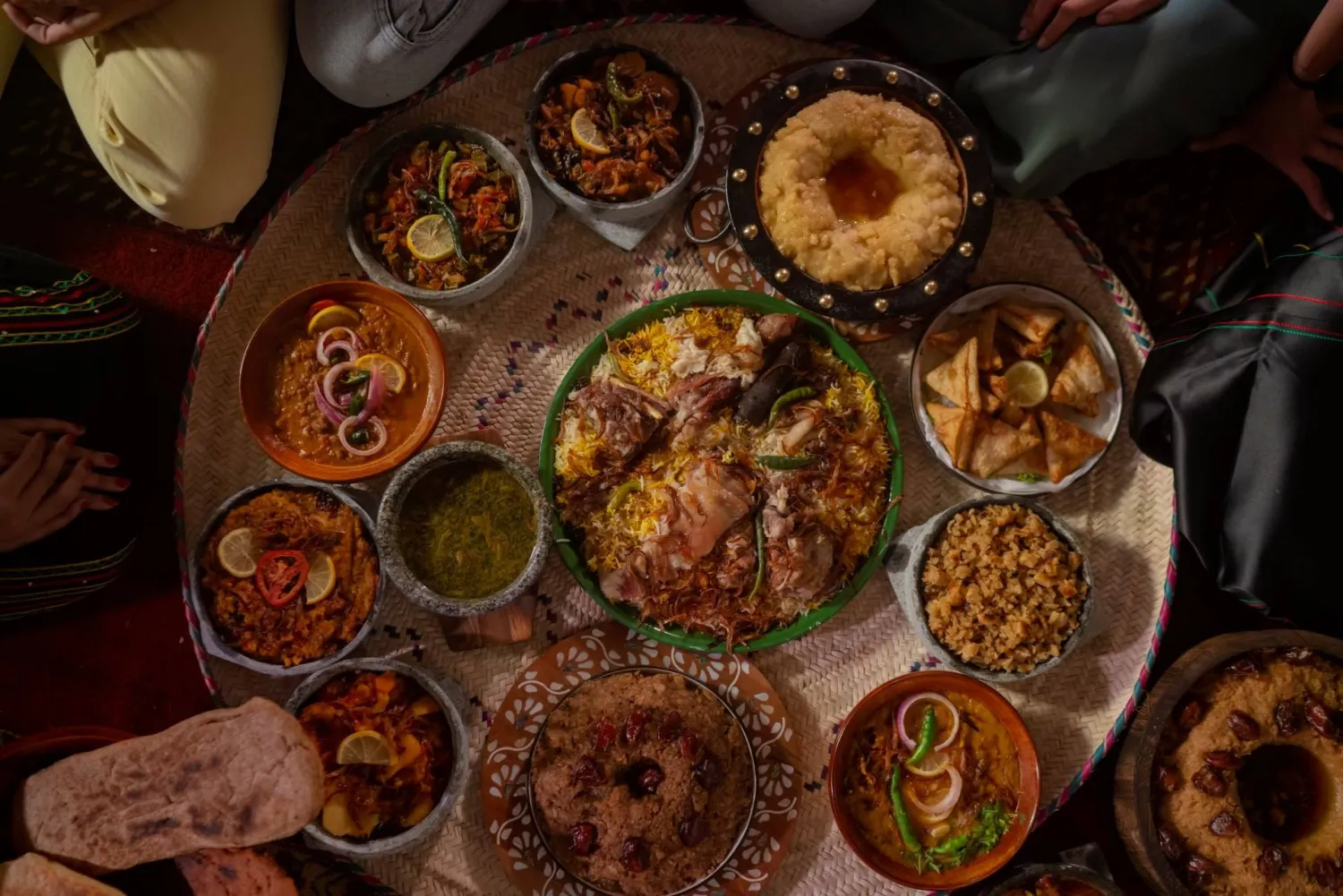
 Many Saudis say traditional dishes remain an essential part of Eid celebrations. (Ministry of Tourism)
Many Saudis say traditional dishes remain an essential part of Eid celebrations. (Ministry of Tourism)
TT

Modern Dishes Challenge Traditional Eid al-Adha Breakfasts in Saudi Arabia

 Many Saudis say traditional dishes remain an essential part of Eid celebrations. (Ministry of Tourism)
Many Saudis say traditional dishes remain an essential part of Eid celebrations. (Ministry of Tourism)

In Saudi Arabia, the smell of liver and muqalqal drifting from family kitchens on the morning of Eid al-Adha has long been part of the holiday ritual, closely tied to the sacrificial feast that follows Eid prayers. For many Saudis, the celebration does not truly begin without these traditional dishes.

“The real taste of Eid starts right after the prayer,” said 25-year-old Nasser Al Ibrahim, who insists the customary breakfast remains an essential part of the holiday. “Today we ate liver and muqalqal prepared from the sacrifice slaughtered this morning. The whole family makes sure we do that because these foods are tied to Eid memories and traditions.”

But across the Kingdom, Eid breakfast tables are beginning to change.

Instead of preparing the familiar dishes, 27-year-old Abir Ahmed chose a more contemporary approach this year, ordering a ready-made cheese platter for her small family. Her choice reflects broader social and culinary shifts quietly reshaping holiday traditions in Saudi Arabia.

In recent years, Eid breakfasts have expanded beyond staples such as liver and muqalqal — a dish of seasoned diced lamb cooked with tomatoes — to include modern options presented in increasingly elaborate and visually appealing ways.
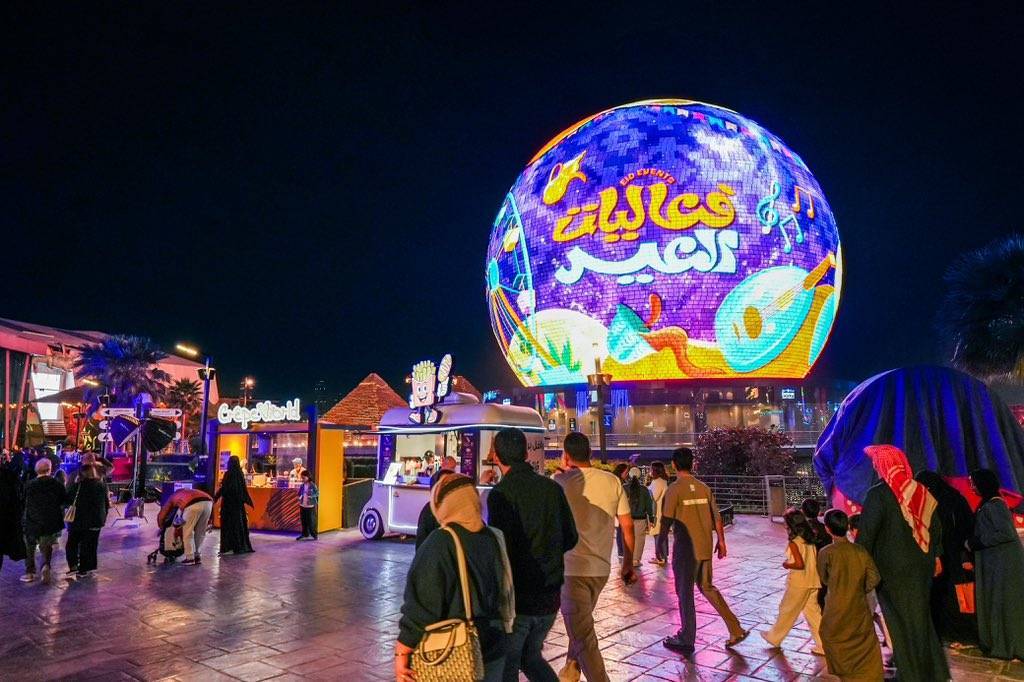
An increasing number of Saudis have started preferring to spend Eid morning outside the home. (Riyadh Season)

From the first hours of dawn, worshippers across Saudi Arabia gathered at mosques and prayer grounds for Eid al-Adha prayers amid festive scenes filled with families and children. The holiday remains one of the Kingdom’s most important religious and social occasions, marked by rituals that stretch from communal prayers to the first family breakfast.

Yet even those rituals are evolving. Many Saudis say traditional breakfasts are gradually giving way to contemporary dishes shaped by changing lifestyles and the growing influence of social media, where stylish food presentations have become part of the celebration itself.

Others, however, criticize the trend, arguing that many of the new breakfast displays are more about appearance than preserving the spirit of Eid. For them, traditional dishes remain deeply connected to the holiday’s cultural identity and collective memory.

Ahmed said growing competition among families over how Eid breakfasts are presented has encouraged many to turn to modern ready-made platters.

“There are many elegantly arranged breakfast platters served on Eid morning, especially cheese platters, and people have become used to them recently,” she said.

Over the past few years, the cheese platter has become one of the season’s most popular Eid breakfast items. Typically arranged with assorted cheeses, toasted bread, roasted olives, cherry tomatoes and grapes, the platters are often decorated with honey, biscuits, walnuts, rusks and mortadella to create a more festive appearance.

Prices vary depending on the ingredients and presentation, generally starting at around 80 Saudi riyals ($21) and reaching as high as 500 riyals for a single platter in what has become a thriving seasonal market during holidays and family occasions.

The shift extends beyond food. While Saudis traditionally gathered for Eid breakfast at home in large family settings, a growing number now prefer spending the morning at restaurants, cafés and resorts in search of a more celebratory atmosphere for children and relatives.

Despite these changes, the ritual sacrifice remains deeply rooted in Saudi society. Many families continue to perform the rite on behalf of themselves or deceased relatives, honoring family traditions and reinforcing values of charity, kinship and social solidarity that remain central to Eid al-Adha.

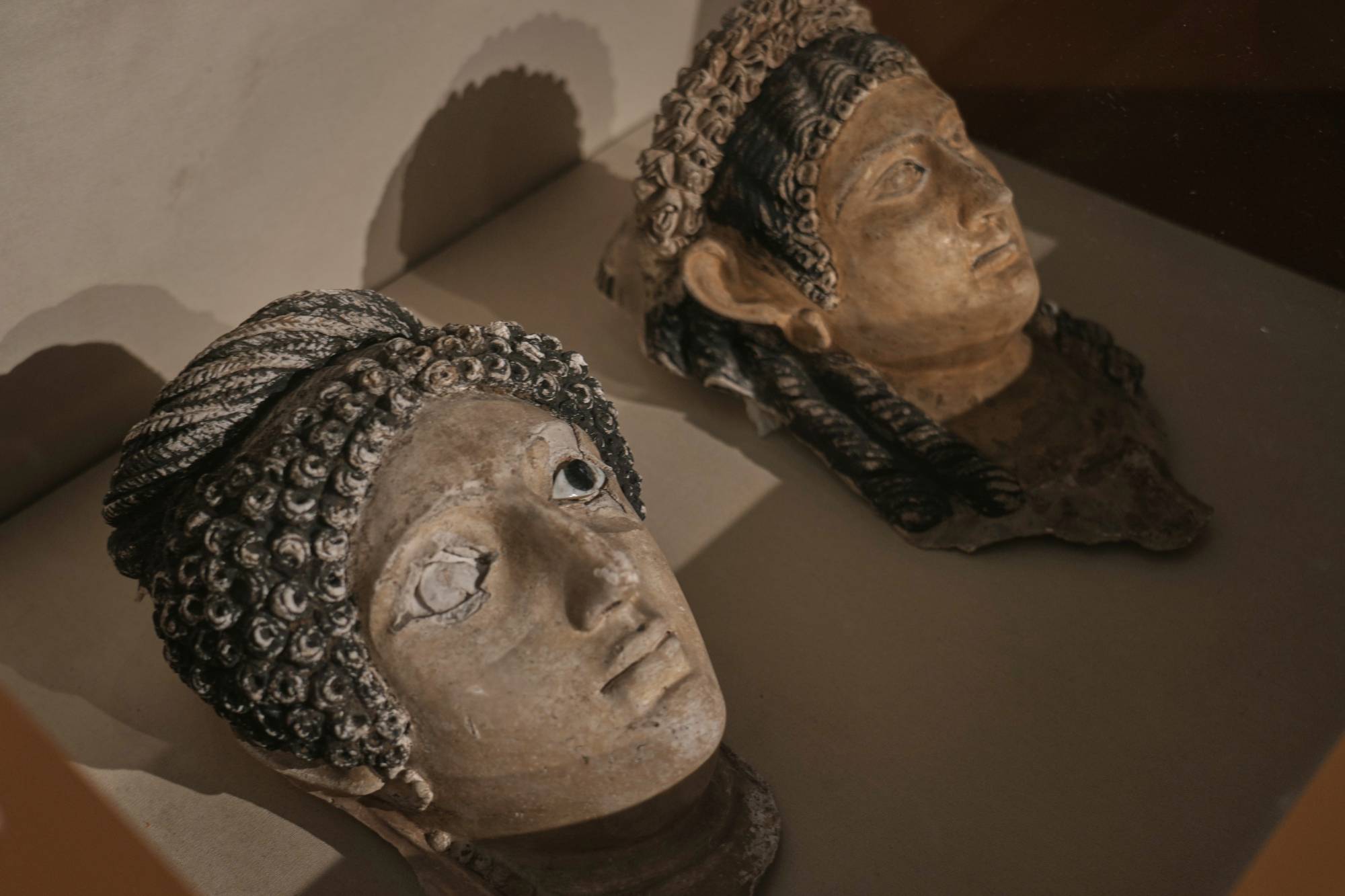
Najran Sees Growing Interest in Heritage and Archaeological Artifact Collection

These collections also include artifacts illustrating stages of the modern Saudi state, serving as educational platforms that bridge the past and present - SPA
TT

Najran Sees Growing Interest in Heritage and Archaeological Artifact Collection

These collections also include artifacts illustrating stages of the modern Saudi state, serving as educational platforms that bridge the past and present - SPA

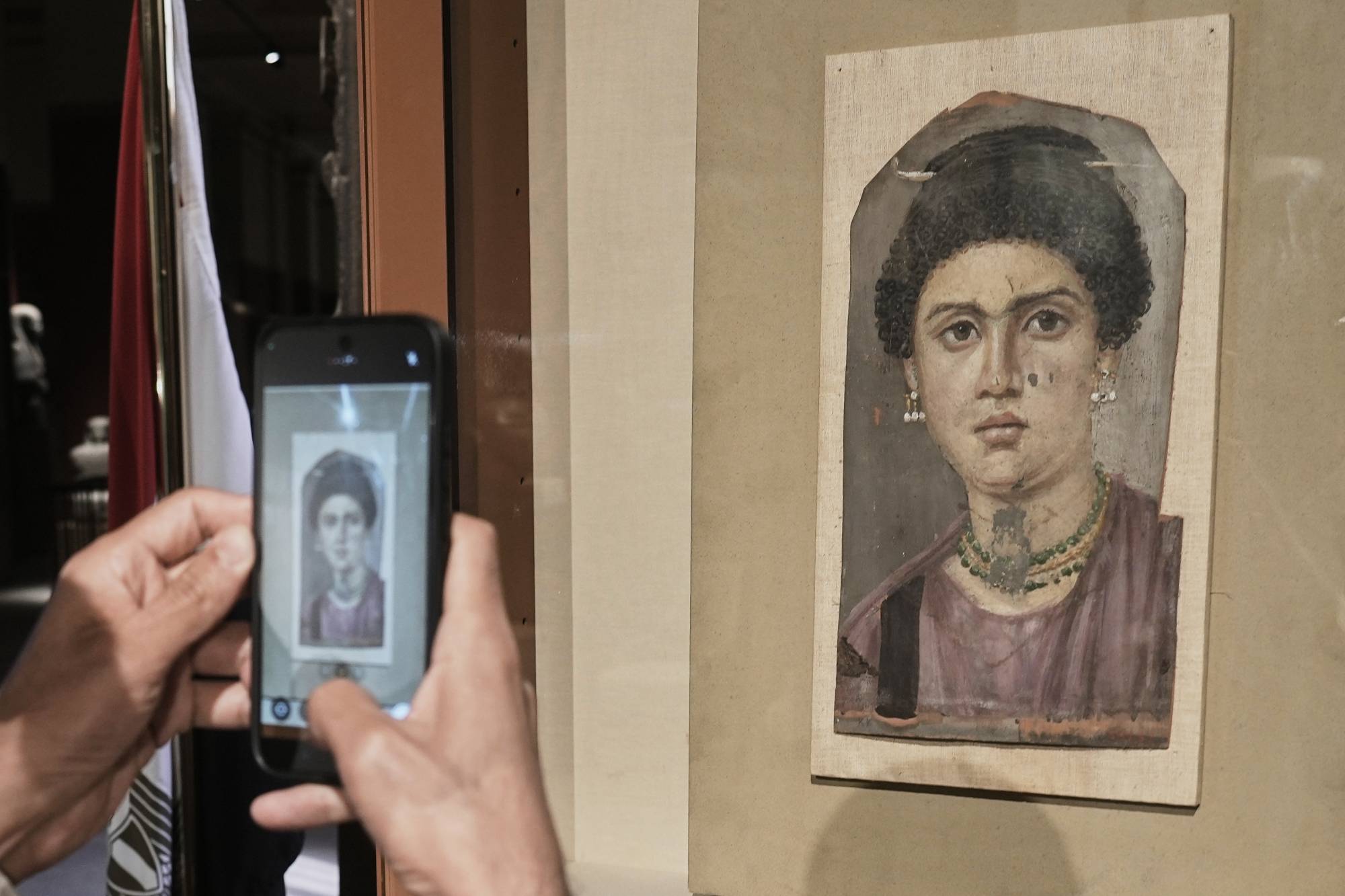
Najran Region has witnessed growing enthusiasm among community members and heritage enthusiasts for collecting traditional and archaeological artifacts that document historical eras linked to the region’s civilization and the lives of previous generations, contributing to reconnecting society with its roots and raising awareness of the importance of preserving tangible heritage as an essential part of cultural identity.

Heritage enthusiasts play a significant role in preserving Najran’s cultural legacy by establishing private museums that display archaeological items, traditional tools, clothing, photographs, and historical collections reflecting daily life and customs, SPA reported.

These collections also include artifacts illustrating stages of the modern Saudi state, serving as educational platforms that bridge the past and present.

The hobby of collecting heritage items in Najran ranges from gathering everyday tools such as pottery and agricultural equipment to traditional clothing, jewelry, weapons, books, and manuscripts. Motivations vary between personal documentation, preserving family memory, and academic research aimed at understanding historical social and economic practices.

Local markets and seasonal exhibitions, along with digital platforms, have contributed to expanding this hobby, enabling knowledge exchange and increasing awareness of preservation methods and historical value. Community initiatives and workshops further support proper documentation and conservation, ensuring that this passion complements heritage preservation while adhering to scientific and legal standards.


Why is Fadak Known as the 'City of Walls and Fortresses'?

Located 250 kilometers southwest of Hail, this historic village boasts a legacy as rich as its soil - SPA
TT

Why is Fadak Known as the 'City of Walls and Fortresses'?

Located 250 kilometers southwest of Hail, this historic village boasts a legacy as rich as its soil - SPA

Encircled by a massive, seven-kilometer wall of rugged black lava stone, the ancient village of Fadak, known today as Al-Hait, earned its title as the "City of Walls and Fortresses." Guarded by north and south gates, the village is flanked by ancient castles and robust fortifications that still dominate the landscape, SPA reported.

Located 250 kilometers southwest of Hail, this historic village boasts a legacy as rich as its soil. While known in antiquity as Fadak, its modern name, "Hait Al-Nakhl" (The Palm Wall), captures its lush topography—defined by sprawling palm groves, fertile land, and abundant water.

According to the Encyclopedia of the Kingdom of Saudi Arabia, published by the King Abdulaziz Public Library, Al-Hait is one of the oldest urban centers in Hail Region.

According to SPA, the name Fadak echoes through antiquity, recorded among the cities conquered by Babylonian King Nabonidus in the sixth century BC, and frequently cited in classical chronicles and early geographical dictionaries.

Bridging the pre-Islamic and Islamic eras, the site remains an archaeological treasure. From early rock inscriptions and crumbling fortresses to ancient stone wells and traditional farms, these enduring artifacts stand as a living testament to Fadak’s rich cultural heritage and continuous human settlement.


Dragon Boat Festival Links Modern China to Traditions More Than 2,000 Years Old

Competitors take part in the Aberdeen Dragon Boat Race to celebrate the Dragon Boat Festival in Hong Kong, Friday, June 19, 2026. (AP Photo/Chan Long Hei)
TT

Dragon Boat Festival Links Modern China to Traditions More Than 2,000 Years Old

Competitors take part in the Aberdeen Dragon Boat Race to celebrate the Dragon Boat Festival in Hong Kong, Friday, June 19, 2026. (AP Photo/Chan Long Hei)

The Dragon Boat Festival was celebrated Friday across mainland China, Hong Kong and Taiwan with colorful boat races, lion dances and other festivities.

The more than 2,000-year-old holiday is best known for its sporting events, but its origins are rooted in Chinese history and ancient beliefs about health, protection and harmony with nature.

“The Dragon Boat Festival is probably the richest and most diverse of all traditional Chinese festivals,” said Tsinghua University’s history professor Liu Xiaofeng. “Across different regions, people developed a wide variety of traditions based on ideas connected to the summer solstice and the balance of yin and yang.”

The festival is widely associated with the ancient poet Qu Yuan, who according to legend drowned himself more than 2,000 years ago. The tradition of dragon boat races was born from the story that people raced out in boats to search for the poet and threw rice into the river so fish would not eat his body.

A three-day race in Beijing features men’s, women’s and mixed dragon boat races over distances of 100, 200 and 500 meters. Teams from Beijing, Tianjin, Hebei, Shanxi and Guangdong will compete throughout the holiday weekend.

Guided by the thunderous beat of their drummers, crews pulled their paddles through the water in unison, each boat surging toward the finish line as spectators cheered them on.

Others watched the races at home as they enjoyed a traditional sticky rice treat known as “zongzi” with their families.

Beijing’s 2026 celebrations will continue through June 21 at the capital’s Grand Canal.

“The competition helped strengthen our team spirit,” said Li Maoshan, a participant in Friday’s races. “It also gave us an opportunity to demonstrate the spirit of perseverance and hard work.”

Participants in Hong Kong’s dragon boat races on Friday wore costumes including a cartoon version of Chinese Taoist deity Ne Zha.