As the US-Israeli war against Iran entered its 18th day, fast-moving geopolitical shifts in the Middle East have again thrust Gulf Cooperation Council (GCC) states into focus as a pillar of global economic stability, particularly in energy markets, international trade, and supply chains.
As supply chains strain under the weight of conflict, GCC economies are emerging as a stabilizing force in global trade and energy, backed by a $2.3 trillion economic bloc. Ranked ninth globally, the region is no longer just an energy exporter, but a major financial and investment center in the international system.
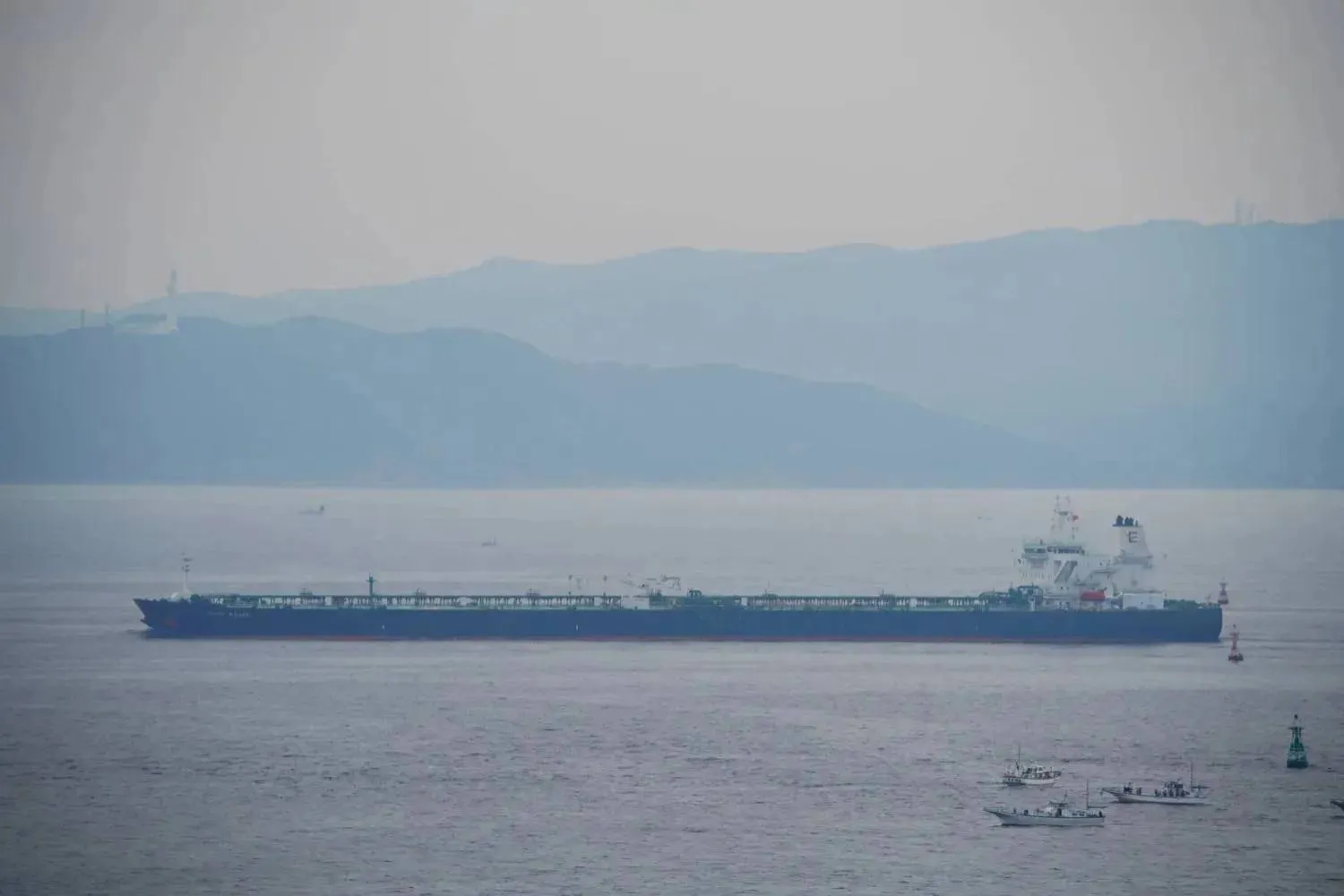
That role is heightened by the Gulf’s geography, linking some of the world’s most critical trade and energy routes, especially the Strait of Hormuz. Disruption to the vital passage has fueled fears of surging energy prices and supply chain breakdowns.
Hamza Dweik, head of trading for the Middle East and North Africa at Saxo Bank, said the Gulf’s stabilizing role goes beyond theory, with direct impact on market dynamics.
The region sits at the crossroads of key energy arteries, giving it unusual capacity to steady markets or amplify volatility when risks rise, Dweik told Asharq Al-Awsat.
He pointed to the Strait of Hormuz, one of the world’s most sensitive energy chokepoints, where oil flows averaged about 20 million barrels per day in 2024, roughly 20% of global petroleum liquids consumption.
Oil market shock absorbers
From an energy standpoint, Dweik said the global economy relies on Gulf states for two core functions: steady oil supplies and the ability to absorb market shocks.
Spare production capacity concentrated in Gulf producers within OPEC+ allows markets to rebalance during disruptions, making the region a key stabilizer in global oil markets.
The Gulf’s influence extends beyond oil into liquefied natural gas. Qatar accounted for about 18.8% of global LNG exports in 2024, according to International Gas Union data, underscoring how gas prices are exposed to regional disruptions.
Trade and supply chains
The Gulf’s role also spans global trade and logistics, as international supply chains show clear signs of fragility.
Rising risks along maritime routes tied to the region, including the Red Sea and the Suez Canal, are not only delaying shipments but also pushing up transport and insurance costs, adding to global inflationary pressure.
The United Nations Conference on Trade and Development (UNCTAD) has warned that disruptions in key shipping corridors can raise freight costs and curb global trade when vessels are forced to reroute.
Global impact
Vijay Valecha, Chief Investment Officer at Century Financial, said Gulf states are central to global economic stability given their position at the heart of major energy and trade routes.
About 27% of global seaborne oil trade passes through the Strait of Hormuz, along with a nearly similar share of LNG supplies, meaning any disruption there amounts to a global supply shock, he told Asharq Al-Awsat.
Since the war began, shipping traffic through the strait has dropped sharply, prompting Gulf states to act quickly to safeguard energy flows to global markets.
Valecha said Gulf producers have turned to alternative pipelines to bypass the Strait of Hormuz and maintain exports.
Saudi Arabia’s East-West pipeline runs nearly 1,200 km from Abqaiq to the Red Sea port of Yanbu, with a capacity of about 7 million barrels per day.
The United Arab Emirates operates the Habshan-Fujairah pipeline, which moves crude from inland fields to Fujairah on the Gulf of Oman, with a capacity of about 1.5 million barrels per day.
But these alternatives cannot fully replace volumes that typically pass through Hormuz, underscoring the strait’s critical importance to global markets.
Global investments
Beyond energy, Gulf sovereign wealth funds play a key role in stabilizing the global financial system, with combined assets of about $5.6 trillion, or roughly 36% of the world’s sovereign wealth fund assets.
Investments span equities, bonds, and infrastructure worldwide, supporting capital flows and financial stability.
However, Valecha said prolonged tensions could push some funds to redirect investments inward or toward defense spending, with potential knock-on effects for global markets.
The impact of the tensions is already visible. Oil prices have swung sharply since the war began, while maritime shipping costs have climbed.
International Monetary Fund estimates show that a 10% rise in energy prices over a full year could lift global inflation by about 40 basis points and slow global growth by between 0.1 and 0.2 percentage points.
Together, these dynamics underscore a shift in the Gulf’s global role. GCC states are no longer just energy suppliers, but a central pillar of global economic stability, across oil and gas, trade, and investment.
As geopolitical and economic shifts deepen, the region’s importance is set to grow, not only as an energy hub but as a key anchor for the global economy in times of crisis.