Scientists Genetically Engineer Wolves with White Hair and Muscular Jaws

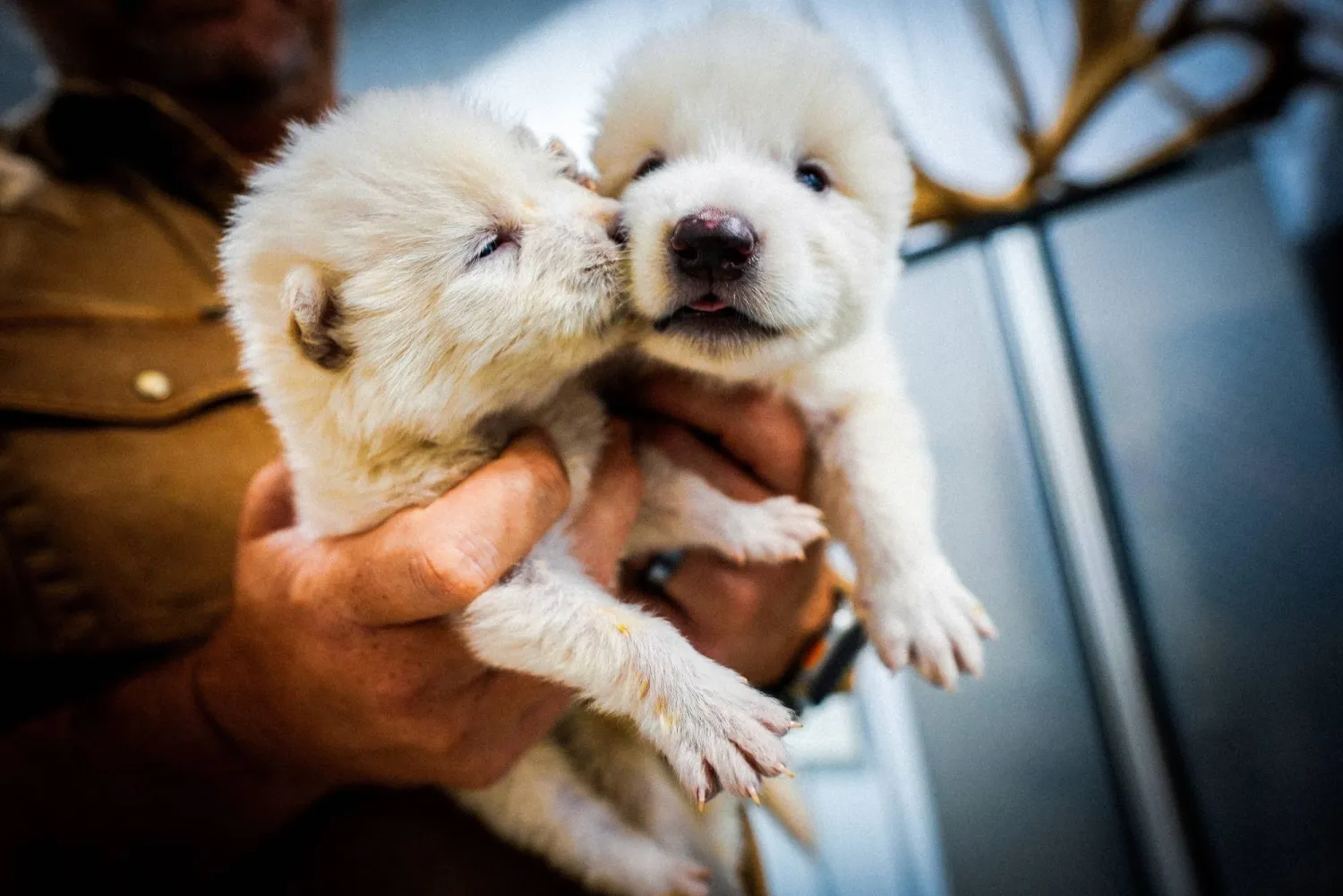
This undated photo provided by Colossal Biosciences shows two pups that were genetically engineered with similarities to the extinct dire wolf. (Colossal Biosciences via AP)
TT

Scientists Genetically Engineer Wolves with White Hair and Muscular Jaws

This undated photo provided by Colossal Biosciences shows two pups that were genetically engineered with similarities to the extinct dire wolf. (Colossal Biosciences via AP)

Three genetically engineered wolves that may resemble extinct dire wolves are trotting, sleeping and howling in an undisclosed secure location in the U.S., according to the company that aims to bring back lost species.
The wolf pups, which range in age from three to six months old, have long white hair, muscular jaws and already weigh in at around 80 pounds — on track to reach 140 pounds at maturity, researchers at Colossal Biosciences reported Monday.
Dire wolves, which went extinct more than 10,000 years old, are much larger than gray wolves, their closest living relatives today, The Associated Press reported.
Independent scientists said this latest effort doesn't mean dire wolves are coming back to North American grasslands any time soon.
“All you can do now is make something look superficially like something else"— not fully revive extinct species, said Vincent Lynch, a biologist at the University at Buffalo who was not involved in the research.
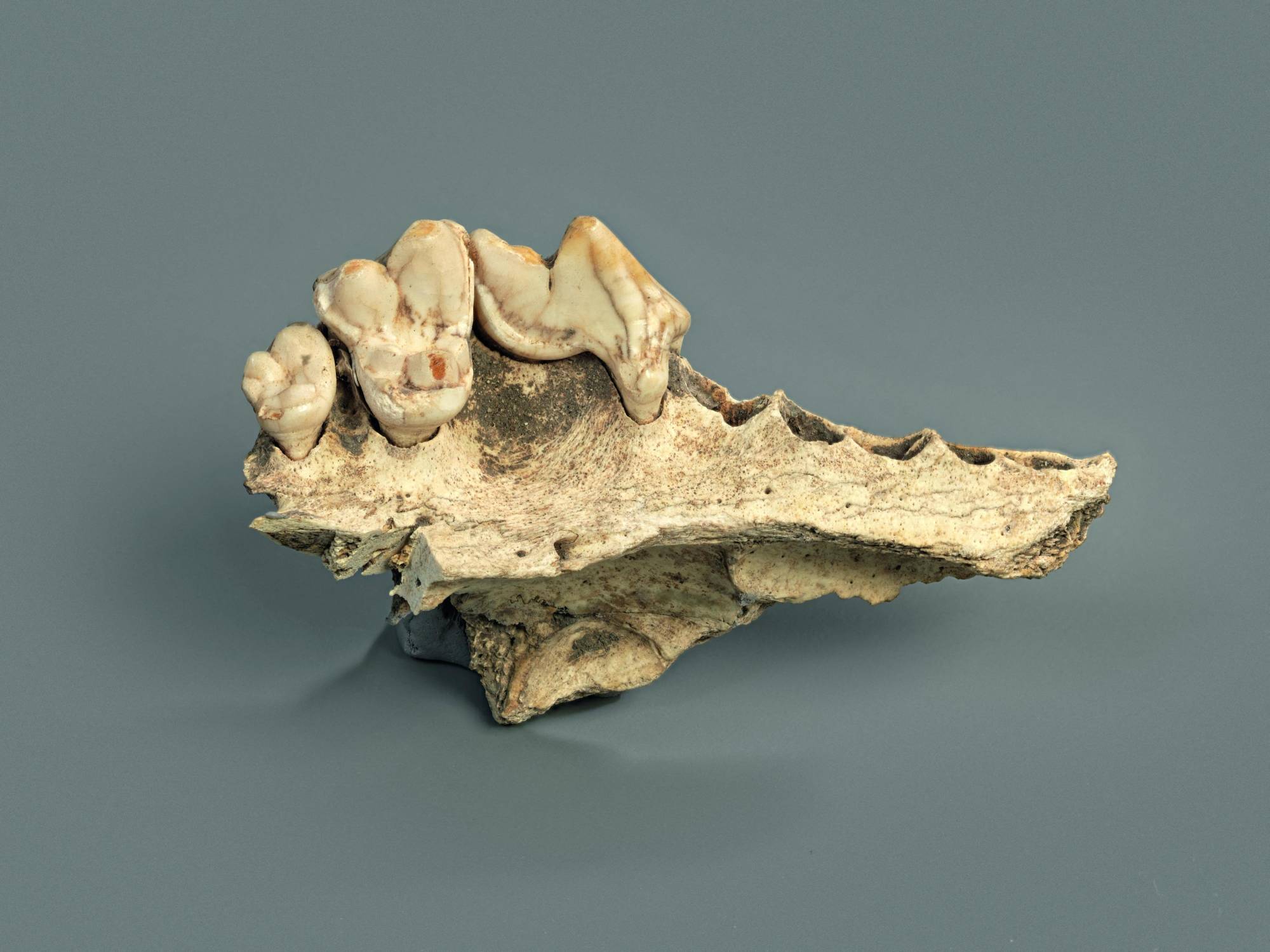
Colossal scientists learned about specific traits that dire wolves possessed by examining ancient DNA from fossils. The researchers studied a 13,000 year-old dire wolf tooth unearthed in Ohio and a 72,000 year-old skull fragment found in Idaho, both part of natural history museum collections.
Then the scientists took blood cells from a living gray wolf and used CRISPR to genetically modify them in 20 different sites, said Colossal's chief scientist Beth Shapiro. They transferred that genetic material to an egg cell from a domestic dog. When ready, embryos were transferred to surrogates, also domestic dogs, and 62 days later the genetically engineered pups were born.
Colossal has previously announced similar projects to genetically alter cells from living species to create animals resembling extinct woolly mammoths, dodos and others.
Though the pups may physically resemble young dire wolves, "what they will probably never learn is the finishing move of how to kill a giant elk or a big deer," because they won't have opportunities to watch and learn from wild dire wolf parents, said Colossal's chief animal care expert Matt James.
Colossal also reported today that it had cloned four red wolves using blood drawn from wild wolves of the southeastern US's critically endangered red wolf population. The aim is to bring more genetic diversity into the small population of captive red wolves, which scientists are using to breed and help save the species.
This technology may have broader application for conservation of other species because it's less invasive than other techniques to clone animals, said Christopher Preston, a wildlife expert at the University of Montana who was not involved in the research. But it still requires a wild wolf to be sedated for a blood draw and that's no simple feat, he added.
Colossal CEO Ben Lamm said the team met with officials from the US Interior Department in late March about the project. Interior Secretary Doug Burgum praised the work on X on Monday as a “thrilling new era of scientific wonder” even as outside scientists said there are limitations to restoring the past.
“Whatever ecological function the dire wolf performed before it went extinct, it can’t perform those functions" on today's existing landscapes, said Buffalo's Lynch.



Olympic Tourists in Cortina Can Explore the Dolomites with the New ‘Uber Snowmobile’ Service

 The peaks of the Dolomites are seen from the Cortina Sliding Centre during the Milano Cortina 2026 Winter Olympic Games in Cortina d'Ampezzo on February 5, 2026. (AFP)
The peaks of the Dolomites are seen from the Cortina Sliding Centre during the Milano Cortina 2026 Winter Olympic Games in Cortina d'Ampezzo on February 5, 2026. (AFP)
TT

Olympic Tourists in Cortina Can Explore the Dolomites with the New ‘Uber Snowmobile’ Service

 The peaks of the Dolomites are seen from the Cortina Sliding Centre during the Milano Cortina 2026 Winter Olympic Games in Cortina d'Ampezzo on February 5, 2026. (AFP)
The peaks of the Dolomites are seen from the Cortina Sliding Centre during the Milano Cortina 2026 Winter Olympic Games in Cortina d'Ampezzo on February 5, 2026. (AFP)

The peaks of the Dolomites are seen from the Cortina Sliding Centre during the Milano Cortina 2026 Winter Olympic Games in Cortina d'Ampezzo on February 5, 2026. (AFP)

For one month starting on Saturday, Olympic spectators keen for a side trip to a UNESCO World Heritage Site can use Uber to reserve a ride on a snowmobile along the snow-covered road to the base of the Three Peaks of Lavaredo.

The dramatic, jagged limestone pinnacles stand just 23 kilometers (14.3 miles) from the Cortina venues where athletes are competing in the 2026 Winter Olympics and Paralympics.

One of the Olympic torchbearers, Giulia Baffetti, runs snowmobiling tours through Cortina-based winter activities outfit Snowdreamers. The company partnered with Uber, the official ride-hailing sponsor for the Games, to offer free tours on the weekends in February to people in town.

"Uber Snowmobile" tours, which can only be booked through Uber, include a ride in an Uber transfer bus for up to eight people from Cortina to the spot where riders mount their snowmobiles for departure. Tourgoers then follow the instructor, who leads the line of snowmobiles.

The first slots offered went fast, but Uber spokesperson Caspar Nixon said Friday that it planned to add more.

The three peaks are a magical place, Baffetti said, and this is a way for more people to experience it. Hikers and climbers flock there in the warmer months. In the winter, it’s a prime spot for cross-country skiing, snowshoeing and sledding. Snowmobiling is allowed in a limited area in order to protect the environment.

"We want to give an experience to the tourists, so they can feel the mountains in a different way," she said.

The Associated Press took the one-hour tour on Thursday, ahead of the Saturday launch, along with one other person. Helmets are essential, while heated handgrips are a most welcome feature. And that red button? Passengers can push it to stop the snowmobile if it veers off course or they feel unsafe.

The adrenaline-filled ride reaches speeds up to 40 kph (25 mph) when zooming past snow-covered trees, and drivers are instructed to slow when coming upon cross-country skiers and sledders. Deer and wolves are sometimes seen along the 7-kilometer (4.3-mile) route up to the base of the peaks.

Also visible on Thursday was the southernmost of the three Lavaredo peaks, rising sharply out of the fog. While the Dolomites are breathtaking from Cortina — and on Friday, the sun shone and the view was clear from town — they are even more impressive up close.

The route back includes a short loop around Lake Antorno. Before traversing all the ups and downs, the snowmobile instructor leading the tour offers a reminder about that red button.

Saher Deeb, an Israeli tourist, was along for the ride Thursday, one day after his 29th birthday. It was his first time on a snowmobile, and he was all smiles as he climbed off at the end.

"It was perfect," he said.


French Duo Finish Walking from France to Shanghai After 1.5 Years

 Performers throw molten iron to create sparks during a performance on the Bund promenade along the Huangpu river, ahead of the upcoming Lunar New Year of the Horse in Shanghai on February 2, 2026. (AFP)
Performers throw molten iron to create sparks during a performance on the Bund promenade along the Huangpu river, ahead of the upcoming Lunar New Year of the Horse in Shanghai on February 2, 2026. (AFP)
TT

French Duo Finish Walking from France to Shanghai After 1.5 Years

 Performers throw molten iron to create sparks during a performance on the Bund promenade along the Huangpu river, ahead of the upcoming Lunar New Year of the Horse in Shanghai on February 2, 2026. (AFP)
Performers throw molten iron to create sparks during a performance on the Bund promenade along the Huangpu river, ahead of the upcoming Lunar New Year of the Horse in Shanghai on February 2, 2026. (AFP)

Two French adventurers reached the end of an epic walk from France to Shanghai on Saturday, after nearly a year and a half crossing 16 countries almost entirely on foot.

Loic Voisot and Benjamin Humblot embraced as they stood by the river on the Bund promenade, the financial hub's distinctive skyline glittering in the background.

Voisot and Humblot set off from Annecy in September 2024.

"We were thinking about this moment almost every day for more than a year now, so it's a really strong feeling," Humblot said of reaching their destination.

Hanging out after work one day, the two friends realized they both yearned for a "great adventure".

They wanted to visit China -- but without flying, which they believe is too harmful to the environment.

A plan to set out on foot was hatched, and except for a stretch in Russia which was done by bus for safety reasons, 518 days and around 12,850 kilometers (7,980 miles) later they took the last steps to completing it.

Around 50 people gathered at the start point for the last 10km stretch of their odyssey, many local people who have been following them on social media.

Along the way their numbers swelled, as media, French residents of Shanghai and others joined.

"If your dreams are crazy, just take it step by step and sometimes you will not succeed, but sometimes you will," said Voisot.

Asked what he would do first now the walk was over, he joked: "Sleep a lot!"


Annual Orchids Show Brings Vivid Color to Chicago Winter

Orchids adorn a Volkswagen Beetle as finishing touches are placed on the 12th annual Chicago Botanic Garden Orchid Show, Friday, Feb. 6, 2026, in Glencoe, Ill. (AP)
TT

Annual Orchids Show Brings Vivid Color to Chicago Winter

Orchids adorn a Volkswagen Beetle as finishing touches are placed on the 12th annual Chicago Botanic Garden Orchid Show, Friday, Feb. 6, 2026, in Glencoe, Ill. (AP)

A soft layer of white snow blankets the grounds of the Chicago Botanic Garden. The air is chilly, the sky gray.

Inside, however, the air is warm and lights illuminate more than 10,000 vividly colored orchids. Staff members move in and out of greenhouses, preparing to open the garden’s 12th annual Orchid Show on Saturday.

This year’s theme is “Feelin’ Groovy" with several installations calling back to the 1970s, including a yellow Volkswagen Beetle filled with orchids.

“It’s just a really great way to get out of the winter cold and come into our greenhouses,” said Jodi Zombolo, associate vice president of visitor events and programs. “I think people are really looking for something to kind of bring happiness and something that they will enjoy and find whimsy in.”

The orchid family is one of the largest in the plant world and some of the species in the show are rare, exhibits horticulturist Jason Toth said. One example is the Angraecum sesquipedale, also known as Darwin’s orchid, on display in the west gallery.

Toth said the orchid led Darwin to correctly conclude that pollinators have adapted in order to reach down the flower's very long end.

"It has a great story and it’s quite remarkable-looking,” said Toth.

Elsewhere, massive, gnarly roots dangle from purple, pink and yellow Vanda orchids in the south greenhouse. These epiphytic orchids grow on the surface of trees instead of in soil.

“I think everyone’s tired of the winter,” said Toth. “So having some kind of flower show at this point is what we’re all craving. And 'Orchids' fits the bill.”

The show is expected to draw 85,000 visitors this year.