
The ongoing confrontation between Israel and Hezbollah is taking on a new character, with both sides moving beyond the largely conventional fighting seen in 2024 toward a more complex, multi-layered conflict shaped by technology, intelligence and flexible battlefield tactics.
Nearly a month into the conflict, neither side appears to be seeking a swift outcome. Instead, both are pursuing incremental gains, reflecting an understanding that victory is unlikely to come through a single blow but through sustained pressure over time.
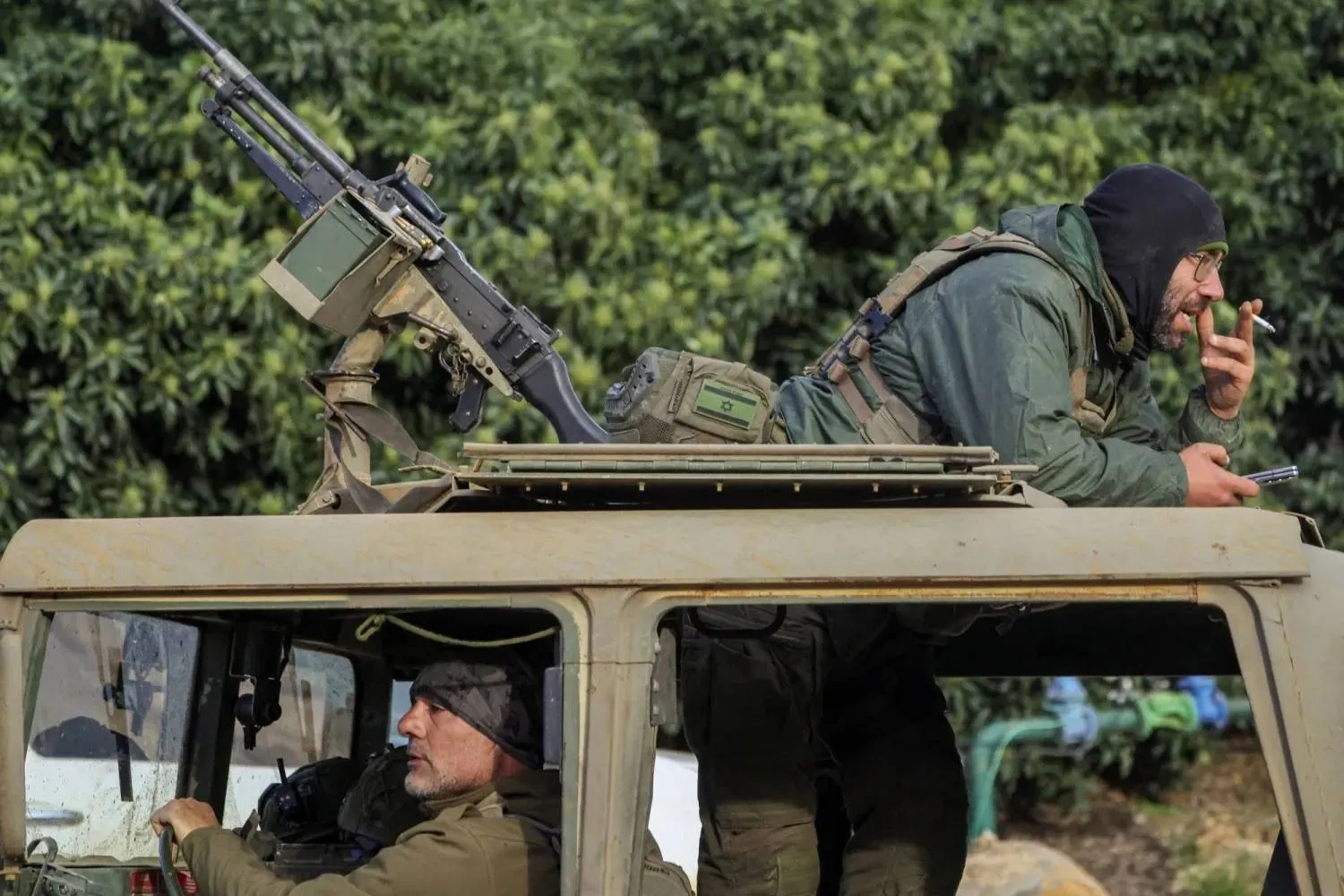
Israel has maintained extensive use of drones, deploying them for surveillance as well as targeted strikes against Hezbollah commanders and key positions. This approach is backed by strong intelligence capabilities and technological superiority.
Hezbollah, meanwhile, has adjusted its approach, shifting toward a more decentralized and mobile style of warfare, an evolution from the more static defensive tactics that led to heavier losses during the 2024 conflict.
Military analyst Brigadier General Hassan Jouni says both sides have made clear strategic adjustments based on lessons learned from previous fighting.
“Geography remains a decisive factor in shaping military operations,” Jouni said, highlighting border areas such as the town of Khiam, which continues to serve as a key flashpoint due to its strategic location.
He said Hezbollah has moved away from a strategy of fixed defense toward a more dynamic and flexible model, allowing for greater mobility and adaptability on the battlefield.
Israel, for its part, appears to be probing Hezbollah’s defensive capabilities — testing coordination, morale and combat readiness — while avoiding immediate escalation into a full-scale ground assault.
According to military expert Brigadier General Said al-Qazah, Israel’s core tactics remain largely consistent with those used in the previous 66-day war.
Israel continues to focus on dismantling Hezbollah’s military infrastructure beyond the front lines, relying on intelligence superiority and precision strikes targeting leadership structures and logistical networks.
These operations have included strikes on missile stockpiles, launch platforms, command-and-control centers, as well as economic and financial entities linked to Hezbollah.
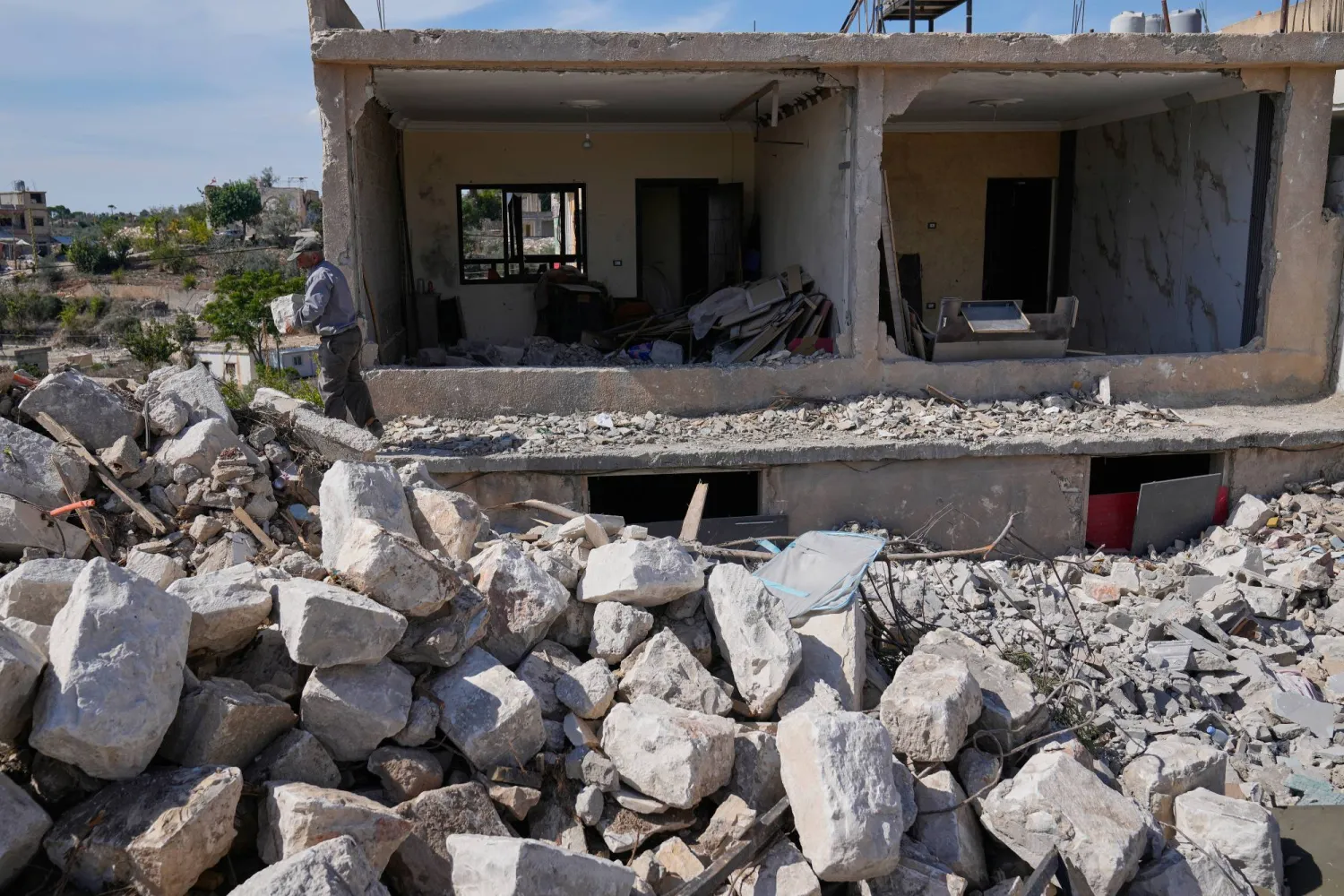
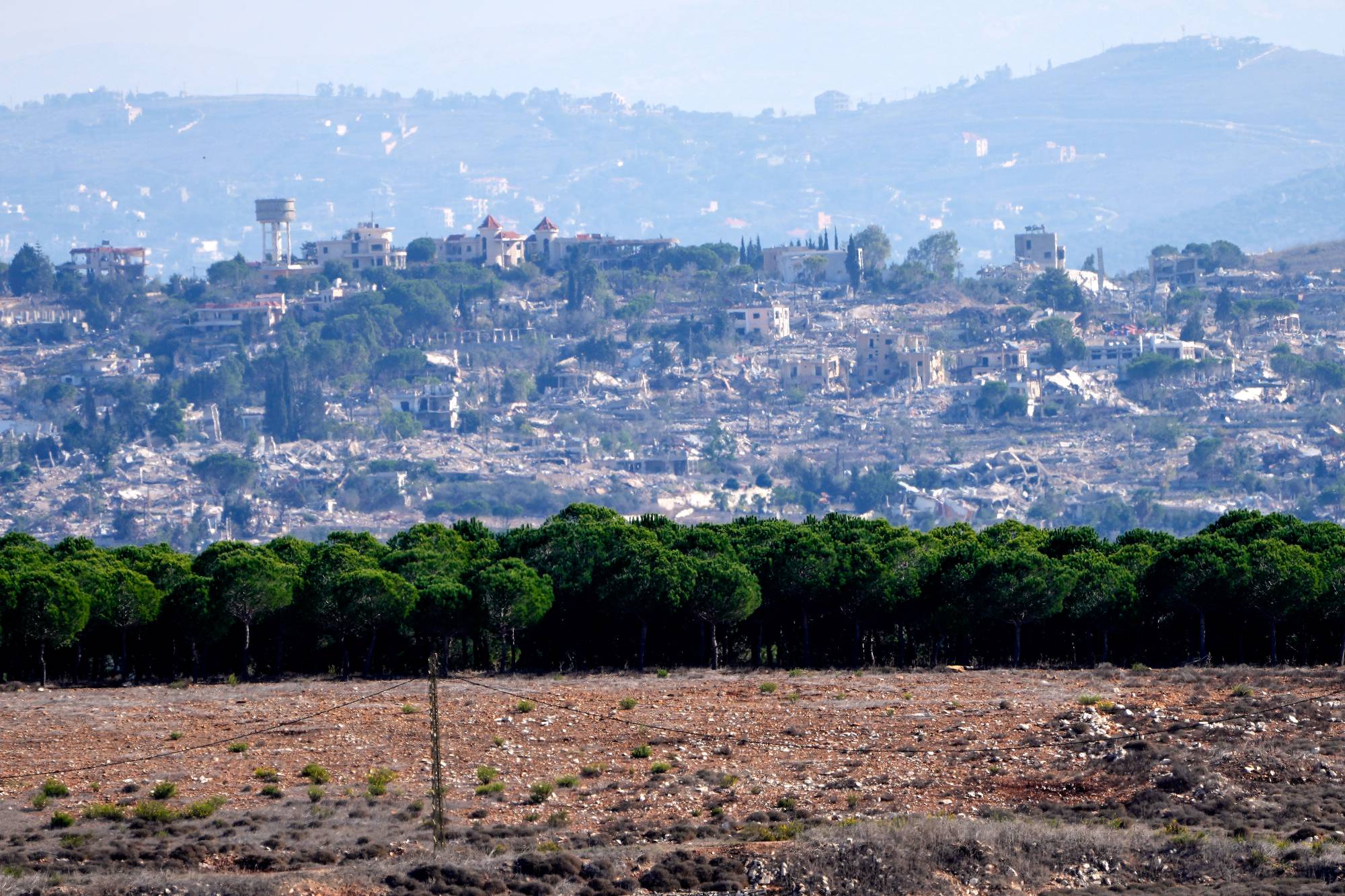
Qazah noted that a defining feature of the current campaign is Israel’s use of a “scorched earth” approach along the border, involving the systematic destruction of villages to create a buffer zone. This is intended to deny Hezbollah fighters the ability to use terrain and buildings for infiltration or anti-tank attacks against advancing troops and northern Israeli communities.
Hezbollah has sought to counter Israel’s air superiority by adapting its tactics. Taking advantage of the period following a ceasefire, the group has shifted toward decentralized defense, abandoning fixed lines in favor of small, semi-autonomous units.
These units operate with greater decision-making flexibility, drawing on guerrilla warfare principles. This approach complicates Israeli efforts to eliminate Hezbollah’s combat capability through a single strike.
So far, Israeli pre-emptive strikes have not fully degraded Hezbollah’s operational capacity, helping explain delays in launching a large-scale ground offensive.
Hezbollah is currently focusing on short-range rockets, aimed at maintaining sustained pressure on Israel’s northern front and disrupting stability rather than achieving a decisive military breakthrough.
Jouni said this strategy complements Iranian strikes, increasing strain on Israeli air defense systems while adding a psychological dimension to the conflict.
Hezbollah has also strengthened internal security measures to limit infiltration, particularly in response to drone strikes targeting its fighters. This has contributed to a relative reduction in casualties along the front lines.
The group appears intent on maintaining continuous engagement with Israeli forces — even in the absence of a major ground incursion — in an effort to wear them down over time.
A Fragile Balance
Israel’s current strategy centers on achieving fire control over areas south of the Litani River through sustained air and naval strikes, combined with psychological pressure aimed at prompting civilian displacement.
However, a broad ground advance has yet to materialize. Jouni said Israel appears to be weighing options between establishing a buffer zone extending 5 to 8 kilometers from the border or pushing deeper into southern Lebanon.
“The course of the fighting will determine the final decision,” he said, describing the current situation as a “careful balance” in which both sides seek to achieve their objectives without triggering a wider war.
Geopolitical Factor
A new factor shaping the conflict is the increased use of medium-range rockets by Hezbollah, often synchronized with Iranian ballistic missile strikes. Qazah said the aim is to overwhelm Israeli air defenses, allowing some missiles to penetrate while also attempting to prompt civilians in northern Israel to evacuate, an objective that has not yet been fully achieved.
He added that geography remains a key factor, with Israel relying on technological superiority and gradual advances to navigate complex terrain, while prioritizing its broader confrontation with Iran. Hezbollah, in turn, is using geography to prolong the conflict and stretch Israeli forces.
“The final outcome,” Qazah said, “will ultimately depend on developments on the ground.”