




The King Abdulaziz Center for World Culture (Ithra), an initiative of Aramco, is participating in Milan Design Week, one of the world’s most prominent annual design events, taking place during April 20-26, 2026. This participation reflects the center’s aspirations to strengthen the role of design within the cultural landscape. As part of its presence, Ithra is presenting key features of Ithra Design Week (IDW)—announced last year as a dedicated platform supporting the design sector and designers, aimed at fostering collaboration, nurturing creativity, and advancing design content from the Arab world on the global stage.
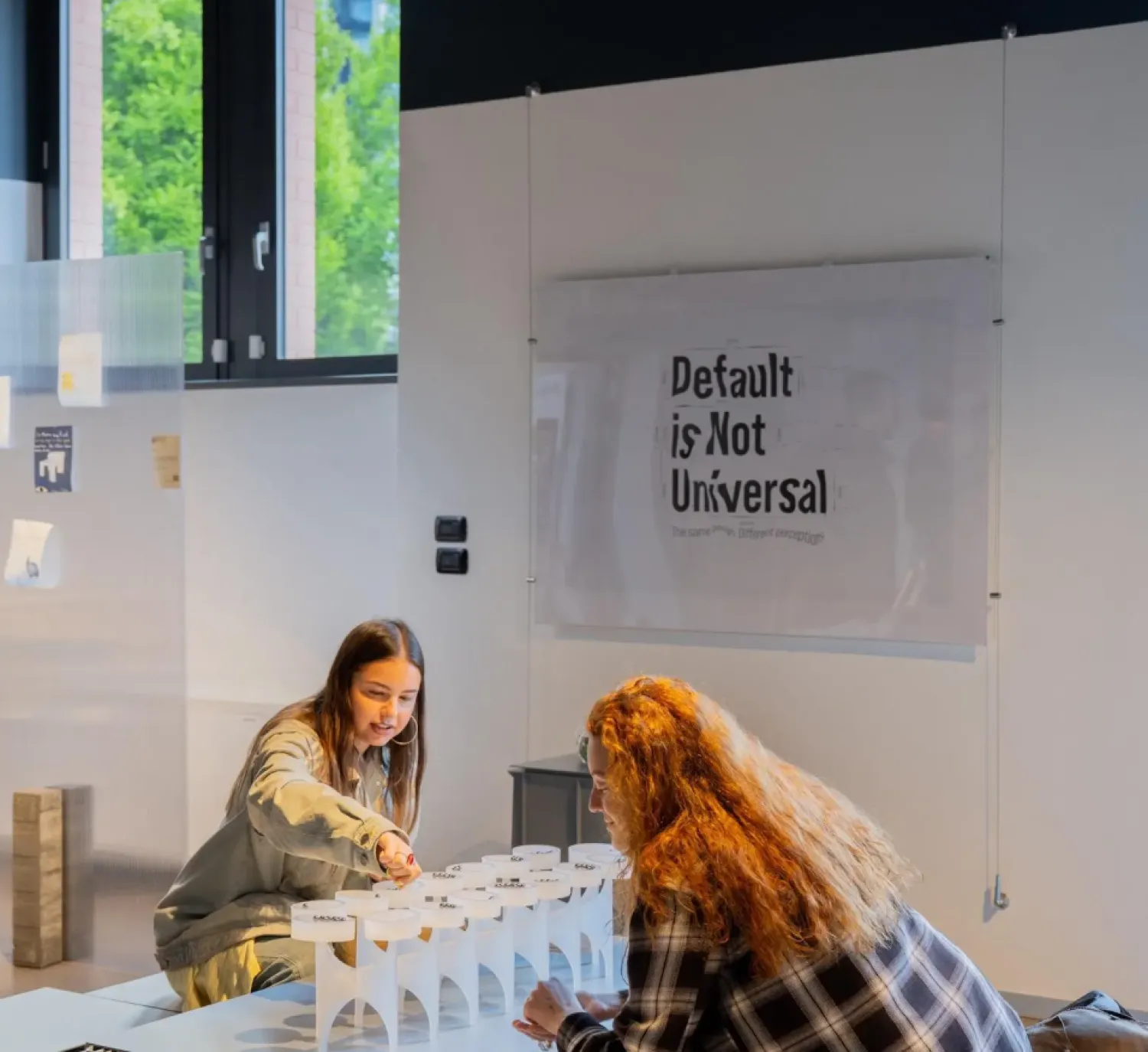
As part of its participation, Ithra is presenting the exhibition “Default is Not Universal” at the Isola Design Festival, within the framework of Milan Design Week 2026. The exhibition represents the first tangible realization of Ithra Design Week as a regional platform for designers, showcasing their creativity and cultural narratives to international audiences while opening channels for global dialogue on the future of design, SPA reported.
Manager of Programs at Ithra Nourh Al-Zamil said: “Ithra’s participation in Milan Design Week; one of the most important global events in the field of design, reflects the Center’s mission to empower creative talent, strengthen cultural exchange, and support the growth of the creative economy at both regional and international levels. It also highlights Ithra Design Week 2026, that announced last year as a platform dedicated to supporting and advancing the future of Arab design.”
Al-Zamil added that Ithra’s international participation in leading design and creativity forums serves as an important platform for attracting designers from across the Middle East. She noted that the “Default is Not Universal” exhibition, presented in collaboration with Isola Design; a partnership spanning four years; aims to empower creativity and connect designers from around the world. She emphasized that the exhibition reflects Ithra’s continued efforts to build a year-round integrated ecosystem enabling designers to collaborate, grow, and thrive.
The “Default is Not Universal” exhibition features works by eight designers from across the Middle East and North Africa (MENA) region and includes seven interactive stations. Through the use of artificial intelligence, the exhibition collects visitor interaction data and transforms it into a dynamic map illustrating how cognitive patterns are shaped by diverse cultural influences. In an innovative step, this data will later be used to commission a designer to produce an entirely new piece reflecting the exhibition’s insights and outcomes.
The exhibition represents a collaborative experience between Ithra and Isola Design and is the outcome of a four-year partnership. Following its debut, the exhibition will be expanded and travel to Saudi Arabia, where it will serve as the anchor international exhibition of the main Ithra Design Week event scheduled to take place later this year.
The exhibition’s seven interactive stations include “The Collective Sofa,” a white seating installation by Studio Oblique (UAE) that transforms through visitor interaction into a shared archive reflecting their contributions; “Moments of Absence,” a sculptural installation featuring miniature ceramic chairs by Fajr Al-Basri (Bahrain) that invites visitors to select and sketch the chair they most identify with; and “Body Blocks,” an interactive game by Davina Atteya (Lebanon) inspired by Mesopotamian figurative forms, enabling users to assemble hybrid characters through modular components.
Additional stations include “Attar Al-Balad,” a sensory installation composed of sculptural blocks formed from traditional Saudi herbs and spices that re-evokes memory through scent; “Reflections,” a collection of mirrors by designers from Egypt, the UAE, and Morocco exploring visitors’ perceptions of color, form, and identity; “Majma,” an interactive musical instrument by digital artist Samit Rohila enabling visitors to collaboratively compose spontaneous collective soundscapes; and finally “Daughters of Berythus,” an installation embedding traces of craft traditions and everyday life that invites visitors to explore material memory through touch.


