
The United States has postponed a virtual meeting between Lebanese, Israeli and US military delegations that had been expected on Friday to discuss the first phase of the “pilot zones” plan.
The delay puts the practical rollout of the framework agreement between Lebanon and Israel on hold, particularly the pilot zone arrangements, and renews questions over an implementation process that still has no clear timetable.
The technical meeting was agreed during the latest round of negotiations in Rome at the start of the week. It was intended to finalize the first phase mechanism: Israeli forces would withdraw from several pilot zones, allowing the Lebanese army to deploy there under the supervision of the monitoring committee. The plan would then expand in later stages.
Sources familiar with the negotiations told Asharq Al-Awsat that Washington requested the postponement, saying more time was needed to complete technical files, operational plans and implementation procedures.
No new date was set.
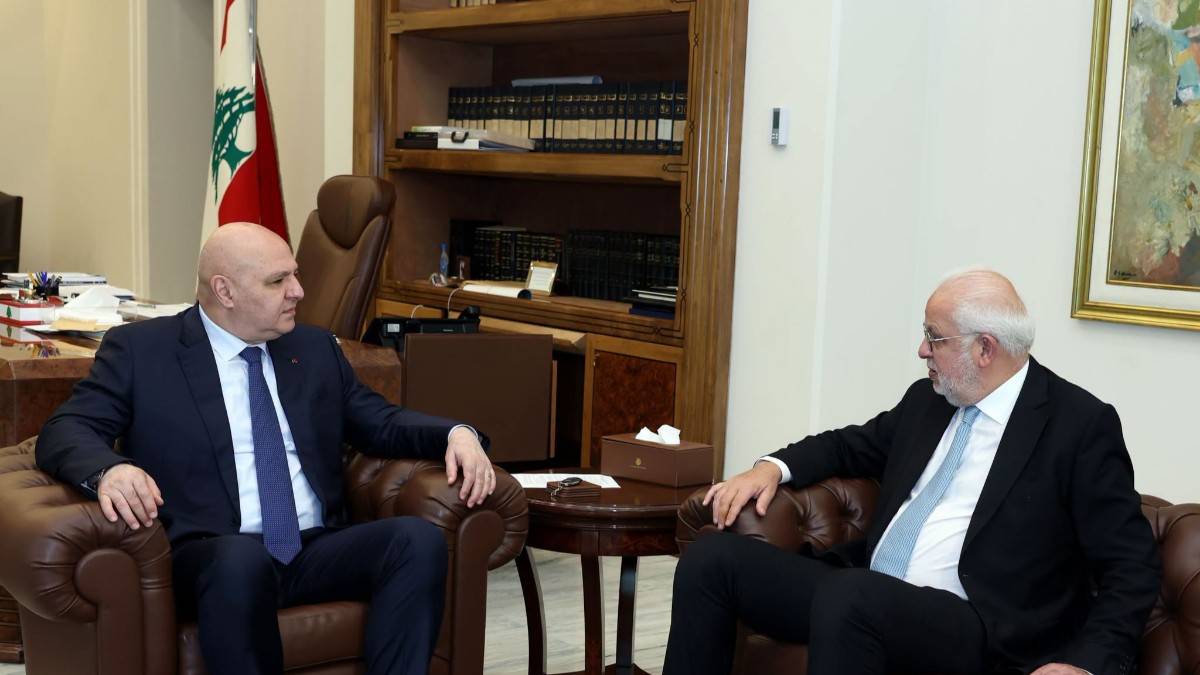
The sources said the meeting could instead take place during a visit by US Central Command chief Admiral Brad Cooper, who is due in Beirut on July 23. Cooper met President Joseph Aoun and Lebanese army commander General Rodolphe Haykal late last month.
Military sources, however, linked the delay to Israeli actions on the ground in Lebanon.
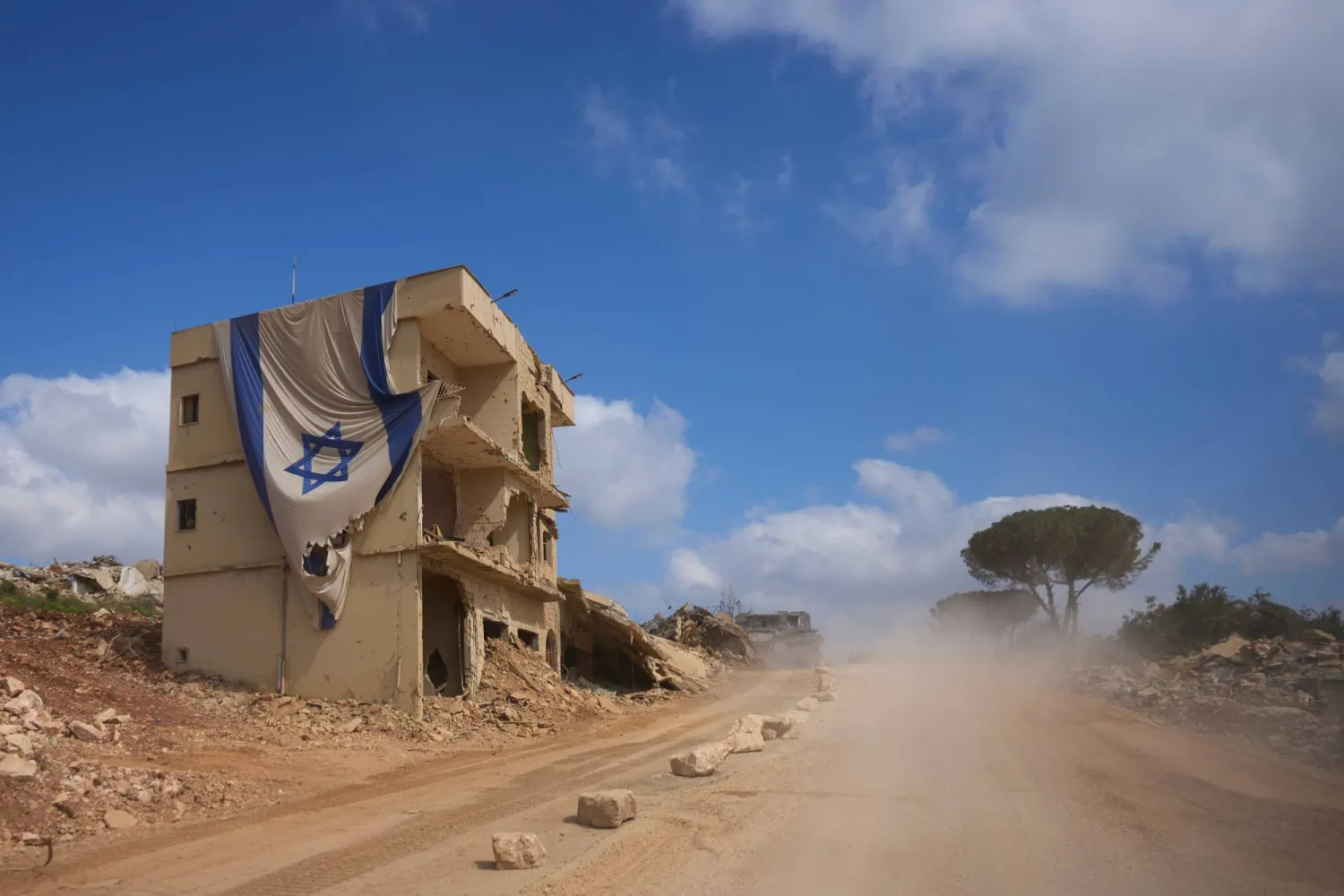
“Israel is continuing its systematic destruction of border villages in what appears to be an attempt to complete its objectives on the ground before committing to any implementation agreement,” the sources said.
They said Israel, which still refuses to withdraw from Lebanese territory, was trying to limit the pilot zone plan to locations it does not occupy. Washington, meanwhile, is pressing Israel to begin implementing the agreement by withdrawing from areas under its control.
The sources said the disagreement explained Israel’s attempts to buy time and delay the start of actual implementation.
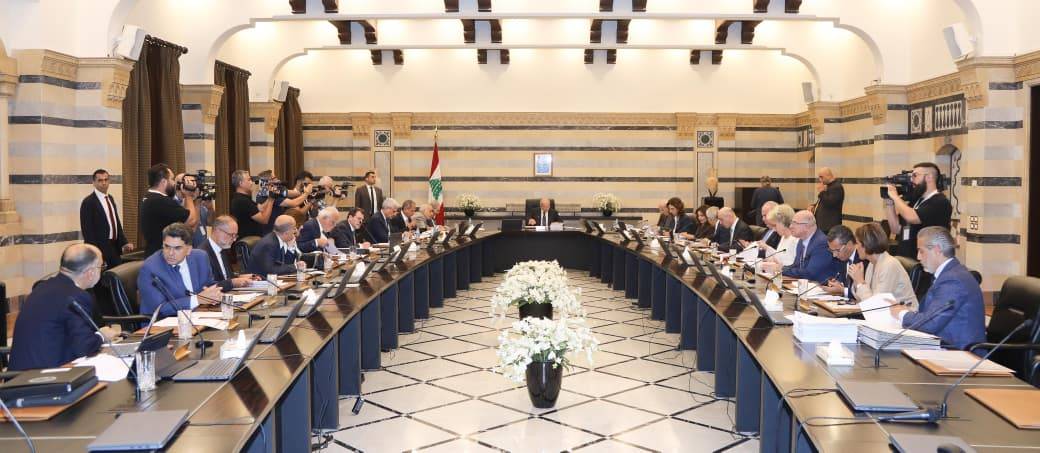
The sixth round of direct Lebanese-Israeli negotiations, held in Rome under US sponsorship, ended with an agreement to finalize the pilot zone structure and begin implementation within days.
The plan forms part of the framework agreement aimed at consolidating the ceasefire and preparing for a gradual Israeli withdrawal in return for the deployment of the Lebanese army. But the agreement sets no binding deadline for a full Israeli withdrawal.
Israel says it will not leave the security zone it seeks to retain, stretching about 10 km from the border, until Hezbollah has been disarmed in those areas.
That condition is widely seen as highly difficult under Lebanon’s current circumstances.
Violations and destruction continue
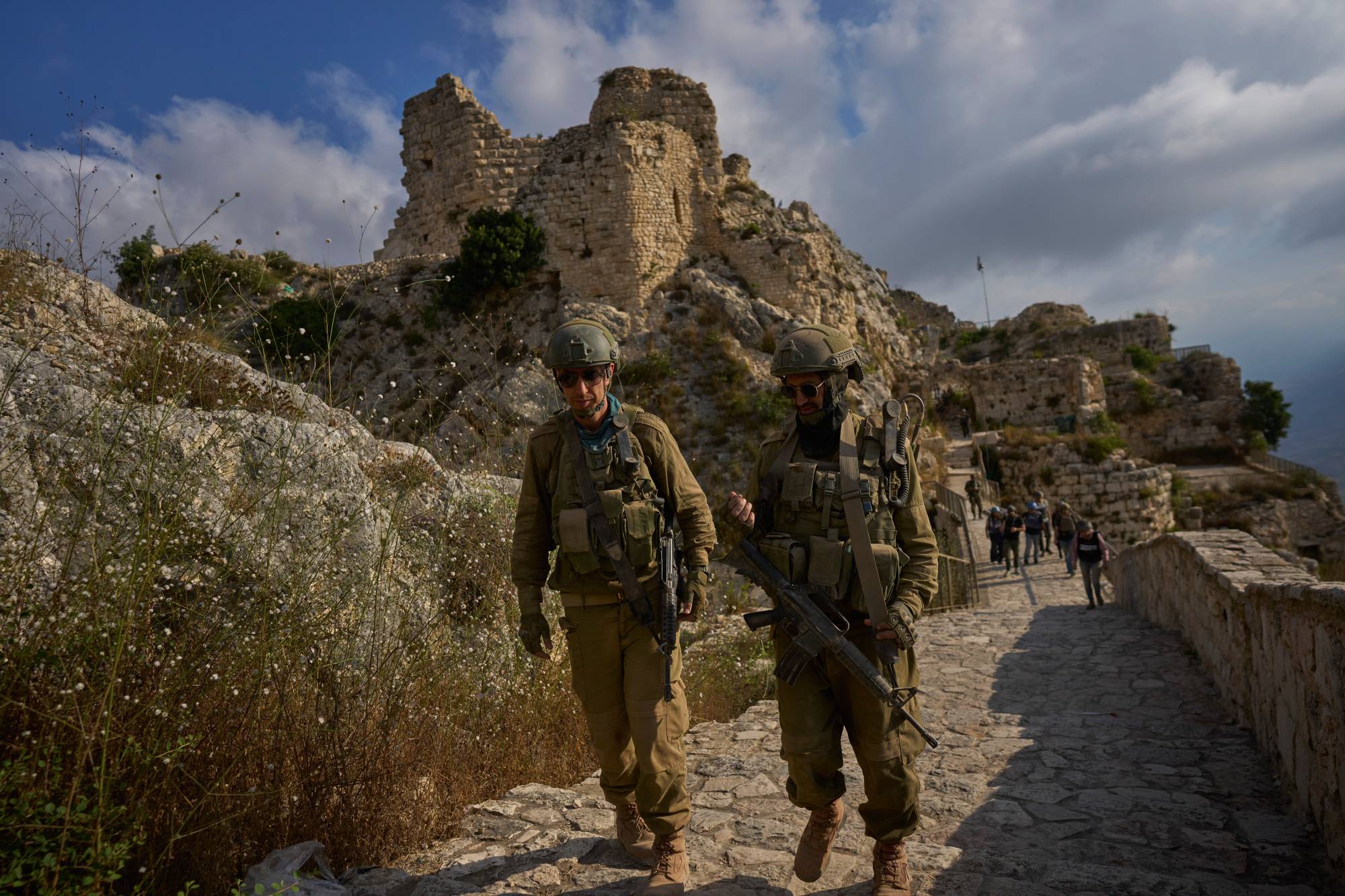
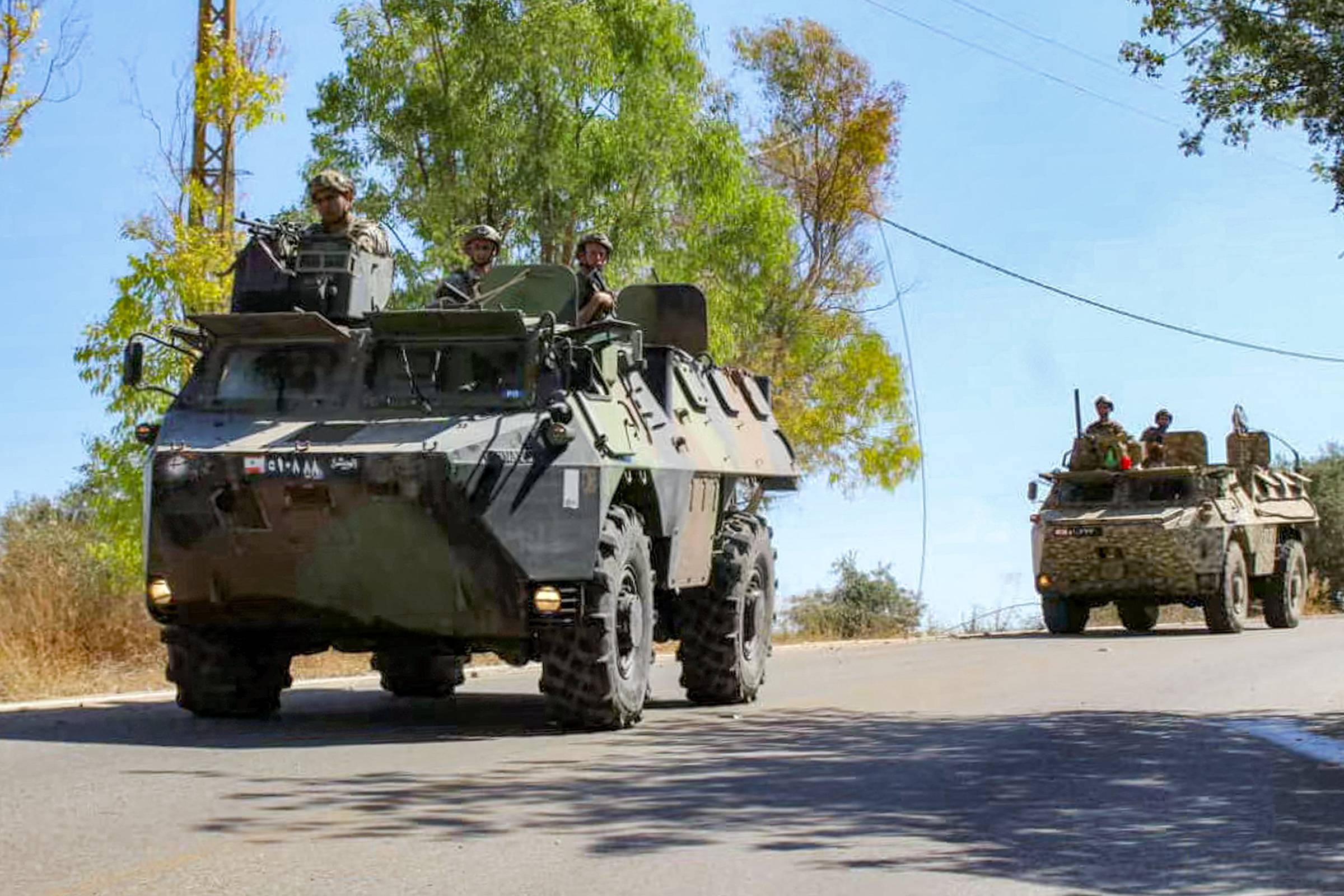
On the ground, Israeli violations continued across southern Lebanon as the Lebanese army expanded its deployment.
The army deployed in the town of Froun in the Bint Jbeil district and began intensive patrols. Froun is one of six villages being considered for the pilot phase.
Israeli forces continued demolishing homes, most recently in Bint Jbeil.
Israeli drones also struck Mayfadoun and Choukine, carried out three strikes on the Naqoura road and hit Mansouri. Another strike on Naqoura wounded a Syrian worker.
Israeli forces also carried out a large explosion on Friday morning in Hadatha, near the outskirts of Aita al-Jabal, and continued combing operations in several border areas.
Rescue teams recovered the bodies of victims of the strike on Mansouri late on Thursday.
Residents of Haris appealed to the Lebanese army to evacuate civilians trapped during an Israeli combing operation, the state-run National News Agency reported.
Hezbollah steps up criticism, warns of internal instability
Hezbollah, meanwhile, continued to attack the framework agreement and the Lebanese authorities’ handling of the negotiations.
Hezbollah lawmaker Ali Fayyad said the Rome talks had exposed the weakness of Lebanon’s official position.
He accused the authorities of pursuing negotiations despite continuing Israeli military operations and following policies aimed at satisfying the United States and Israel.
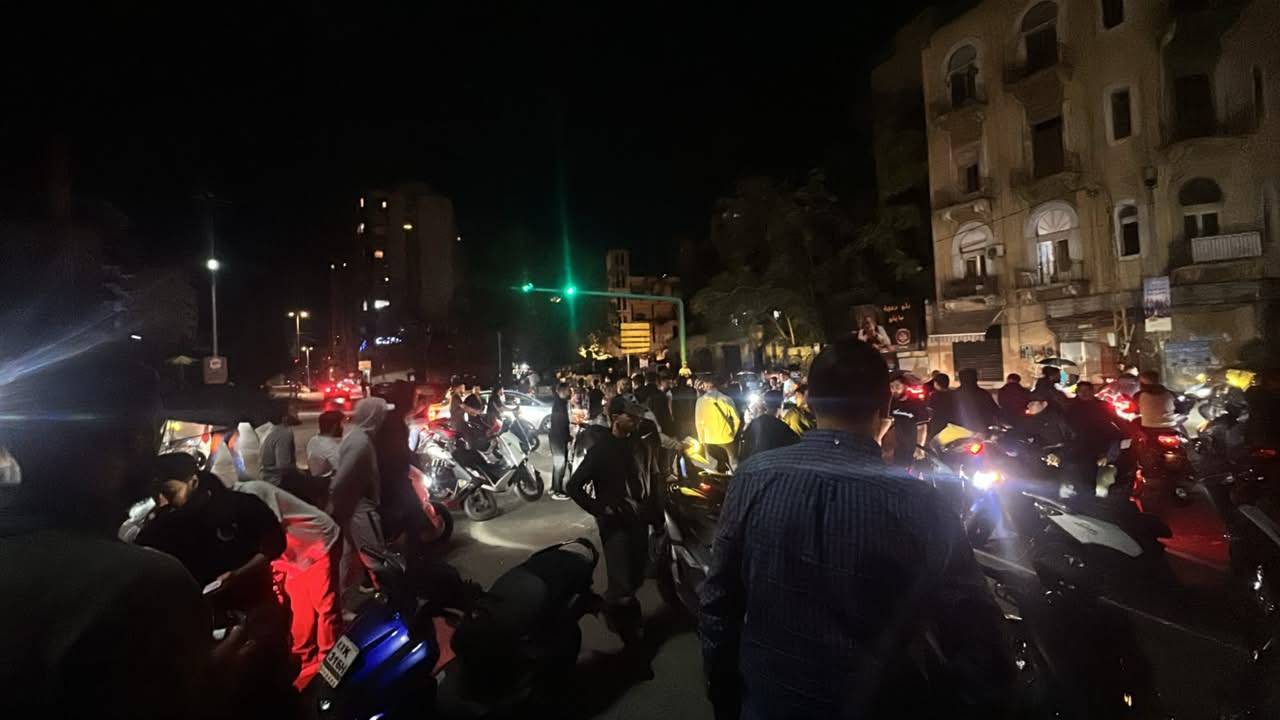
Fayyad warned that the approach threatened domestic stability.
“These authorities are determined to take the country to an extremely dangerous place,” he said.
He said the process would neither restore Lebanese territory nor protect sovereignty, but would instead cost the country its internal stability and national unity.
Fayyad said the “resistance [Hezbollah] is ready for all possibilities and options” and remained committed to what he described as its principles of defending Lebanon, liberating occupied territory and securing the return of residents to their villages.