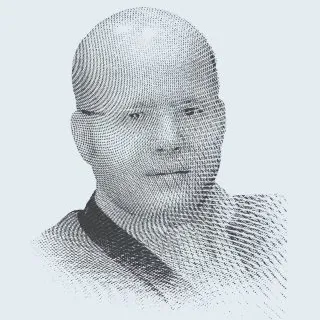
Carolyn Rodrigues, the former Foreign Minister of Guyana, a country located in South America’s north, currently serves as her nation's representative to the United Nations. She is running in the race for the position of UN Secretary-General, which will become vacant early next year after Mr. Antonio Guterres completes his second term. She is also the youngest candidate, at 52.
Guyana is a small Latin American country with a population of less than one million and an area of approximately two hundred thousand square kilometers. Its official language is English, owing to its history of British colonialism. Its population is a mix of different religions and ethnicities, with about 40 percent being Muslims, most of whom are of Indian and African descent.
Ms. Rodrigues' nomination was surprising given the small size of her country and its distance from direct influence in world affairs. However, Ms. Rodrigues and her country are distinguished by maintaining friendly relations with influential states on the Security Council. Even if she is not the top candidate for the major powers, her presence as an alternative to prominent candidates who might face conflicting vetoes could help her win out.
A few days ago, an informal debate was held at the United Nations, attended by six of the seven announced candidates so far; Ms. Amina Mohammed, from Nigeria, was absent, suggesting the possibility of her withdrawal from the race soon.
The debate concluded with a request for those present – representing a large group of diplomats, journalists, students, and those interested in UN affairs – to vote on who they believed was the most capable candidate to lead the United Nations in the coming period and achieve its goals.
Here came the surprise: Ms. Rodrigues swept the competition with 46 percent, followed by former Chilean President Michelle Bachelet, who garnered 14 percent, and then Ms. Rebeca Grynspan from Costa Rica, who secured 13 percent, while the remaining candidates received 10 percent or less each.
This result fuels hope and optimism that Ms. Grynspan's ascension to the position is not an inevitable fate. It serves as a renewed call to Arab officials, especially the new Secretary-General of the Arab League, Mr. Nabil Fahmy, to form a special working group under his leadership to follow the electoral process step by step, communicate with the capitals of major Security Council states, elected members, and ambassadorial groups of Arab, Islamic, African, Non-Aligned, and Latin American countries.
This group should explain the serious consequences and the significant rift that Ms. Grynspan's election could create due to her clear bias towards Israel, her undisguised relationship with Zionist organizations, especially AIPAC, and the consequent weakening of the UN and perhaps the erosion of its role in regional conflicts.
Rodrigues could be the dark horse in this race; therefore, she deserves close monitoring and anticipation.