


Scholars’ Gathering Affirms Islamic Consensus on Women’s Right to Education

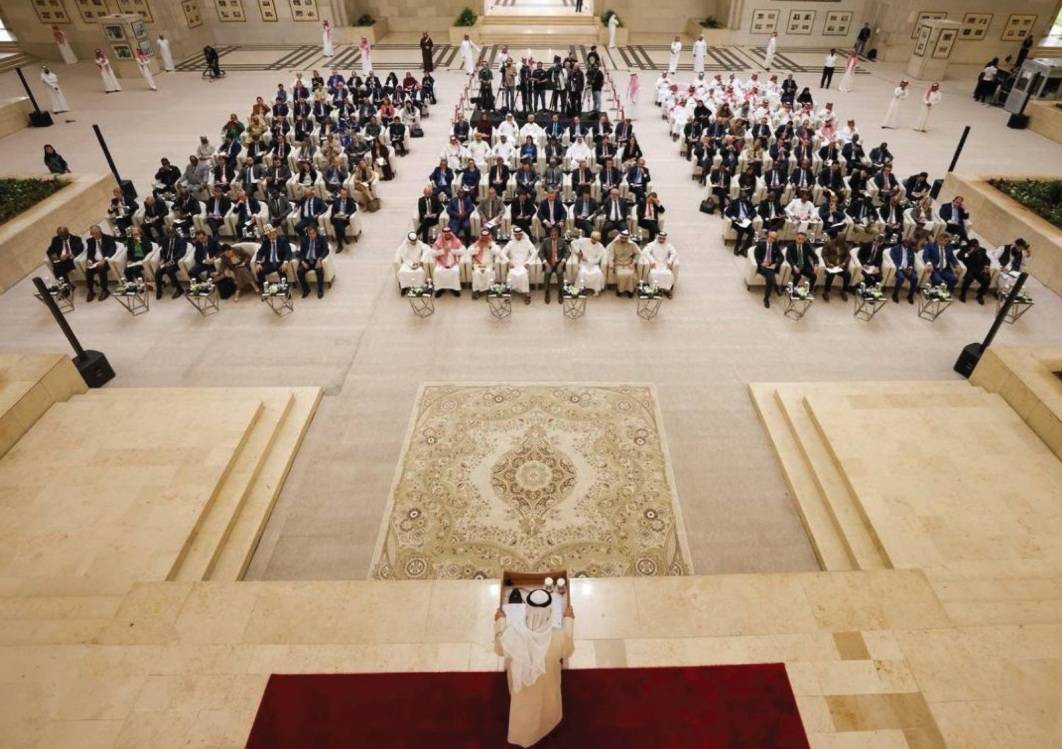
The exclusive Scholars’ Session, part of the “Girls’ Education in Muslim Communities” initiative, was held in Islamabad. Asharq Al-Awsat
TT

Scholars’ Gathering Affirms Islamic Consensus on Women’s Right to Education

The exclusive Scholars’ Session, part of the “Girls’ Education in Muslim Communities” initiative, was held in Islamabad. Asharq Al-Awsat

Bringing together representatives from Fiqh academies, organizations, councils, and religious committees, along with a distinguished assembly of muftis and senior scholars from various schools of thought and sects across the Islamic world, the Scholars’ Session reaffirmed the enduring consensus in Islam—both historically and contemporarily—on the legitimate right of women to education.

The exclusive Scholars’ Session, part of the “Girls’ Education in Muslim Communities” initiative, was held in Islamabad, the capital of Pakistan, under the leadership of Sheikh Dr. Mohammed Al-Issa, Secretary-General of the Muslim World League and Chairman of the Organization of Muslim Scholars.

At the conclusion of the extensive scholarly dialogue, which lasted several hours, all participants unanimously affirmed—with enlightened judgment—the Islamic consensus, both historically and contemporarily, on the legitimate right of women to education.

This consensus is based on the comprehensive Islamic texts concerning the matter, affirming that women possess the same rights as their male counterparts to education at any age, level, or field of study, provided it aligns with Islamic teachings.

The discussion underscored that this right is rooted in the fundamental Islamic obligation of seeking knowledge, which applies equally to both genders, in accordance with Islamic teachings.

The dialogue included a thorough refutation of all misconceptions surrounding women's education, whether these were complete or partial. Participants emphasized that their religious declaration is intended for all individuals, institutions, and both public and private entities across the Islamic world and minority communities, adhering to the appropriate Islamic methodology for such declarations.

The scholars’ statements praised the comprehensive principles related to the legitimate empowerment of women in general, and their education in particular, as outlined in the Charter of Makkah and the Charter of Building Bridges between Islamic Schools of Thought and Sects.

Both international conferences, which issued these charters, were supported by the Custodian of the Two Holy Mosques, King Salman bin Abdulaziz.


Saudi Crown Prince, Emir of Qatar Discuss Fraternal Ties, Regional and Global Developments

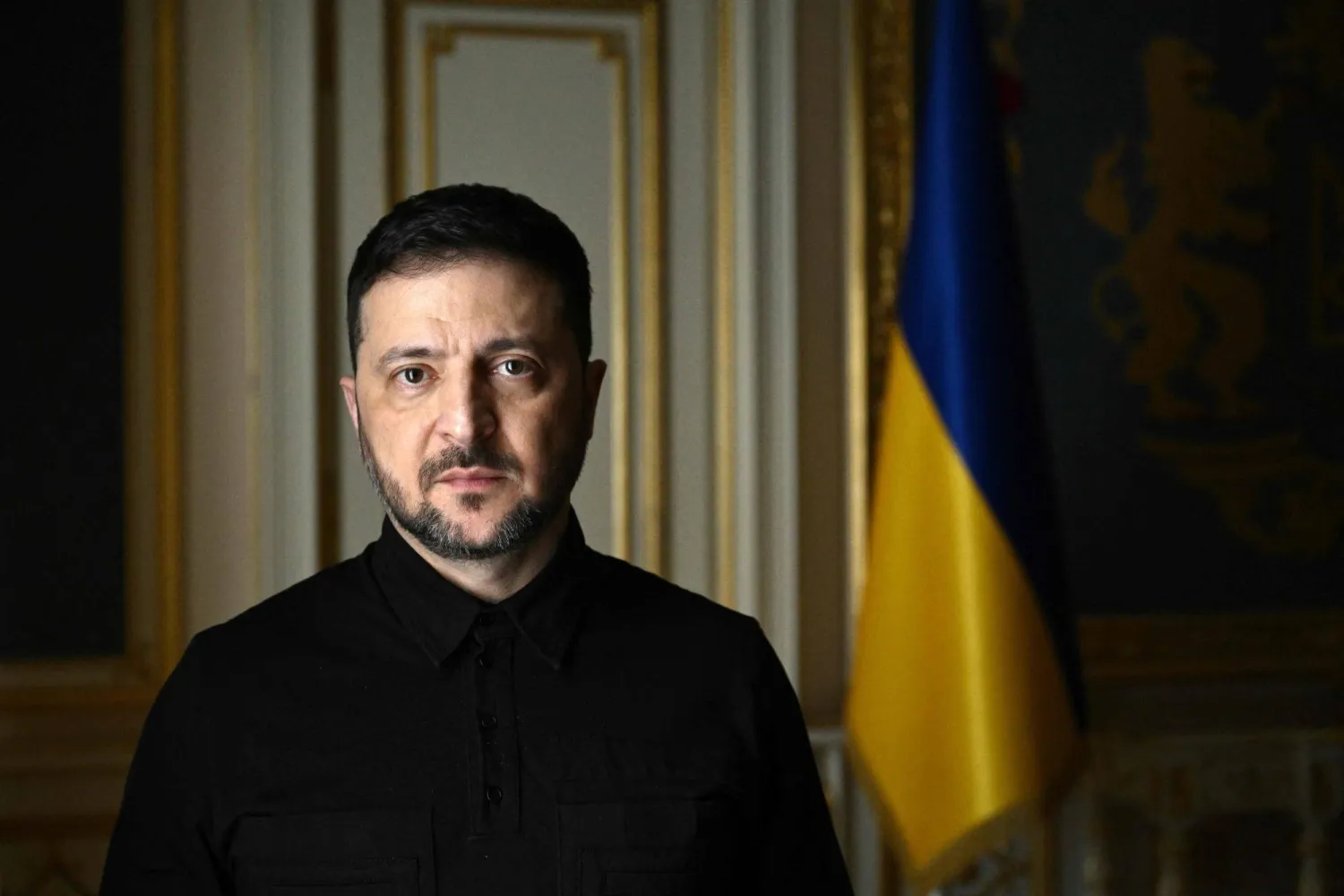
Combined photo of Prince Mohammed bin Salman bin Abdulaziz Al Saud, Crown Prince and Prime Minister of Saudi Arabia on the right, and Emir of Qatar Sheikh Tamim bin Hamad Al Thani to the left. (SPA)
TT

Saudi Crown Prince, Emir of Qatar Discuss Fraternal Ties, Regional and Global Developments

Combined photo of Prince Mohammed bin Salman bin Abdulaziz Al Saud, Crown Prince and Prime Minister of Saudi Arabia on the right, and Emir of Qatar Sheikh Tamim bin Hamad Al Thani to the left. (SPA)

Prince Mohammed bin Salman bin Abdulaziz Al Saud, Crown Prince and Prime Minister of Saudi Arabia, received a phone call on Thursday from Emir of Qatar Sheikh Tamim bin Hamad Al Thani, the Saudi Press Agency said.

They discussed ways to strengthen fraternal ties between the two countries and addressed recent regional and international developments.


Saudi Leadership Offers Condolences to Bangladesh on Death of Former PM Khaleda Zia

An aerial view shows mourners gathered for the funeral ceremony of Bangladesh's former Prime Minister Khaleda Zia at the Parliament House premises in Dhaka on December 31, 2025 a day after her death. (AFP)
TT

Saudi Leadership Offers Condolences to Bangladesh on Death of Former PM Khaleda Zia

An aerial view shows mourners gathered for the funeral ceremony of Bangladesh's former Prime Minister Khaleda Zia at the Parliament House premises in Dhaka on December 31, 2025 a day after her death. (AFP)

Custodian of the Two Holy Mosques King Salman bin Abdulaziz Al Saud sent on Thursday a cable of condolences to Bangladesh’s President Mohammed Shahabuddin on the death of former Prime Minister Khaleda Zia.

He extended his sincere condolences and sympathy to the president and the family of the deceased.

Prince Mohammed bin Salman bin Abdulaziz Al Saud, Crown Prince and Prime Minister, sent Shahabuddin a similar cable.


Pakistan Supports Saudi Arabia, Welcomes Regional Efforts to De-escalate Situation in Yemen

The Pakistani flag is seen in Islamabad.  AP file photo
The Pakistani flag is seen in Islamabad. AP file photo
TT

Pakistan Supports Saudi Arabia, Welcomes Regional Efforts to De-escalate Situation in Yemen

The Pakistani flag is seen in Islamabad.  AP file photo
The Pakistani flag is seen in Islamabad. AP file photo

Pakistan has confirmed its support for Yemen’s unity and territorial integrity, and for all efforts aimed at achieving lasting peace and stability in the country.

The Pakistani Ministry of Foreign Affairs said in a statement issued Wednesday that Pakistan strongly opposes any unilateral actions taken by any Yemeni party that escalate the situation, undermine peace efforts, and threaten peace and stability in Yemen and the region.

The statement said Pakistan welcomes regional efforts to de-escalate the situation and maintain peace and stability in Yemen, expresses its full solidarity with Saudi Arabia, and reaffirms its commitment to the Kingdom’s security.

It added that Pakistan maintains its strong support for resolving the Yemen issue through dialogue and diplomacy, and hopes that the Yemeni people and regional powers will work together to reach a comprehensive and lasting settlement of the issue and safeguard regional stability.
