Each time a new Secretary-General of the Arab League is due to be appointed, the issue is framed as one of a person rather than an institution. The incoming or outgoing Secretary-General is typically a figure of broad competence and experience, drawn from a distinguished diplomatic background and senior posts, most notably Egypt’s foreign ministry.
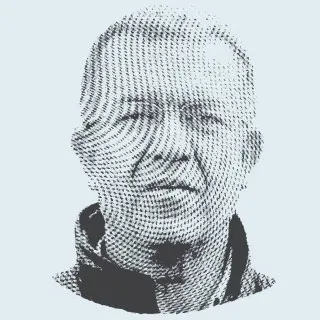
Notably, the new Secretary-General, Nabil Fahmy, is not only a former foreign minister, but also the son of Ismail Fahmy, who led Egyptian diplomacy during a turbulent period marked by intense controversy.
The son’s tenure, however, was far calmer. After leaving office, he did not withdraw from public life, but remained engaged through a weekly column that served as his platform and, at the same time, his bridge to state policy.
The Secretary-General heads an independent institution and, in many ways, comes to resemble it. Neither the League nor its chief has always succeeded in avoiding the risk of fragmentation, as has happened more than once, most recently in the dispute over Syria and its membership.
Secretaries-General tend to leave behind distinguished and substantial records, having spent many years in the role. Their presence is usually accompanied by a degree of expected political prominence. There are no real exceptions in this line, which has included Nabil Elaraby, the veteran Amr Moussa, and Ahmed Aboul Gheit, whose tenure has been marked by steady political and administrative engagement.
The League does not perform miracles, nor does its Secretary-General, but it organizes and largely preserves Arab ties. Whether in times of weakness or strength, it remains the central reference point.
For that reason, the personality of the Secretary-General plays a decisive role in shaping the office. Each tenure bears the imprint of its holder: the calm of Ahmed Aboul Gheit, or the spotlight that has long accompanied Amr Moussa, and still does.