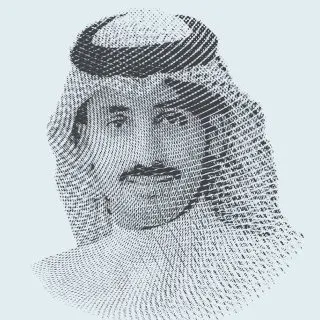
The person most deserving of sympathy these days is Iranian President Masoud Pezeshkian. He remains the sole voice of reason genuinely focused on the Iranian people and their daily livelihoods. from electricity and water to the currency and wages, while hardline Revolutionary Guard commanders talk of war, vow to bring Trump to his knees, and threaten to bomb their peaceful neighbors.
Pezeshkian speaks of the daily reality facing millions of Iranians enduring power outages, deteriorating services, currency inflation, and rising poverty. He meets with farmers and factory workers, urging them to persevere. Meanwhile, hardliners inhabit a different world - one reminiscent of wars, conquest, and expansion, much like the ancient nations of the Middle East, a region that witnessed the march of massive armies, great battles, and empires that rose and fell before becoming chapters of history.
Pezeshkian, by contrast, lives in the real world, worrying about household lighting and the prices of bread, fuel, and gas cylinders, and recognizing that the public is enduring severe economic hardship as the Iranian rial has lost 70 percent of its value against the dollar. Pezeshkian has even rationed electricity in his own office, turning off the lights in solidarity with his people.
Yet, despite his rational rhetoric calling for peace, reconciliation, and a focus on the concerns of the Iranian street, everyone knows that this president, who appears visibly downcast, lacks the teeth or claws to enforce his own decisions. At the start of the war, ultraconservatives forced him to walk back an apology to Gulf countries over the attacks they had endured.
The struggle represented by Pezeshkian and the Revolutionary Guard is one between pragmatism and ideology. Many countries have gone through this conflict, and each time it becomes clear that siding with pragmatism, as Pezeshkian does, is far more beneficial to the state and its people. Arab countries have experienced this very struggle. President Abdel Nasser’s ideology entangled Egypt in wars that ended in military defeat, before President Sadat’s pragmatism succeeded in correcting Egypt’s course.
China went through a similar experience, marked by a struggle between communism and capitalism. Ultimately, Xi Jinping prevailed over Mao Zedong, and China transformed into an economic giant in which per capita income has surged 26-fold since the 1970s. A Chinese friend, proud of his country, once told me: "We carve Mao's quotes onto mountains, but in practice we do the exact opposite." Maoist communist ideology triggered devastating famines following the implementation of the "Great Leap Forward," whereas Chinese pragmatism restored Beijing's standing.
In Venezuela, Nicolas Maduro embraced leftist populism with catastrophic results: oil production plummeted, the currency collapsed, inflation decimated Venezuelans' incomes, and poverty rates surged to nearly 73 percent of the population. A wretched Maduro now sits in prison wearing pajamas, still raising a fist of defiance.
History and reality offer countless examples of the clash between revolutionary ideologies, which hold human life in contempt and lead to ruin, and pragmatic policies that rescue nations. That is precisely what is unfolding in Iran today, and what Pezeshkian speaks of from inside his darkened office!